

Jamaica Approaches Potential Oil Drilling
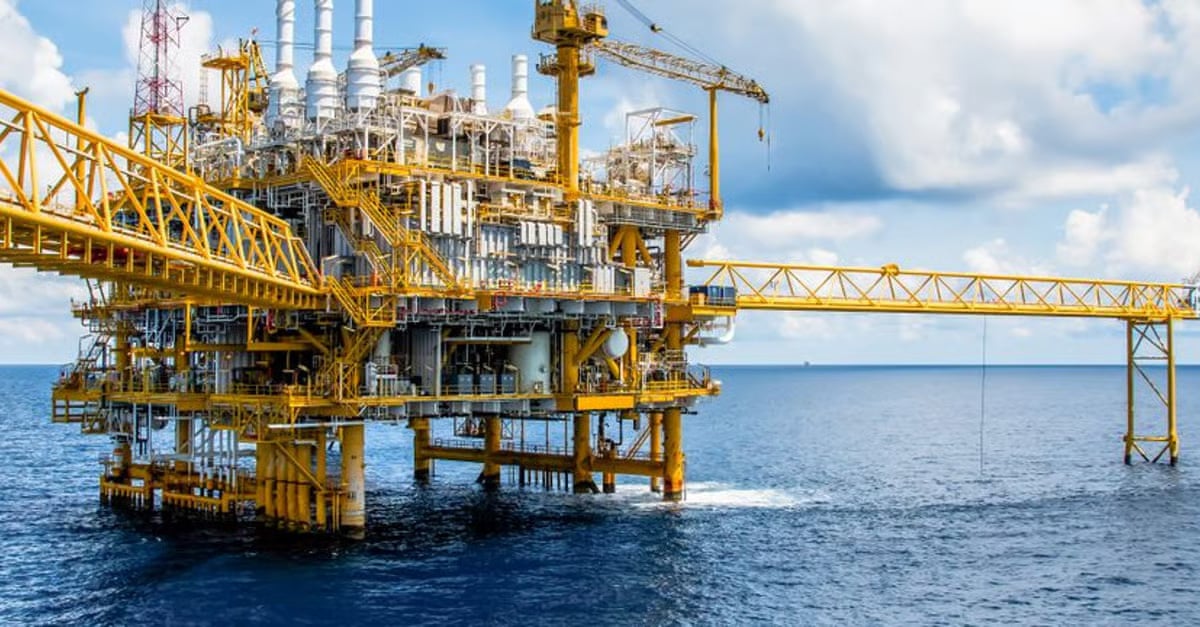
Jamaica is closer than ever to initiating oil drilling activities. Early tests conducted on seabed samples off the island’s southern coast earlier this year indicate the possible presence of crude oil beneath the surface.
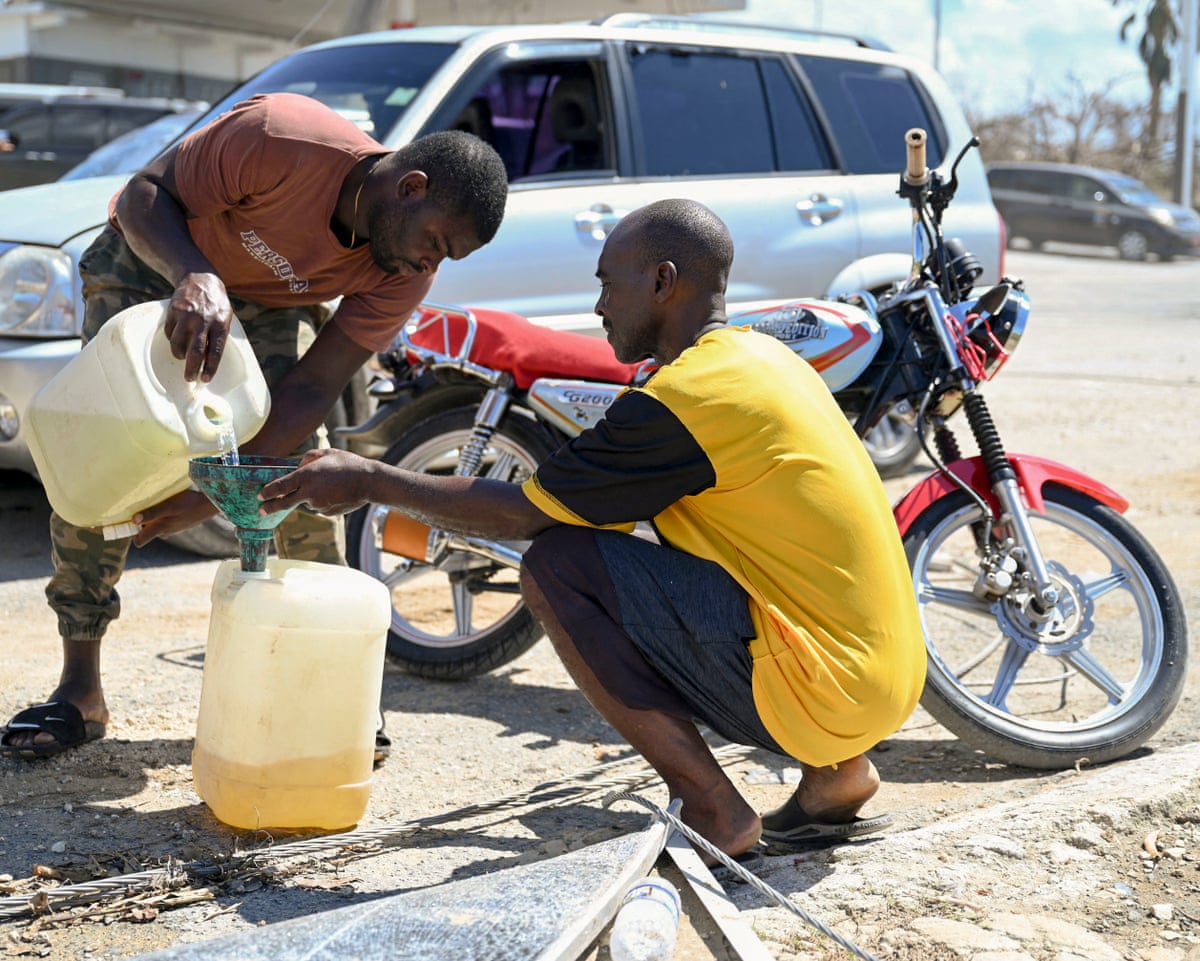
Currently, Jamaica imports all of its fuel, making it vulnerable to fluctuations in global oil prices. This dependency has consistently hindered an economy that generated approximately $15 billion in GDP.
United Oil & Gas, a UK-based company, holds an exclusive exploration licence for the Walton-Morant basin, a 22,400 square kilometre (8,650 square mile) area located off Jamaica’s southern coast. Although surface oil seeps have been documented repeatedly across the island, there has been no commercial oil production to date.
Government Response and Regional Context
The announcement of a potential oil discovery was met with cautious optimism by the Jamaican government. In March 2024, Daryl Vaz, the energy minister, described the results as “very positive.”
“They haven’t seen or touched the real deal, but [the results] are still important,” he said. “I am cautiously optimistic and praying very hard … because of what the impact of any discovery would be.”
If oil is confirmed within Jamaica’s territorial waters, the island would join Guyana and Suriname as the newest fossil fuel-producing countries in the region. Approximately half of the nations across Latin America and the Caribbean are engaged in efforts to discover oil, continuing a trend that began with discoveries in the Atlantic during the 2000s.
Exploration has persisted both onshore and offshore in countries such as Brazil and Trinidad and Tobago despite the ongoing climate crisis and the global push towards a green energy transition.
Economic and Environmental Challenges
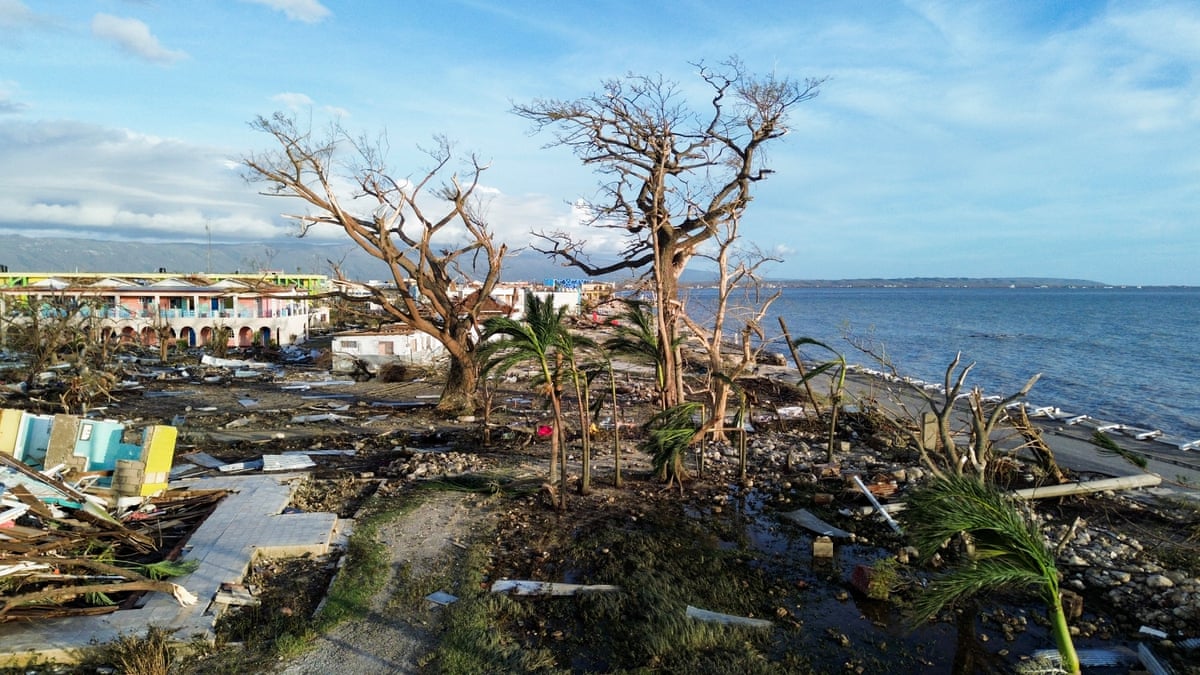
Jamaica is still recovering from the economic impacts of the Covid-19 pandemic and Hurricane Melissa, one of the most intense hurricanes to hit the island, which made landfall in October 2023. Additionally, the US-Israeli conflict involving Iran has contributed to economic pressures.
Radhika Bansal, vice-president of Latin American oil and gas research at Rystad Energy, an independent research company, advises caution regarding the significance of the discovery.
“Jamaica is closer than it ever has been to a drill decision. But it is still very early days,” she said. “Even with a positive outcome, it would not be expected to yield or result in volumes [of oil] until the mid-2030s.”
Theresa Rodriguez-Moodie, head of the Caribbean Climate Justice Network, expressed surprise that oil drilling is under consideration given Jamaica’s vulnerability to the climate crisis.
“We are living the climate crisis,” she said. “You drive through sections of western Jamaica and there is still devastation … We have a climate emergency and we’re happy to talk about fossil fuel exploration. This is a big contradiction.
“If we want to have any kind of moral high ground to stand up and even ask for assistance for [climate] loss and damage, and for adaptation and mitigation, we cannot be considering exploring and expanding the fossil fuel industry.”
Climate Commitments and Environmental Concerns
In 2017, Jamaica ratified the Paris Agreement, the international treaty on climate change adopted by 194 states and the European Union in 2015. In 2024, the government called on other states to negotiate a global phase-out of oil, gas, and coal, which have been responsible for 86% of emissions over the past decade. Last year, Jamaica committed to ambitious targets for conservation and reforestation.
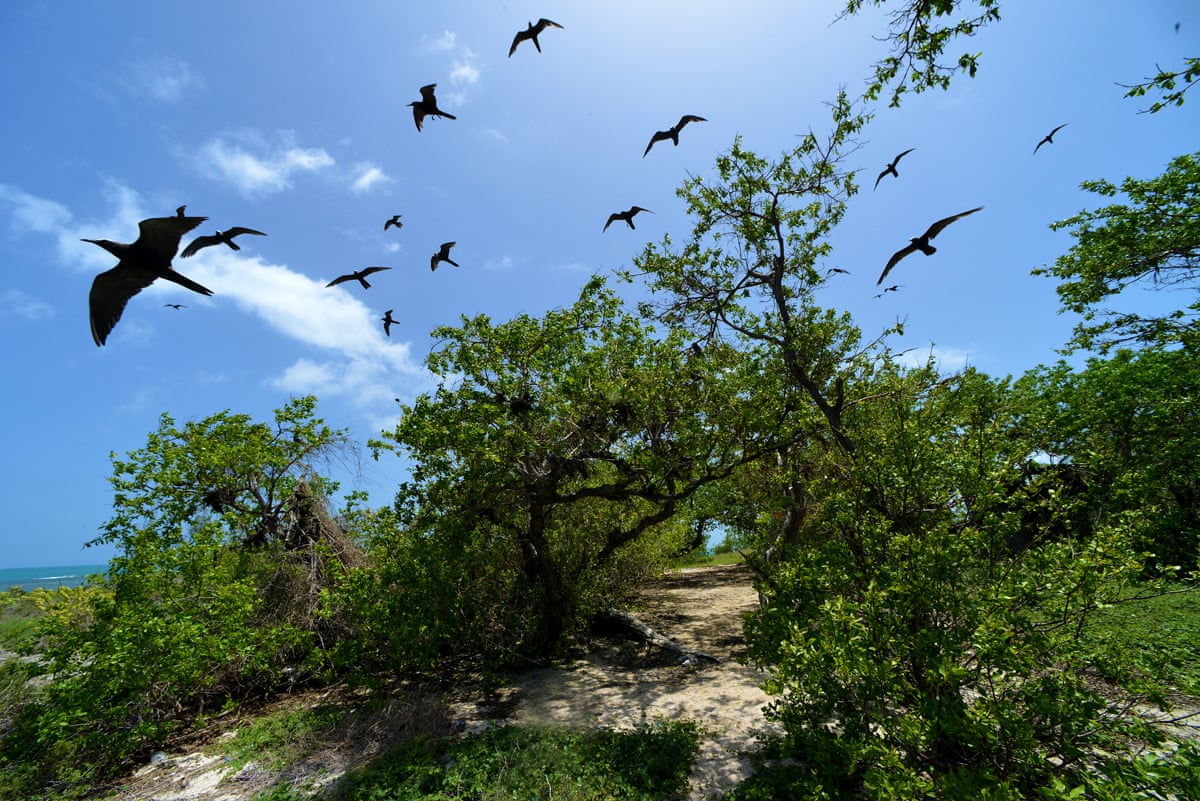
The Walton-Morant basin is located near some of Jamaica’s most productive fishing areas. Along the island’s south coast lies Portland Bight, a protected area encompassing mangroves, limestone forests, and coral reefs, while Black River hosts the largest wetlands in the English-speaking Caribbean. Environmental campaigners warn that an oil spill in these areas would have catastrophic consequences.
Legal and Community Engagement
Jamaica is also a signatory to the Escazú Agreement, an environmental treaty for Latin America and the Caribbean that guarantees everyone’s right to a healthy environment. Under this treaty, decisions such as fossil fuel exploration require transparent discussions with citizens, according to Nicole Leotaud, director of the Caribbean Environmental Justice Network.
“There is a lot of concern in the region that, while we have environmental impact assessment laws and regulations, there are implementation gaps,” Leotaud said. “The information released is complex and scientific, so local frontline communities who are most impacted can’t fully engage in discussions.
“Periods for consultation are very short and discussions are often not held in local communities,” she added.
Leotaud also noted the challenge Caribbean small island developing states face in balancing climate commitments with economic and energy security needs.
“The Caribbean small island developing states have been very vocal on the global stage, advocating for limiting warming to 1.5°C (2.7°F) above preindustrial levels in terms of transitioning away from fossil fuels.
“They have to balance that voice with the need for energy security and economic development. However, the tourism sector in the Caribbean is the largest economic sector, so you don’t want to do anything that would compromise that,” she said.
Economic Realities and Energy Transition
Courtney Lindsay, a Caribbean expert at ODI Global, an independent think tank, believes Jamaica cannot disregard the possibility of oil reserves.
“[Talking about the climate crisis] is a first-world problem,” he said. “We don’t have the luxury of saying, ‘We don’t want to contribute to this issue of climate change’ because we are talking about a bread-and-butter issue.”
While Jamaica has renewable energy sources such as solar, hydropower, and wind, these currently account for only about 12% of the island’s electricity generation. Jamaica has set an ambitious goal of generating 50% of its electricity from renewable sources by 2030, but achieving this will require significant investment.
Despite fiscal improvements, job creation, and reductions in crime, Lindsay emphasized that no Jamaican policymaker would consider foregoing potential oil revenue.
“We are still in a dire situation,” he said. “The social challenges came at a high cost. Education is in a shambles; healthcare is in a shambles. Welfare is pretty much nonexistent. There is still so much that needs to be done to lift Jamaica up to a higher standard of living.”


