Economic Impact of US-Israel Attacks and Iran's Retaliation
The economic consequences of the US-Israel missile strikes have escalated as Iran has initiated extensive economic warfare in response. If the conflict persists beyond another week, its effects will begin to permeate global markets, marking the third significant disruption since the pandemic, influencing sectors from energy prices to food supplies.
For the United Kingdom, this additional strain on living standards coincides with growing political instability, as both the Labour and Conservative parties confront critical challenges from their respective left and right factions.
Keir Starmer’s tentative reaction to the conflict underscores a deeper strategic dilemma for the UK: an economy structured over decades to thrive in a globalised world is ill-suited to a context where globalisation is unraveling.
The development of a tightly interconnected global economy has simultaneously created critical stress points—narrow geographic channels through which essential flows of manufactured goods, people, and raw materials must pass.
These critical chokepoints include the Malacca Strait, a major shipping channel; the Panama Canal, which narrows to just 91 metres at its tightest point; the Bab el-Mandeb Strait between Yemen and Eritrea, through which a significant portion of trade between Asia and Europe transits; and the Strait of Hormuz, a vital route for one-fifth of the world’s oil supply.
Whether blockages in these channels are accidental, natural, or intentional, their impact is uniformly disruptive. In 2024, drought conditions restricted the Panama Canal, while the Houthis blockaded Bab el-Mandeb, collectively contributing to a 0.6 percentage point reduction in global shipping efficiency, equivalent to about one day lost per year, as shipping companies rerouted to avoid both passages. The climate crisis acts as a force multiplier for asymmetric warfare: extreme weather events, such as Central America’s prolonged drought, amplify the disruptive potential of chokepoint closures elsewhere.
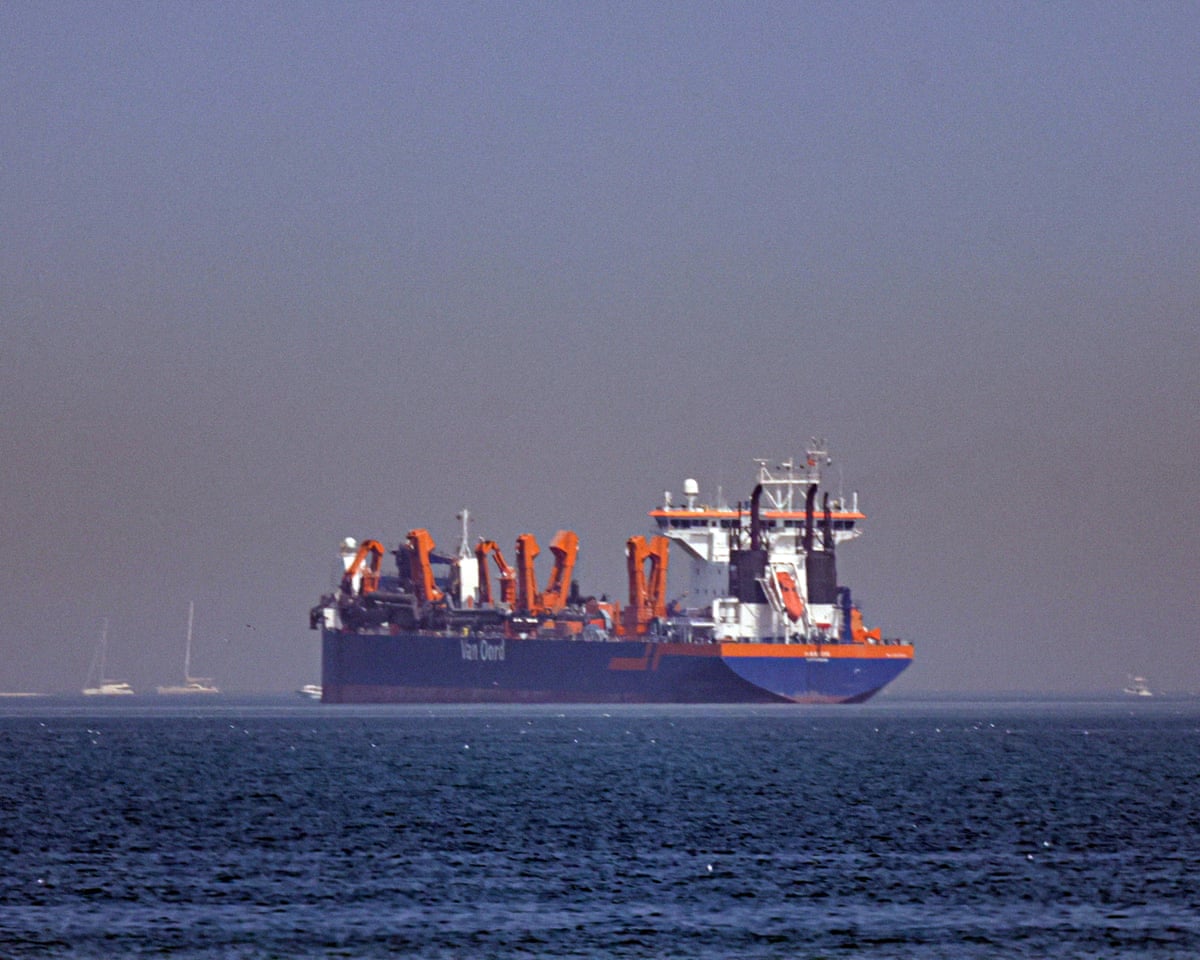
Currently, the Bab el-Mandeb and Hormuz straits, narrow passages flanking the Arabian Peninsula, are under significant threat. However, it is now the global financial system that exacerbates the military threat. Major insurers have decided to withdraw coverage for shipping across the Persian Gulf, effectively closing both straits to maritime traffic. The US government is urgently coordinating a response, including deploying naval escorts, though these measures may require weeks to implement.
Britain’s Unique Vulnerability to Global Supply Chain Disruptions
These shocks reverberate worldwide, but few developed nations are as exposed to chokepoint vulnerabilities and raw material pressures as the UK. In a detailed analysis, political economist Helen Thompson outlines how the UK’s embrace of globalisation—marked by the rise of the City of London and the deindustrialisation of northern England, Scotland, and Wales—has left the country uniquely susceptible to the pressures currently exploited by Iran.
The UK imports significantly more than it exports, making it collectively dependent on the global economy to sustain its standard of living.
This external dependency manifests in two primary ways. The first, less severe but increasingly scrutinised since the 2008 financial crisis, involves the UK’s reliance on borrowing and asset sales to finance its trade deficit. Because Britain has limited exports but a strong desire to import, it effectively borrows from the rest of the world to balance this gap.
Consequently, the UK depends on what Mark Carney, former Bank of England governor and Canadian prime minister, termed the “exorbitant privilege.” This means Britain can maintain its economic imbalance as long as the global community remains willing to finance it.
Over time, this has resulted in the UK accumulating exceptionally large debts, concentrated within its financial institutions. Bank of England data indicate that Britain owes approximately £6 trillion, a figure substantially higher than any other G7 nation. Should international investors withdraw their support, the UK could face rapid capital flight, a collapse in the pound’s value, and soaring interest rates.
In theory, this financial dependency is addressable since it hinges on agreements over financial instruments rather than physical goods. Advocates of modern monetary theory argue that the British government could issue currency or restructure its debt to mitigate this exposure, suggesting that monetary constraints do not ultimately limit economic activity.
However, this complex financial challenge is the easier aspect of Britain’s external dependency. The more intractable issue, which Thompson emphasizes, is the UK’s fundamental reliance on imported material resources to maintain essential services such as food supply, heating, and electricity.
Material Dependencies and Energy Vulnerabilities
This vulnerability became starkly evident following Russia’s invasion of Ukraine, which triggered a dramatic surge in Eurasian gas prices. The UK imports roughly 50% of its natural gas, used for electricity generation and heating, making this a critical point of exposure. The conflict in Eastern Europe swiftly translated into a significant deterioration in living standards as gas prices escalated.
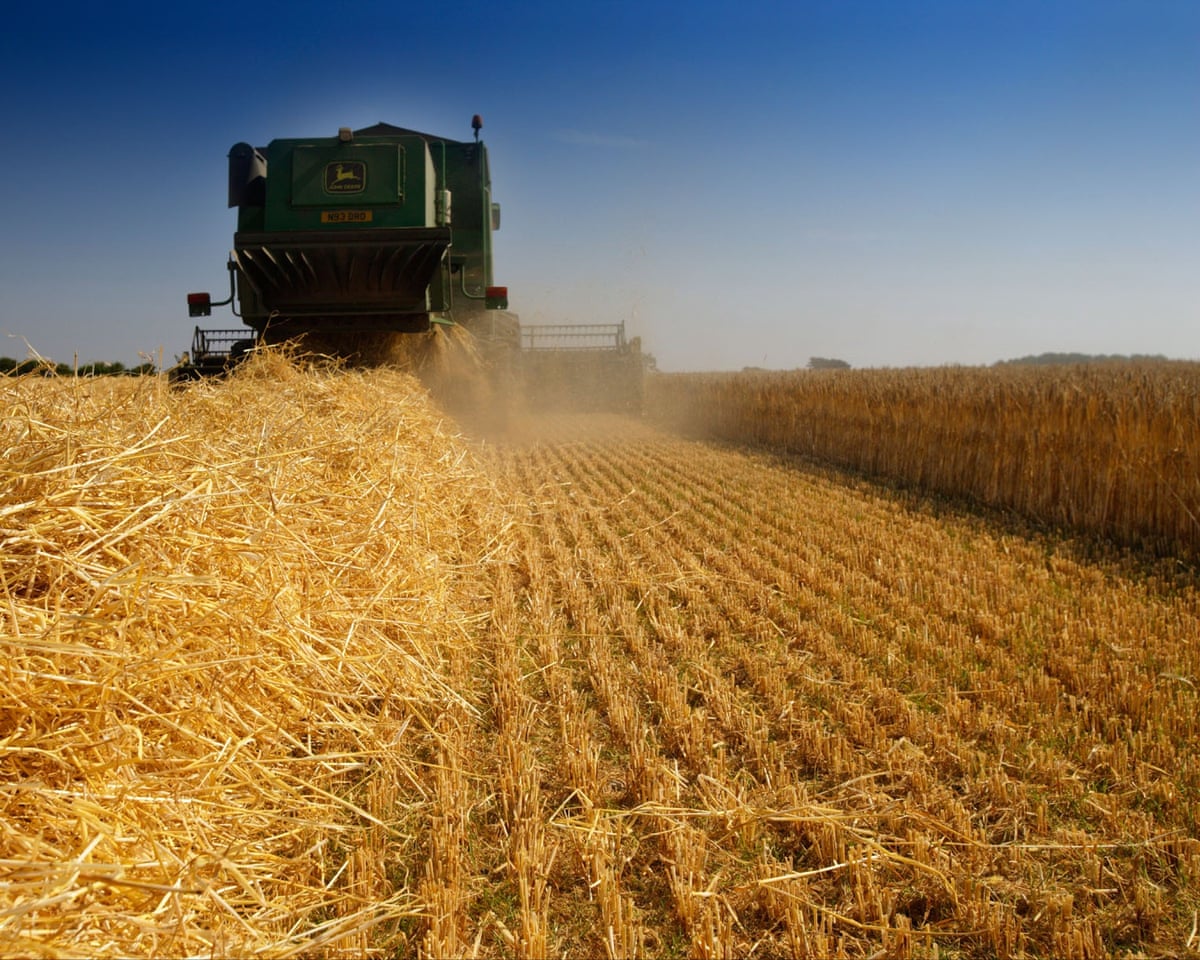
Additionally, the UK imports approximately 40% of its food consumption, a proportion that continues to rise, increasing susceptibility to global food market disruptions caused by extreme weather or geopolitical conflicts.
Moreover, since the UK relies almost entirely on imported artificial fertilisers required for its intensive agriculture, as well as on imported energy to power farming equipment and heat greenhouses, the actual dependency of the UK’s food system on imports is closer to 80%, according to Bank of England rate-setter Swati Dhingra. The Department for Environment, Food & Rural Affairs (Defra) highlighted in its January national security report the significant vulnerability of Britain’s food systems to climate change and biodiversity loss.
Currently, the UK is experiencing an early-stage shock similar to that seen in Ukraine. European spot prices for natural gas have increased by 40% in recent days; in the UK, where the market is tighter, the price surge is even more pronounced.
Households are temporarily shielded by the energy price cap introduced in 2019. However, the cap is due for revision, and the energy regulator Ofgem, which operates under statutory obligations to protect privatised profits, is expected to announce a substantial increase in domestic energy prices.
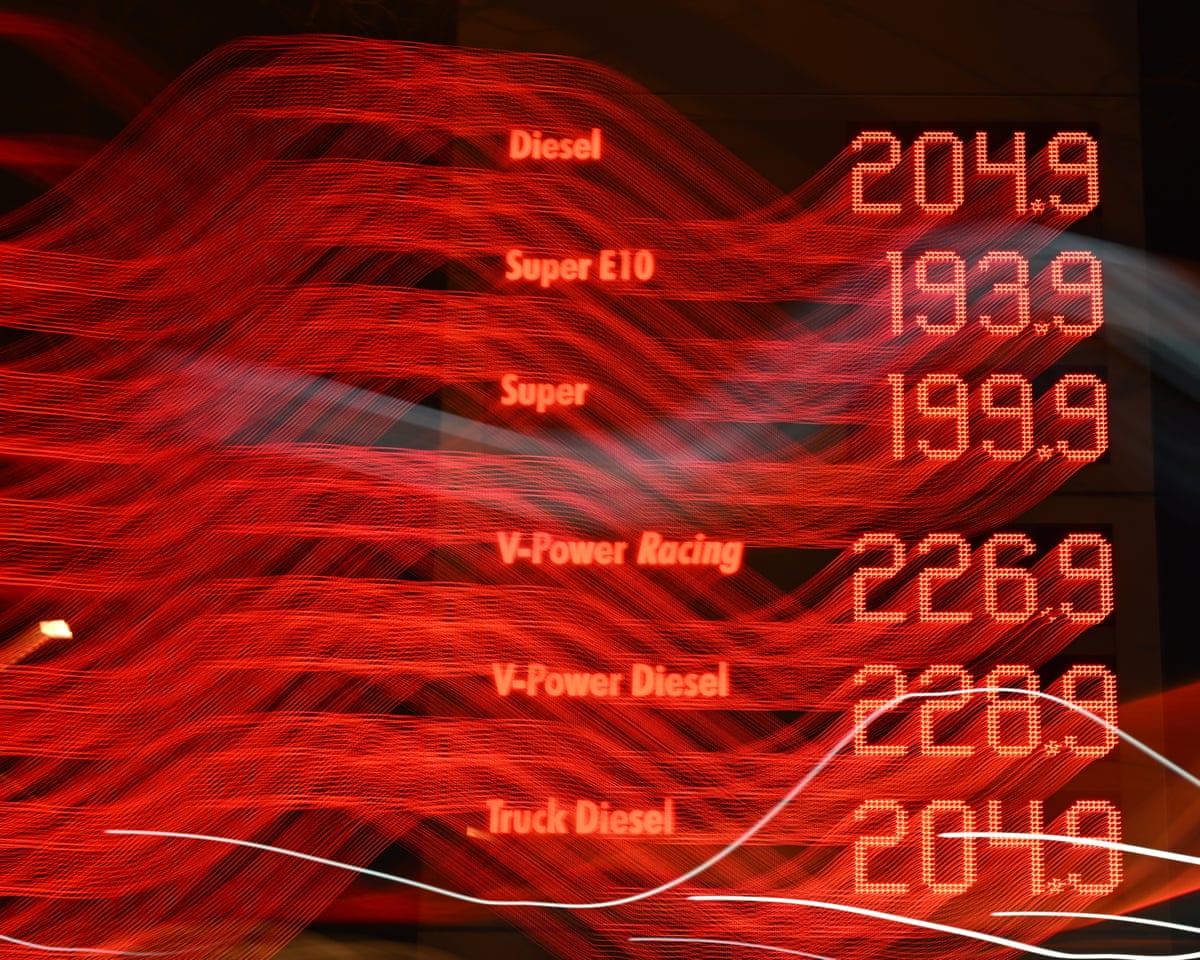
Meanwhile, approximately 20% of global oil shipments transit through the Bab el-Mandeb Strait, and prices for hydrocarbon-intensive fertilisers are likely to rise. Coupled with the risks of poor harvests, food prices in the UK may soon escalate.
Challenges in Addressing Material Dependencies
Unlike financial liabilities, these price increases reflect tangible imbalances in material resources and consumption, making them difficult to resolve. Over time, the UK could reduce its dependence on imported oil and gas, supporting arguments for a rapid transition to renewable energy, a position advocated by Energy Secretary Ed Miliband.
The UK could also facilitate a transformation of its food system to lessen import reliance. This might include adopting innovative farming techniques such as drone technology and vertical farming, as well as promoting increased home gardening and allotment use.
Paradoxically, climate change, despite its disruptive nature, may temporarily ease some aspects of this transition in the UK. For example, the warming of the North Sea has led to the first recorded spawning of certain fish species last summer, and populations of native oysters are increasing. As economic activity shifts northward, including trade, the UK’s deindustrialised northern towns and cities could experience revitalisation.
However, these changes require time and substantial investment, which is increasingly difficult to secure amid rising inflation and borrowing costs. The necessary “big push” must be accompanied by downward redistribution, initially through taxation reforms such as wealth taxes and systemic overhauls aimed at curbing profiteering and rent-seeking, and subsequently through adjustments to market prices.
Addressing market prices will involve dismantling outdated taboos on price regulation and caps. Any surge in energy prices should be met with controls that protect households while aligning with climate objectives, including taxing super-profits in the energy and defense sectors. Should food prices surge again, demands for government intervention will intensify.
Linking Environmental and Food Security Crises
This interconnectedness reveals a shared vulnerability between rural and urban areas: an evident environmental crisis in the countryside is linked to a silent food-price crisis in cities, both exposed to geopolitical shocks. The political response that can unite these issues will shape the future.