

Introduction to Jenny Lennick’s Niche
"I tell people, 'I make food-themed accessories' and boom – they get it,"says Jenny Lennick.
Based in San Francisco, Lennick is an artist and entrepreneur whose unique niche supports a flourishing retail business.
At 39 years old, she operates a small Californian accessories brand named Jenny Lemons, renowned for its quirky, colorful hair claw clips crafted from a plant-based alternative to traditional petroleum plastics.
She designs these products herself, selling them both directly through her website and wholesale to approximately 1,500 independent retail stores across the United States and internationally. All the hair clips feature food themes.
Whether you want to wear rainbow chard, a sardine tin, or a TV dinner in your hair, Lennick offers a clip for it, with the strawberry design being the company’s bestseller.
"They are small, affordable luxuries that add a little bit of flair and fun,"Lennick explains.
The hair clips have developed a dedicated following among customers.
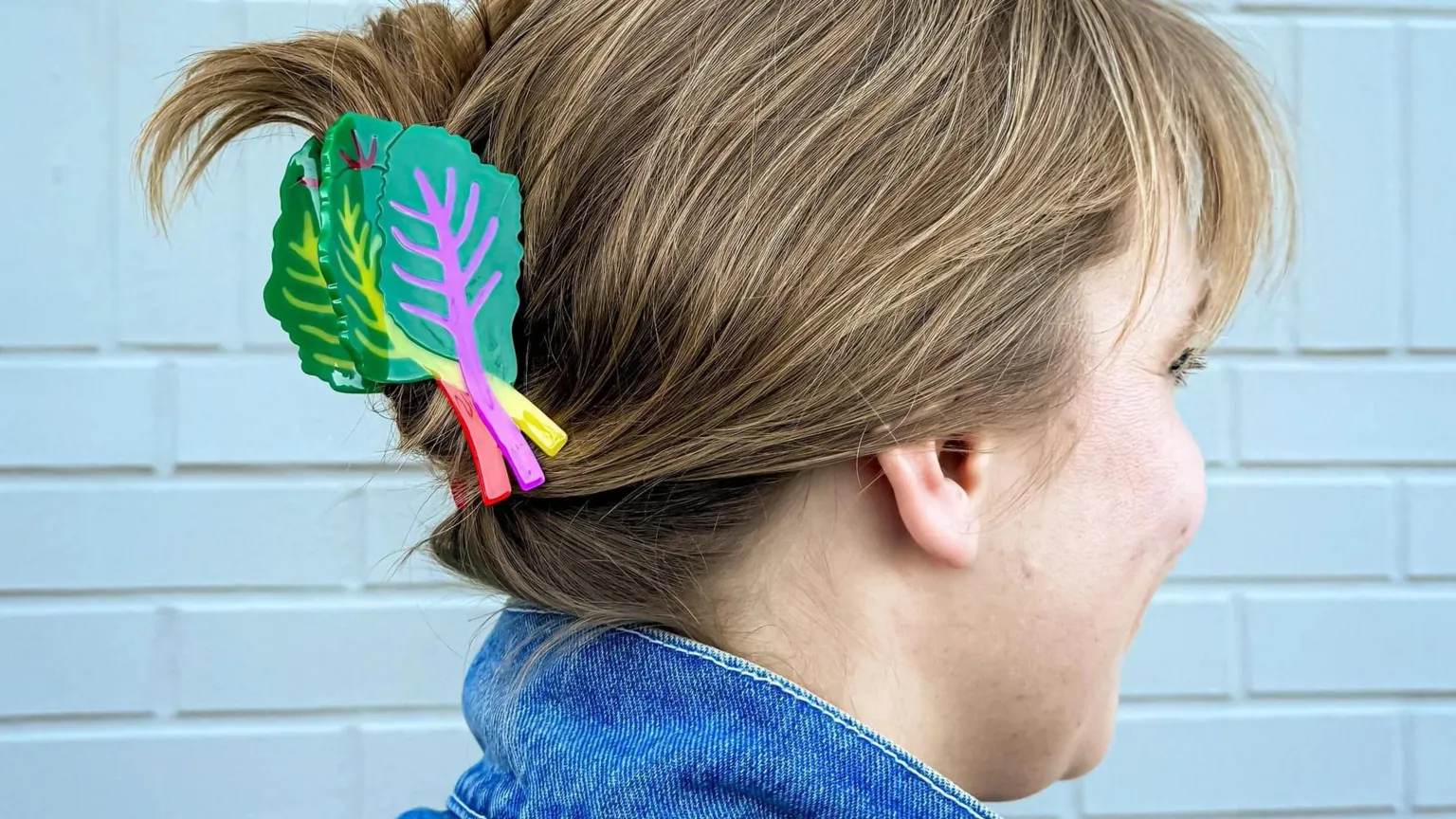
Origins and Evolution of Jenny Lemons
The company’s name derives from Lennick’s college DJ moniker. Initially, Jenny Lemons was not an accessories brand.
Originally from Minnesota and having spent over six years in art school, Lennick launched the business in 2015 as a food-themed, hand-printed clothing line based in San Francisco’s trendy Mission district.
She expanded the venture by opening a physical shop in the neighborhood in 2018, selling her clothing alongside products from other artists.
However, the store proved financially challenging—staffing costs were high, rent increased steadily, and foot traffic never fully recovered after the pandemic. Consequently, she closed the store at the end of 2023, carrying $90,000 (£66,000) in debt.
Pivot to Hair Accessories
The shift to hair accessories began the year before the store’s closure. While selling her clothing at a craft fair, Lennick met a hair claw vendor who provided a contact for a factory in China. She began producing her own food-themed hair clips, and online sales rapidly surpassed those of her clothing line.
"They [the hair clips] were keeping the store open,"she says, identifying them as the clear future of her business.
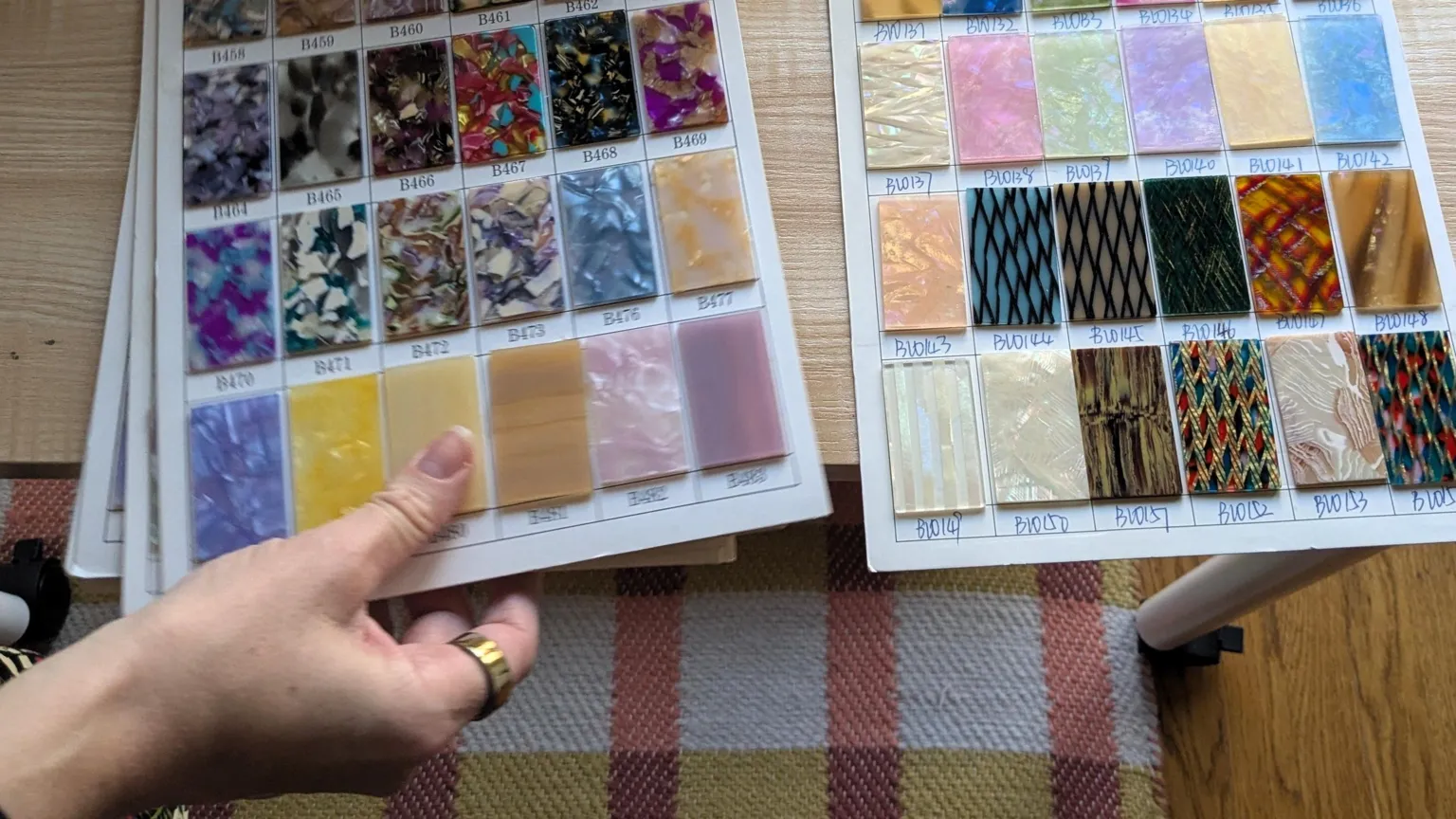
Today, Lennick’s studio is a room downstairs in her home located in one of San Francisco’s outer neighborhoods. She creates her clip designs on a tablet, selects colors from a sample library, and sends the designs to her long-standing Chinese factory to produce prototypes.
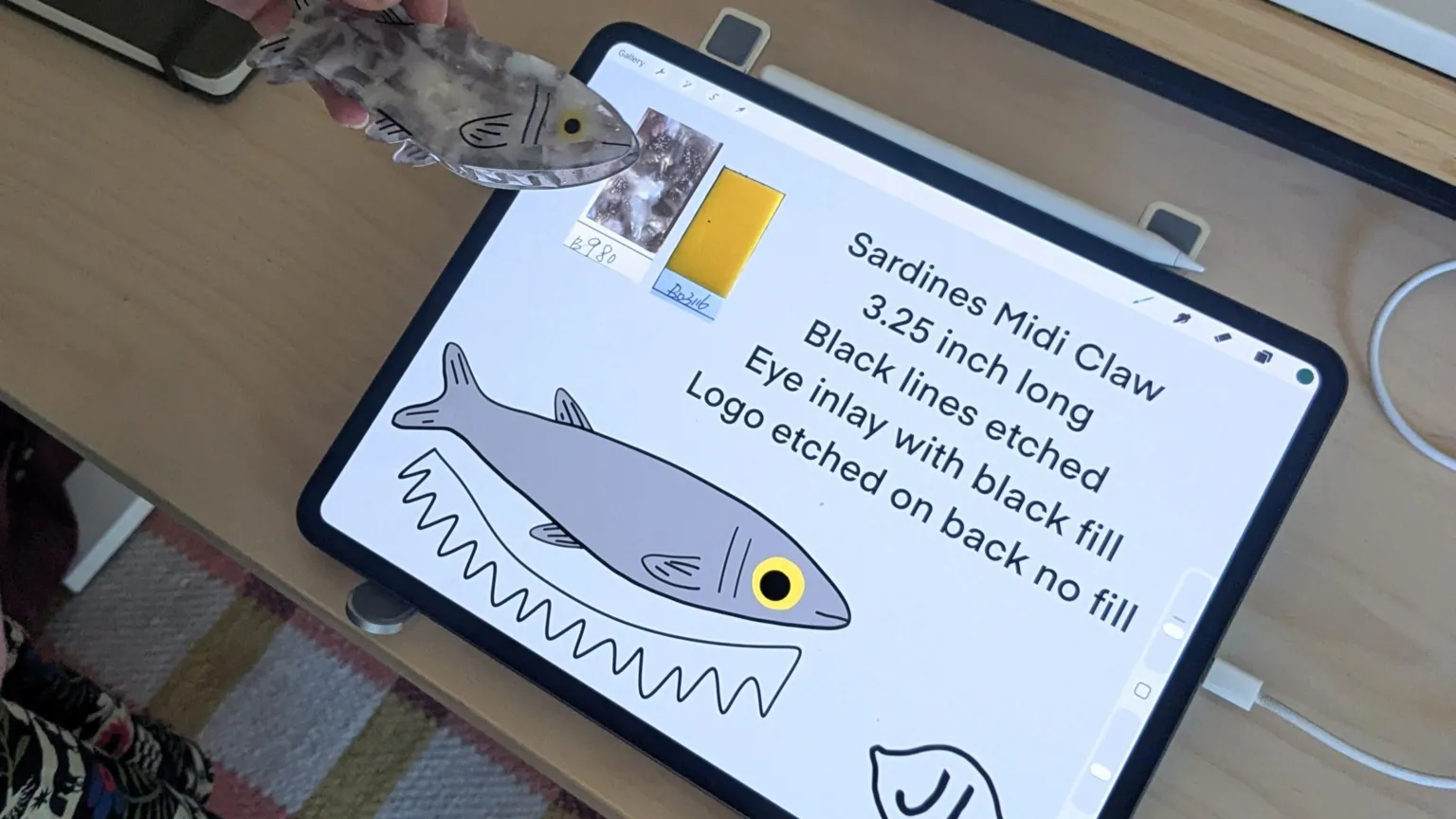
Her design style simplifies food to its essential elements, typically using no more than three colors to maintain wearability. She also monitors food trends—for example, the sardine tin claw clip reflects the current popularity of tinned fish.
Seasonal and festive designs are also added regularly, such as a pumpkin spice latte hair clip introduced last autumn.
Current Business Operations and Growth
Jenny Lemons now employs three full-time staff: Lennick herself, her husband as director of operations, and an operations manager. Additionally, contractors assist with inventory forecasting, social media, and other functions. Instagram plays a vital role in marketing.
The company’s revenue reached $2 million last year, up from $1.7 million in 2024, and Lennick confirms the business is profitable.
A recent shipment of 31,000 clips—the largest to date—crossed the Pacific to a fulfillment center in Missouri, which manages order distribution. Approximately 60% of sales come from wholesale, with the remainder from online direct sales.
A customer survey revealed most buyers are aged 25 to 45, with about 30% working in teaching or healthcare. Some customers use the clips to enhance medical uniforms.
Industry Context and Expert Perspectives
Food-inspired fashion trends have trickled down from luxury designers such as Dolce & Gabbana, who embraced the style in the late 2010s, according to Lorynn Divita, associate professor of apparel design and merchandising at Baylor University in Texas.
Divita notes that Jenny Lemons’ clips occupy a "sweet spot," offering consumers an accessible way to engage with this fashion trend at a giftable price point, with large hair claws retailing at $24 on the website.

She also praises Lennick’s strategic use of videos demonstrating how to wear and style the clips, as well as promoting their sustainable and ethical manufacturing in China.
"It appeals to the demographic that likes to show their values through purchases,"Divita adds.
Across the Atlantic, Beki Gowing, a lecturer in fashion entrepreneurship at the University of the Arts London, commends Lennick for building a "very strong business."
"She really understands her brand and it shows in how it's presented,"Gowing says.
Environmental Considerations and Challenges
However, Gowing expresses a desire for greater transparency regarding the company’s environmental claims.
The hair clips are made from cellulose acetate, a material derived from cellulose sourced from wood pulp or cotton. While it is more environmentally friendly than conventional plastic, cellulose acetate is still considered semi-synthetic plastic due to chemical modifications of the natural material.
"Cellulose acetate does have environmental benefits over conventional plastic, such as being biodegradable under certain conditions,"Lennick notes. She also states that the company is working to better highlight the labor standards under which the clips are produced.
Business Challenges and Market Pressures
Lennick’s business faces several challenges. She has been absorbing tariffs imposed by the Trump administration on Chinese goods rather than passing these costs onto customers, which squeezes profit margins and requires more strategic shipping and inventory management.
"It is a numbers game…if we raise up our prices, we're not going to be able to sell as many hair clips, which eats into our profit too,"Lennick explains.
Onshoring production is not a viable option, as she has not found a high-volume cellulose acetate factory in the United States, and domestic production would likely increase prices significantly.
Another issue is the presence of knockoff products made by Chinese companies. While competitors may produce food-themed hair clips, copying Lennick’s patented specific designs is illegal.
After her mother spotted apparent replicas in a Minnesota department store chain, Lennick initiated legal action. She has already settled one case for $45,000 against another large retailer.
She employs someone to monitor online platforms and issue cease-and-desist letters.
"We play whack-a-mole as much as we can,"she says.
Market Trends and Product Diversification
Fashion trends can be fleeting. Each year, Lennick feels relief when hair claws remain popular.
She recognizes the need to diversify beyond novelty clips for long-term survival, which has led her to introduce other food-themed items such as hats, socks, and earrings. However, she rules out returning to clothing due to sizing complexities.
Lennick is cautious about straying from the food theme, as other artist-led hair clip brands focus on themes like cute animals or checkerboard patterns.
"The name we've carved out for ourselves is the funky food ones,"she states.
Future Plans and Business Outlook
Lennick aims to increase revenues by 30% this year, a target considered ambitious by Divita. The company is currently in discussions with a national home-goods chain about stocking its clips, having previously been featured in chains such as Urban Outfitters.
Wholesale agreements often come with strict requirements and demand significant discounts, which can be challenging for small businesses, Lennick notes, but the potential for broader reach is appealing.
Additionally, brand collaborations—where Jenny Lemons creates special-edition hair clips for other companies’ promotional campaigns—are an expanding area of business.
Reopening a physical store is not planned in the near future.
Reflection on Success
Reflecting on her achievements, Lennick acknowledges the hard work involved. The only financial assistance she has received has been through bank loans.
While she admits that commercializing her art may have meant "selling out" to some extent, she appreciates that the business supports her family and allows her to remain creative.
"And that is fine,"she concludes.


