

Businesses Face Challenges Amid Glasgow Union Street Fire Cordon
Business owners in Glasgow report severe difficulties as a cordon established following a fire near Central Station has drastically reduced pedestrian traffic.
The significant fire, which affected a B-listed Victorian building, originated in a vape shop on Union Street on 8 March.
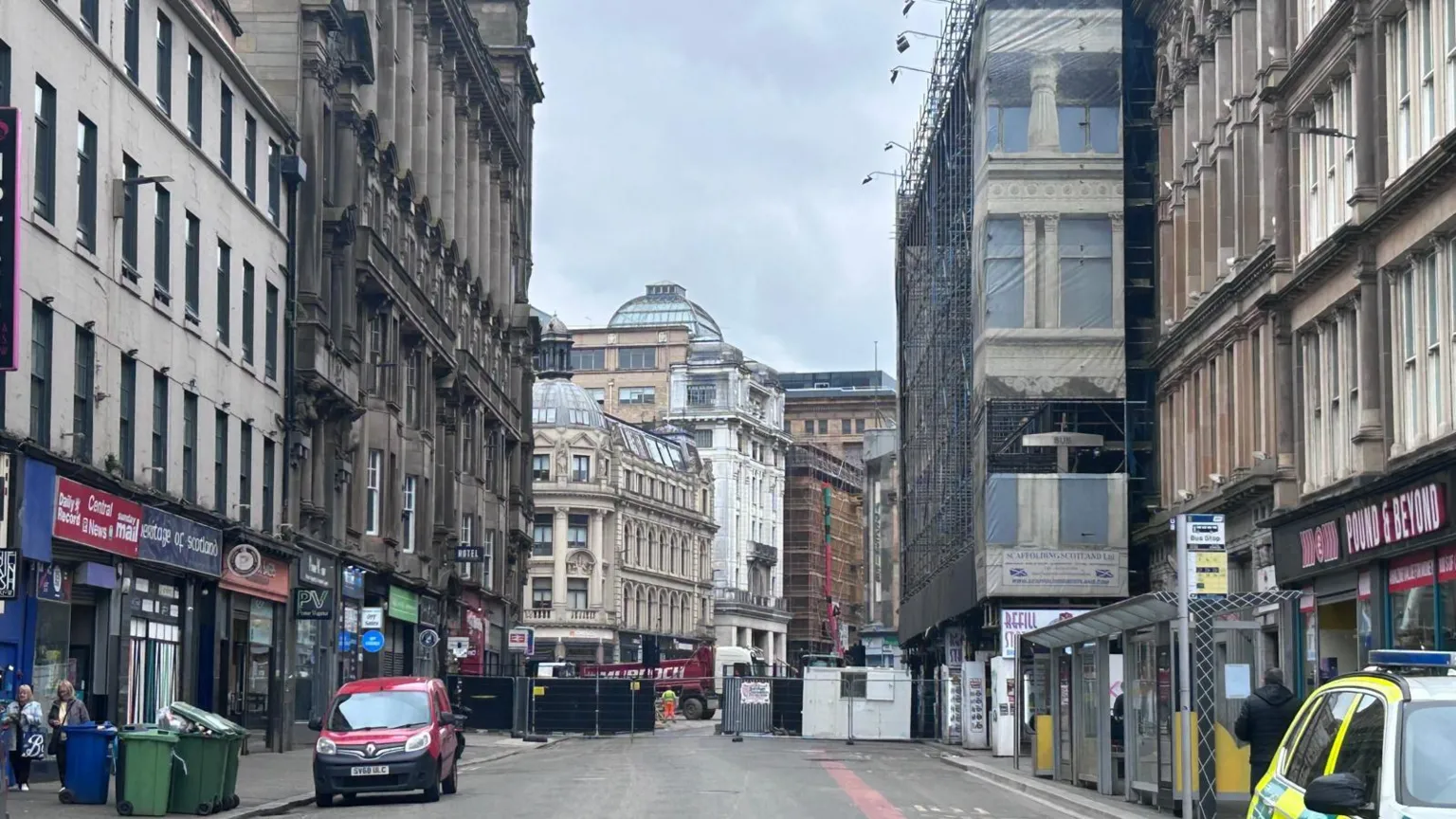
In its most recent statement, Glasgow City Council, responsible for the building's demolition, confirmed that the cordon on Union Street and Gordon Street will remain until July.
Sebastian Bacewicz, co-owner of the Portuguese bakery Pastéis Lisboa located just outside the cordon on Gordon Street, expressed concern over ongoing financial losses nearly two months after the incident.
"We rely on footfall and customers returning to the shop, which is one of the reasons why we picked that location,"Bacewicz said.
"Gordon Street used to be one of the busiest streets in the city centre because of the through traffic from Glasgow Central Station."
Since the fire, Pastéis Lisboa has experienced a complete loss of passing trade from Scotland's busiest railway station.
The cordon, while slightly eased since the fire, continues to prevent some businesses in undamaged buildings from reopening, including two supermarkets and a travel agent. It also forces pedestrians to take alternative routes between Glasgow Central Station and the main shopping area on Buchanan Street.
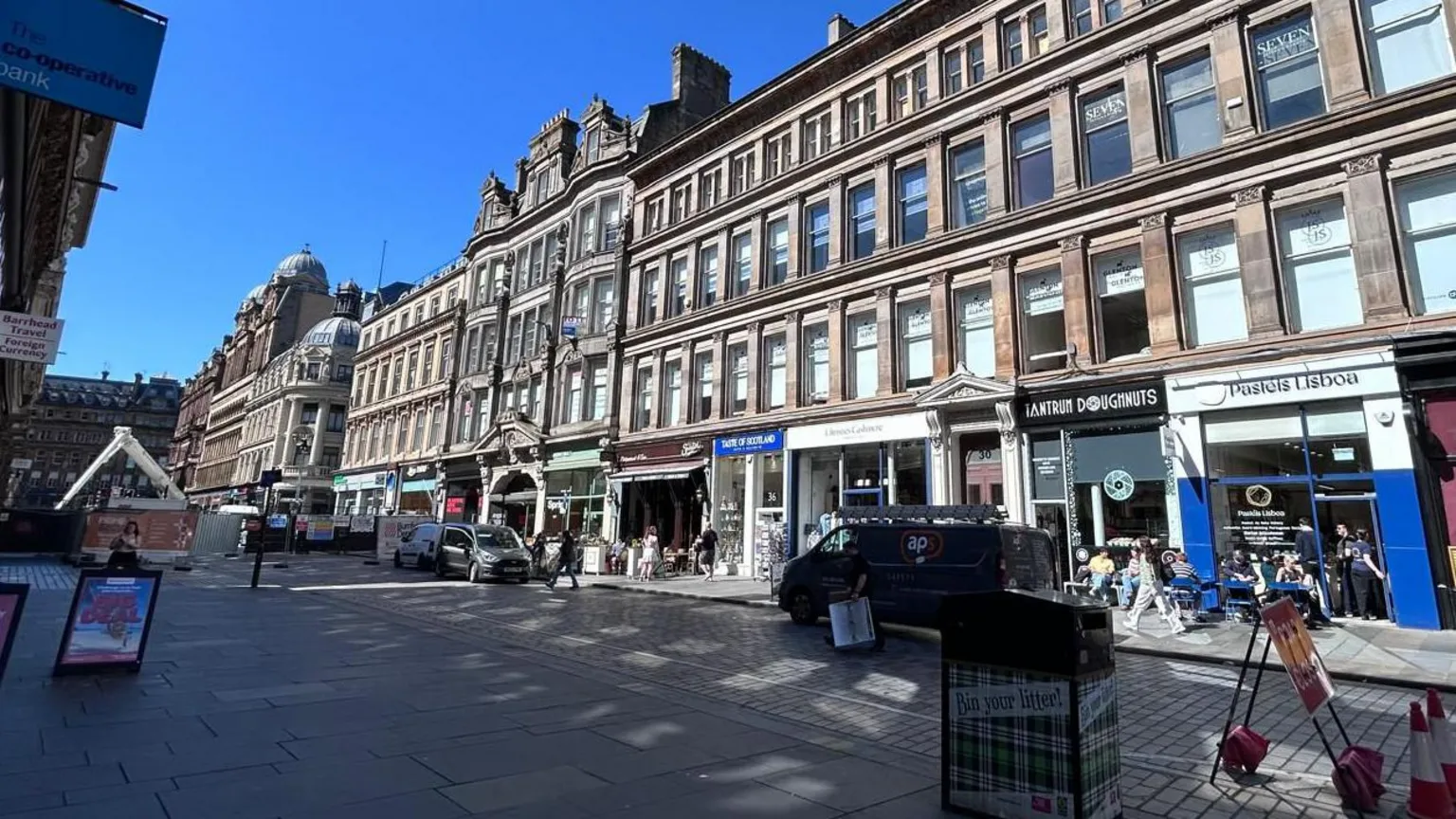
Pastéis Lisboa opened its second Glasgow location on Gordon Street in December.
Glasgow Chamber of Commerce reported that footfall statistics for March declined by 11% compared to the same month in 2025, attributing the decrease to the fire and the temporary closure of Central Station.
Bacewicz detailed the financial impact on his business.
"We lost almost 40% of our turnover overnight,"he told BBC Scotland News.
"The shop was only closed for four days but since we have reopened, footfall has fallen off the cliff and we're losing money every week."
He warned that if the cordon remains, the business will face significant challenges and may need to implement "drastic changes."
Impact on Union Street Businesses and Commuter Routes
Union Street, typically a major bus route, has also seen a decline in activity, affecting local businesses.
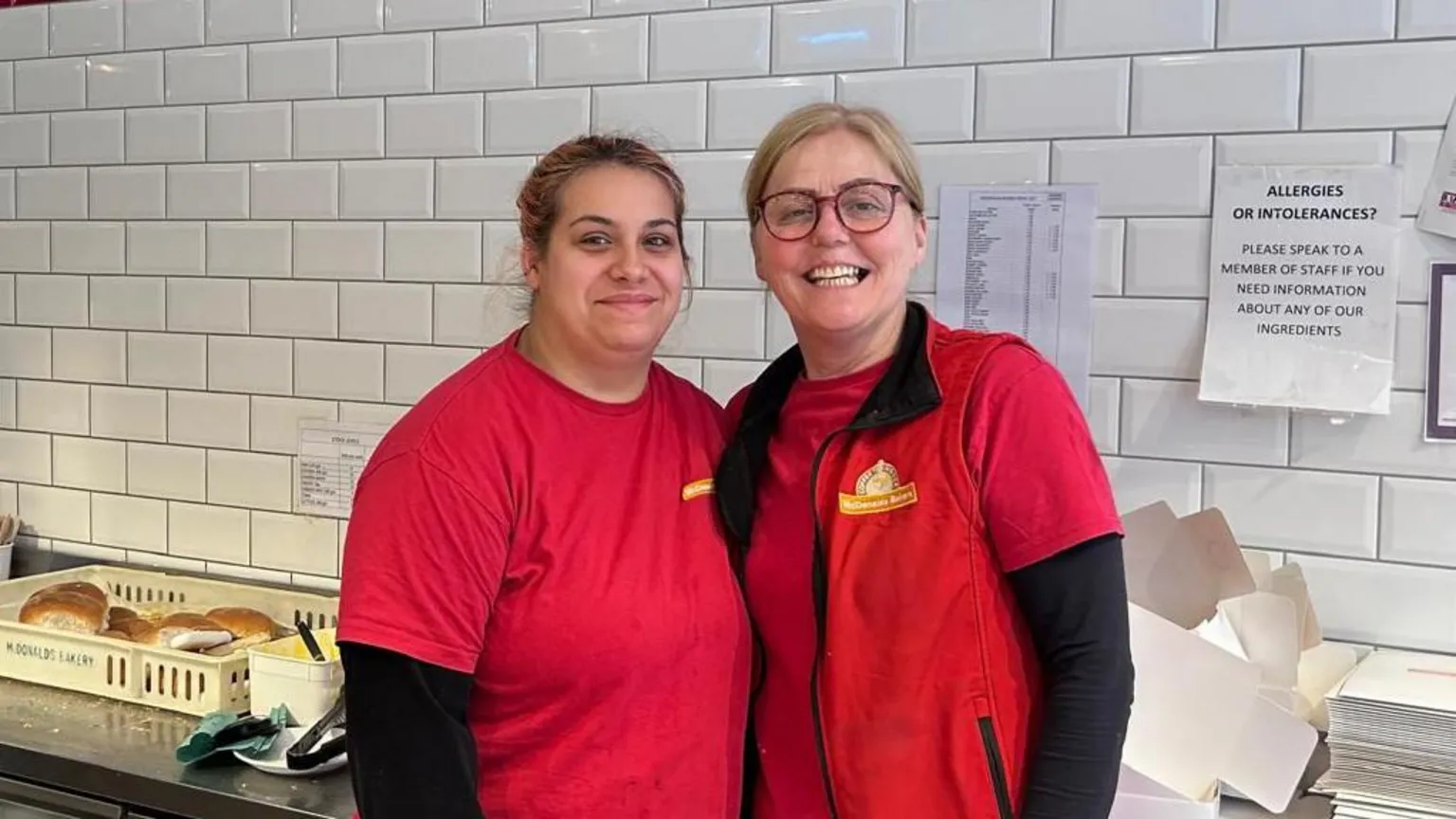
Margaret Boyd, supervisor at McDonald's Bakers, which operates multiple locations across the city, described the situation as dire.
"It is really bad, we're usually really busy,"Boyd said.
Her shop, situated next to the side entrance of Central Station and reliant on commuter traffic, has had to reduce operating hours, closing early on weekdays and entirely on Sundays.
The main entrances to Central Station on Gordon Street and Union Street remain closed within the exclusion zone.

"We usually make about 300 rolls a day and now we are only making up 60,"Boyd explained.
"There are normally five of us on shift but just now there are only three."
Concerns from Independent Businesses
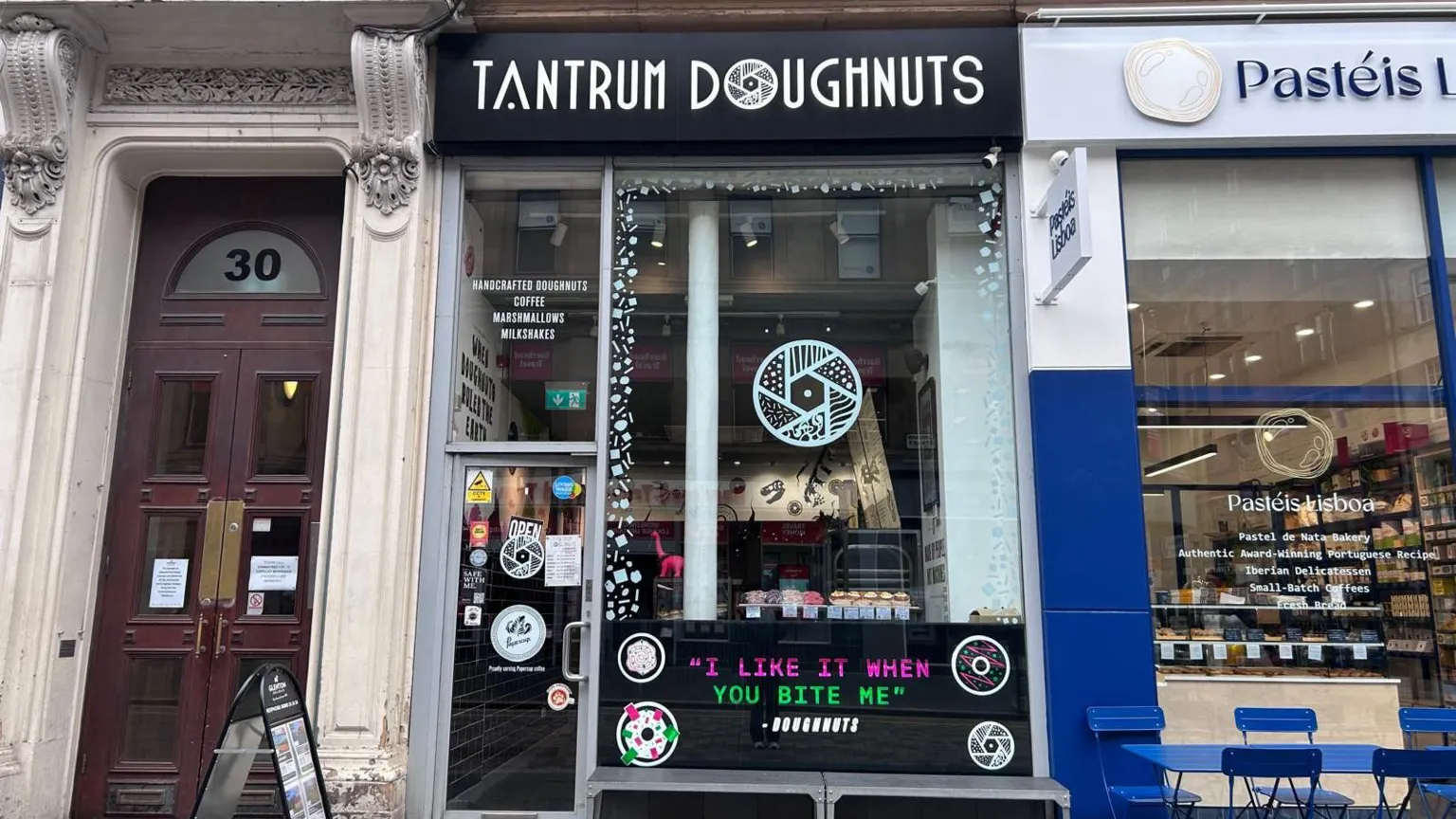
Next to Pastéis Lisboa, Iain Baillie, co-owner of Tantrum Doughnuts, expressed worry about the ongoing situation.
"Right now it is all about survival,"Baillie said.
"Us small independent businesses are paying very high rents and rates to get a premium position in the city centre and I feel we have been completely overlooked and left to manage alone.
"We've been lucky our Gordon Street shop has always done well but it has been extremely demotivating and demoralising to hear the street won't reopen until July."
Council Response and Support Measures
A Glasgow City Council spokesperson stated that work is expected to be completed by July, with a pathway around the cordon reopening earlier.
"Our business advisers continue to be available to speak to businesses affected by the Union Street fire.
"This service has been widely promoted and the team has been dealing with a high volume of inquiries from affected businesses."
He added that the cordon remains necessary to ensure public safety and to provide a secure environment for specialist demolition contractors.
Businesses within the initial cordon were eligible to receive £2,000 from the council-administered Fire Recovery Fund.
However, shortly after receiving this grant, both Bacewicz and Baillie discovered their business rates had increased by approximately 20%, equating to about £2,700 and £1,800 respectively.
Non-domestic rates, set by the Scottish government and collected by local authorities, contribute to funding council services.
Bacewicz described the rate increase as the "final straw" amid an already challenging situation.
"I asked the council for support and more information about timelines but did not receive anything back.
"We are a self-sufficient business but the cordon is just killing us," he added.
A council spokesperson noted:
"Work is currently underway to finalise a programme of non-domestic rates hardship relief for businesses affected by the fire, which will also focus on the retail, hospitality and leisure sectors."
The council further stated that the Fire Recovery Fund has distributed £1.6 million in financial support to businesses, particularly those reliant on direct customer interaction.


