

Impact of Iran Conflict on Global Food Supplies
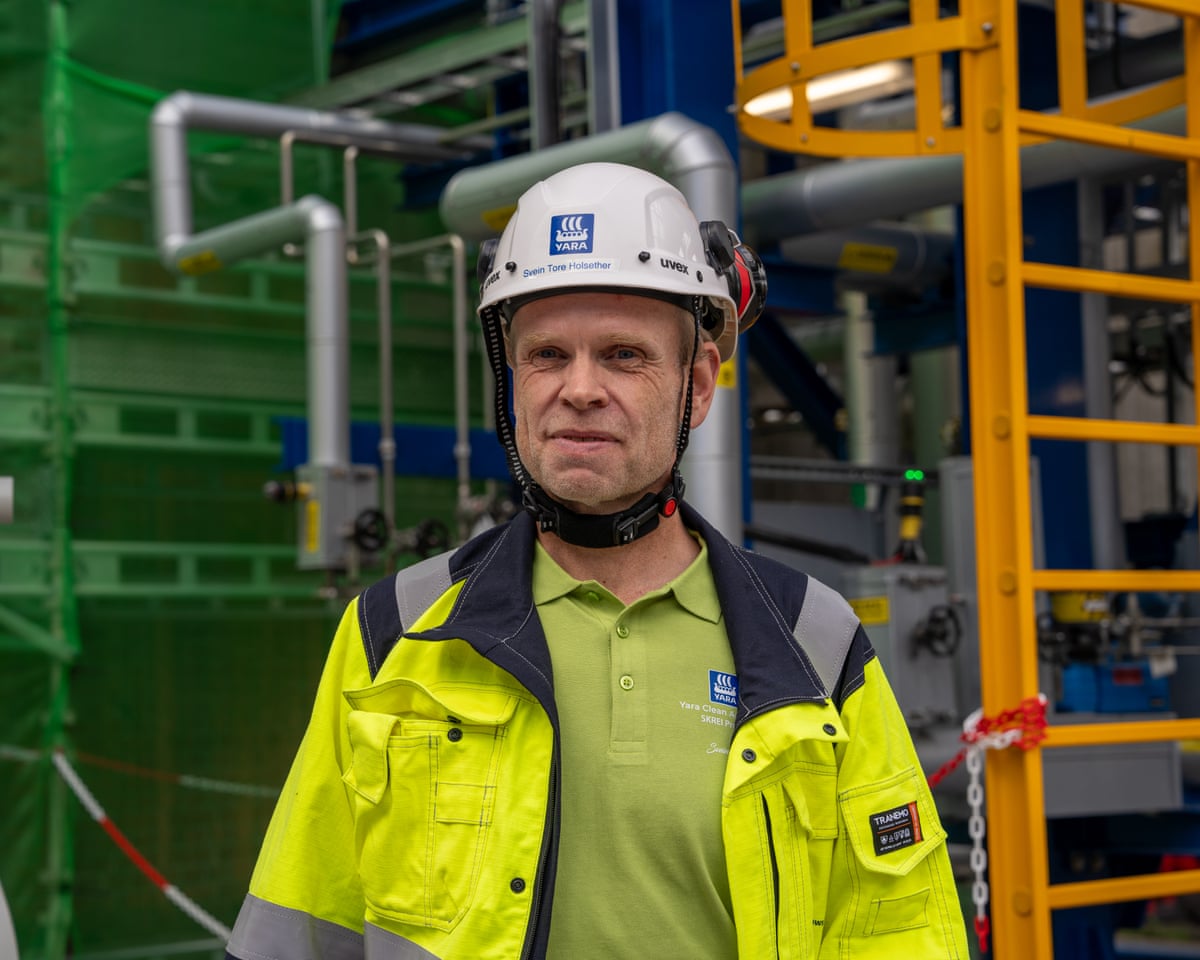
Svein Tore Holsether, chief executive of Yara International, one of the world’s largest fertiliser companies, has warned that global food supplies could face severe disruption this year if the conflict involving Iran becomes prolonged.
Holsether urged global leaders to carefully consider the consequences of rising food prices on the world’s poorest nations, emphasizing the urgency of the situation.
“Given the importance of fertiliser, this is something that can seriously impact crop yields if the war continues for an extended period.
“This is a regional conflict with global implications and it goes straight into the food system.”
Approximately two weeks ago, the Strait of Hormuz was attacked, a critical passage through which about one-third of the world’s urea and roughly one-quarter of globally traded ammonia—both essential components in fertiliser—are transported from the Gulf region.
Since the attack, urea prices have surged by about $210 per tonne, increasing from $487 per tonne prior to the incident to $700 per tonne currently.
Holsether highlighted the potential consequences of a prolonged closure of the Strait of Hormuz.
“If the Strait of Hormuz was closed for a year it would be catastrophic. We are talking nutrition for plants, and if they don’t get the nutrition, then you will see significant reductions in the farm yield.”
“For some crops, if they don’t get the fertiliser, you can see a reduction of up to 50% in the first harvest,”
he added, citing European summer crops such as early potatoes as examples.
Founded in Norway in 1905 with the mission to combat European famine, Yara International is the world’s leading producer of nitrogen-based mineral fertilisers. The company operates production plants in the Netherlands, France, Germany, as well as in India and South America.

Challenges Facing the Fertiliser Industry
Holsether described a "double impact" affecting the fertiliser industry: the disruption of raw material supplies from the Gulf and soaring gas prices, which are critical for extracting nitrogen from the air during fertiliser production.
He noted that production in Qatar and Iran has declined as a direct consequence of the ongoing conflict, while gas prices have surged dramatically.
“When gas prices increase as much as they do now, it goes straight to the cost of producing fertiliser for all,”Holsether explained.
He also expressed concern about the disparity in purchasing power between Europe and poorer countries.
“Europe would always be able to outbid poorer countries, raising concerns about neighbours in Africa and beyond. The countries that are most vulnerable still pay the highest price.
“In a global auction for fertiliser, Europe will have a stronger buying power than poorer parts of the world, we need to keep in mind the magnitude of this before it is too late,”
he added.
Global Food Security Concerns
The United Nations World Food Programme has warned that rising food and fuel prices, exacerbated by the escalation of the Middle East conflict, could have widespread effects, worsening hunger for vulnerable populations both regionally and globally.


