Introduction to the Ferrari Luce and Its Controversy
The Ferrari Luce, designed by renowned iPhone designer Sir Jony Ive, represents a significant departure from the Italian carmaker's traditional offerings. This new electric vehicle (EV) is unlike anything Ferrari has produced before, and it has sparked considerable backlash.
The launch event was notable, with Italian President Sergio Mattarella and Pope Leo invited to witness Ferrari's first electric vehicle. Despite this high-profile unveiling, the Luce, which means "light" in Italian, has faced criticism from internet users, investors, and politicians alike.
Following the unveiling, Ferrari's shares dropped by 8%, as the car became the subject of numerous memes mocking its $640,000 (£475,625) price tag and its status as Ferrari's first five-seater model.
Industry Context and Ferrari's Shift to Electric
The global automotive industry is currently navigating significant challenges, including intense competition from Chinese car manufacturers. Ferrari's introduction of an EV marks a major shift for a brand historically known for its sleek, petrol-powered supercars with distinctive roaring engines.
For years, Ferrari resisted transitioning to electric powertrains, even as many competitors embraced the change. The Luce boasts impressive performance metrics, accelerating from 0-60 mph (96 km/h) in approximately 2.5 seconds and reaching a top speed exceeding 190 mph.
Design Criticism and Public Reaction
Despite its performance, the Luce's design has been the focal point of much criticism. Former Ferrari chairman Luca Cordero di Montezemolo expressed concern, stating that the Luce is "risking the destruction of a legend" and suggested the company should remove its iconic badge from the vehicle.
Australia-based high-end car dealer and collector Shaun Baker referred to the Luce—pronounced "loo-chay"—as the "Loser."
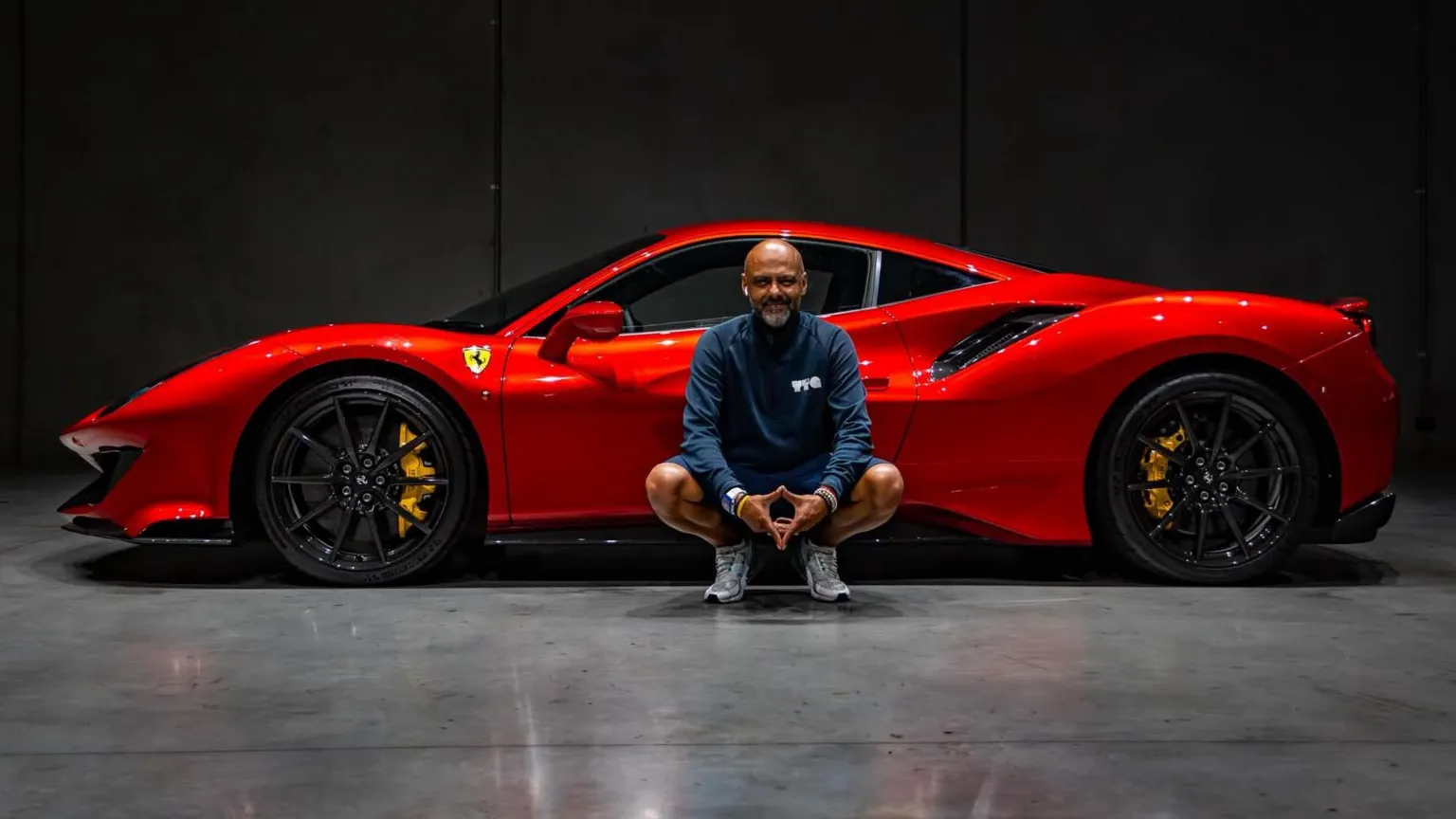
"Ferrari was the aspirational brand to own. But with the Luce, they've hurt their image," Baker said.
The Luce lacks the low-slung profile typical of Ferrari models and, being electric, does not produce the brand's signature engine noise.
Italy's deputy prime minister and transport minister Matteo Salvini commented, "This is supposed to be innovation? I wonder what Enzo Ferrari would say." He added, "The Luce looks like anything but a car from the prancing horse."
While some internet users praised the car as a "masterclass" in design, many others were highly critical. Comments ranged from calling it an "abomination" to suggesting, "Enzo Ferrari will rise from his grave and take control of the company again."
Comparisons were drawn between the Luce and more affordable EVs like the Nissan Leaf and various Chinese models, prompting Ferrari's CEO Benedetto Vigna to respond swiftly to such critiques.
Additionally, some social media users posted AI-generated redesigns of the Luce, giving it a sportier appearance.
"They were made in 10 seconds and still look better than what Ferrari has come up with," said Baker, who has owned more than 50 Ferrari cars.
Leadership and Previous Controversies
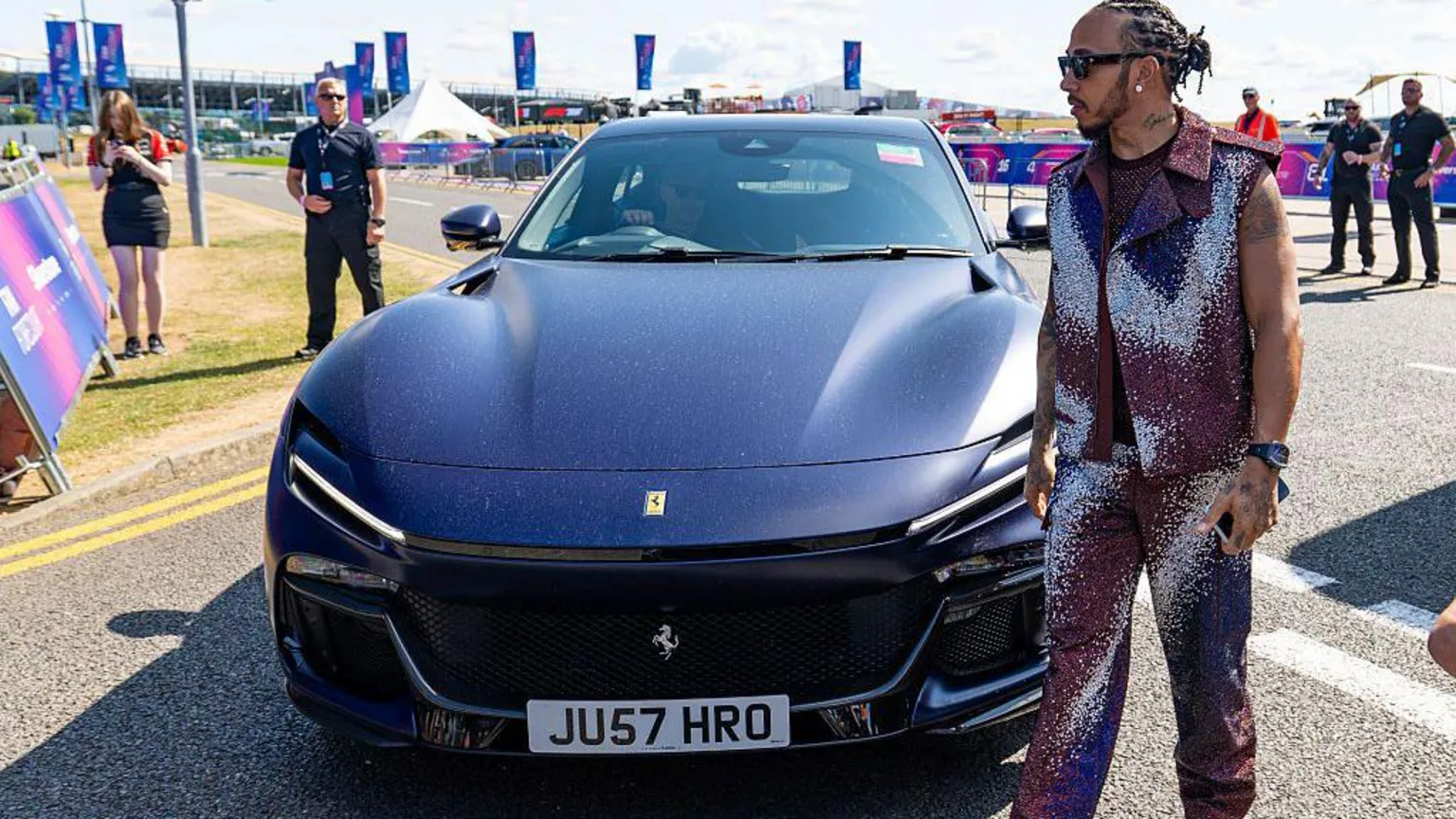
Benedetto Vigna, who has led Ferrari for five years, is no stranger to controversy. The launch of the Purosangue, Ferrari's first sports utility vehicle (SUV), in 2022 also divided opinion.
Critics argued that the four-door SUV would damage Ferrari's image as an exclusive supercar brand. However, the Purosangue sold well and enabled Ferrari to enter a new market segment.
Comparisons with Other Automakers' EV Strategies
Ferrari is not alone in facing backlash over its electric vehicle initiatives. In 2024, Jaguar announced plans to become a high-end EV brand and unveiled the Type 00 concept car, which diverged significantly from the British luxury automaker's traditional designs.
The Jaguar Type 00's ultra-long bonnet and chunky wheels sparked debate among enthusiasts and critics.
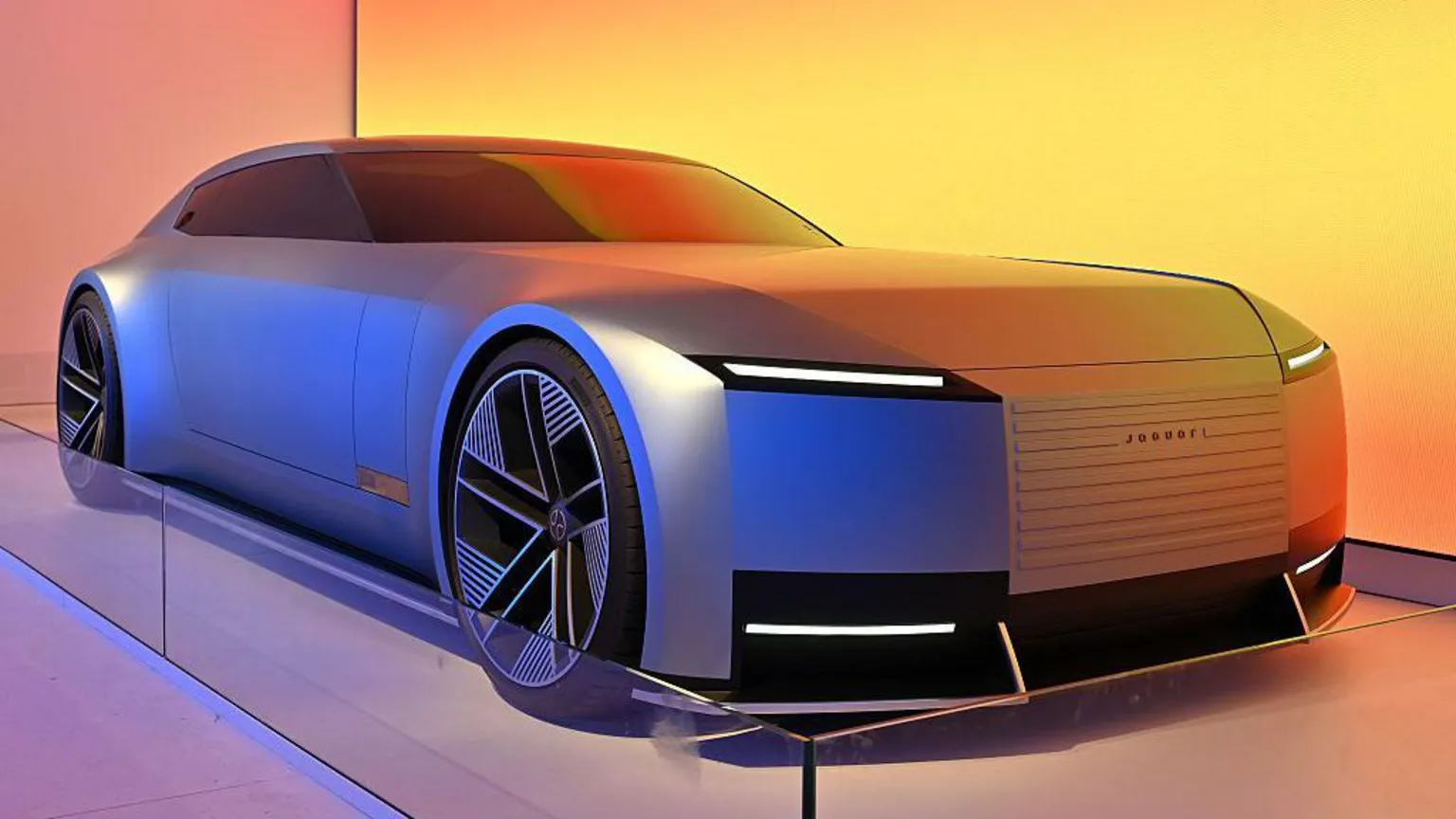
Jaguar's CEO Rawdon Glover stated, "Jaguar needs to be bold and disruptive in order to cut through and get our message across."
Similarly, Ferrari is now confronting accusations of losing its identity with the Luce.
Singapore car analyst James Wong praised the Luce's interior design but remarked that the vehicle is "unrecognisable" as a Ferrari.
Sustainable industry expert Jessica Cheam noted that the Luce's "eye-popping price tag" seems particularly high compared to increasingly affordable and luxurious EVs available in the market.
Nevertheless, Vigna defended the pricing, emphasizing it as a fair cost for innovation and noting strong interest from potential buyers.
Industry Trends and Market Challenges
Ferrari's venture into electric vehicles occurs amid a broader reevaluation of EV strategies by major automotive brands. Lamborghini, a rival supercar manufacturer, has discontinued its EV program due to weak demand and customer preference for petrol engines.
Following the Luce's launch, Lamborghini CEO Stephan Winkelmann stated that focusing on hybrid vehicles rather than fully electric models was "the right way to go."
"Every brand, every company has to decide for themselves," Winkelmann told CNBC.
Other manufacturers, including Porsche, Honda, and Ford, have also scaled back their EV programs.
The global automotive market faces intense competition in China, a critical market for luxury brands like Ferrari. Chinese consumers expect low prices, extended battery ranges, and innovative features.
China's extensive supply chains for EV components reduce production costs by at least 30% compared to other regions, according to the International Energy Agency.
Generous subsidies in China have spurred rapid growth in the number of car manufacturers, compelling companies to lower prices and innovate to attract customers.
This competition has pressured Western companies, including Tesla and Volkswagen, to reduce prices in the Chinese market.
Chinese EV manufacturers are increasingly targeting the premium segment to enhance profit margins, competing with high-end models from Porsche and Tesla.
Chinese firms, traditionally known for SUVs and saloons, have introduced electric supercars such as the $250,000 BYD Yangwang U9, which can accelerate to 60 mph in just over 2.3 seconds.
Target Market and Potential Impact of the Luce
Given this competitive landscape, Ferrari appears to be targeting a different market segment with the Luce, distinct from traditional supercar buyers.
Jessica Cheam suggested that the Luce might appeal to younger buyers more receptive to EVs than Ferrari's traditional fan base.
James Wong added that the Luce's unfamiliar design might attract new customers to the Ferrari brand.
Wong also noted that Ferrari might have benefited from conducting a "dipstick test" with loyal customers to assess whether the design would resonate with them.
"But then again, all this could have been intentional, given the huge media storm that the Luce has attracted," Wong said.
The BBC has reached out to Ferrari for a response regarding the criticism directed at the Luce.