

High Court Orders Lynch Estate to Pay Damages
The estate of the late technology entrepreneur Mike Lynch has been ordered by a High Court judge to pay Hewlett-Packard Enterprise (HPE) approximately $1.24 billion (£920 million) in damages related to the acquisition of his Cambridge-based software company.
In a ruling delivered on Tuesday, Mr Justice Hildyard confirmed that Hewlett-Packard Enterprise was entitled to damages and interest following its £8.2 billion purchase of Autonomy, Lynch's software firm, in 2011.
Background on Mike Lynch and the Yacht Tragedy
Mike Lynch, aged 59, and his daughter Hannah, 18, were among seven individuals who tragically lost their lives when the Bayesian, a 56-meter (184-foot) yacht, capsized amid storms near Sicily in August 2024.
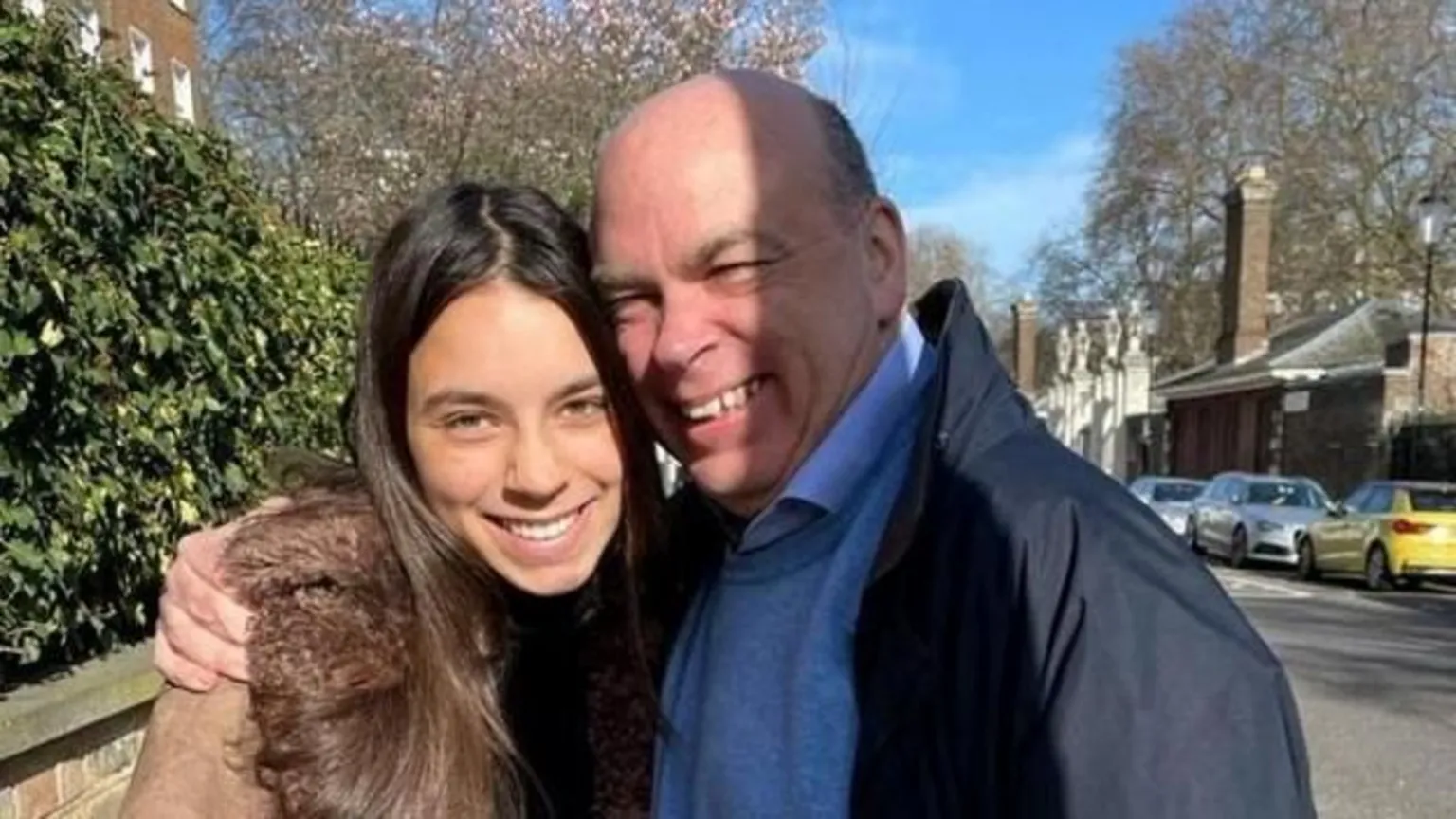
A spokesperson representing the Lynch family expressed their disappointment with the court's decision and stated that they believe an application to the Court of Appeal should be pursued in the interest of justice.
Details of the Legal Dispute
Following HPE's acquisition of Autonomy for $11.1 billion (£8.2 billion) in 2011, the company initiated legal action against Lynch seeking damages of approximately $5 billion (£3.79 billion).
During a nine-month trial in 2019, which was considered the largest civil fraud trial in the UK at the time, HPE alleged that Lynch had deliberately inflated Autonomy's revenues and committed sustained fraud.
The estate of Mike Lynch sought to challenge the 2022 ruling by Mr Justice Hildyard that found HPE had "substantially won" its fraud claim against Lynch, who resided at Loudham Hall in Pettistree, Suffolk.
The estate also requested permission to appeal the July 2023 ruling by Hildyard, which determined that HPE suffered losses of around £700 million due to the Autonomy acquisition.
However, Hildyard refused the estate permission to appeal the recent ruling as well as earlier judgments related to the case.
Allegations and Court Findings
In the 2019 trial, HPE accused Lynch of inflating Autonomy's revenues, which led to an $8.8 billion write-down of the company's value.

In 2022, the judge stated that the American firm had "substantially succeeded" in its claim, although it was likely to receive less than the full amount claimed in damages.
Hildyard noted that Autonomy, founded by Lynch, had not accurately represented its financial position at the time of purchase. Nonetheless, he concluded that HPE would have proceeded with the acquisition even if the financials had been accurate, but at a lower price.
Legal Arguments Presented
In written submissions for the November 2025 hearing, Patrick Goodall KC, representing HPE, asserted that Lynch had "not only perpetrated an enormous fraud, but lied about it at every stage," and argued that an appeal designed to evade the consequences of the fraud should be denied.
Conversely, Richard Hill, the lawyer for Lynch's estate, contended in written submissions that the $761 million in interest claimed by HPE was an "excessive sum... based on a flawed analysis."
Mike Lynch's Career and Legacy
Mike Lynch, a University of Cambridge graduate, co-founded Autonomy in 1996, originating from a specialist software research group known as Cambridge Neurodynamics.
He led Autonomy as it expanded to become one of the largest technology companies in the UK, earning comparisons to industry icons such as Microsoft's Bill Gates and Apple's Steve Jobs.
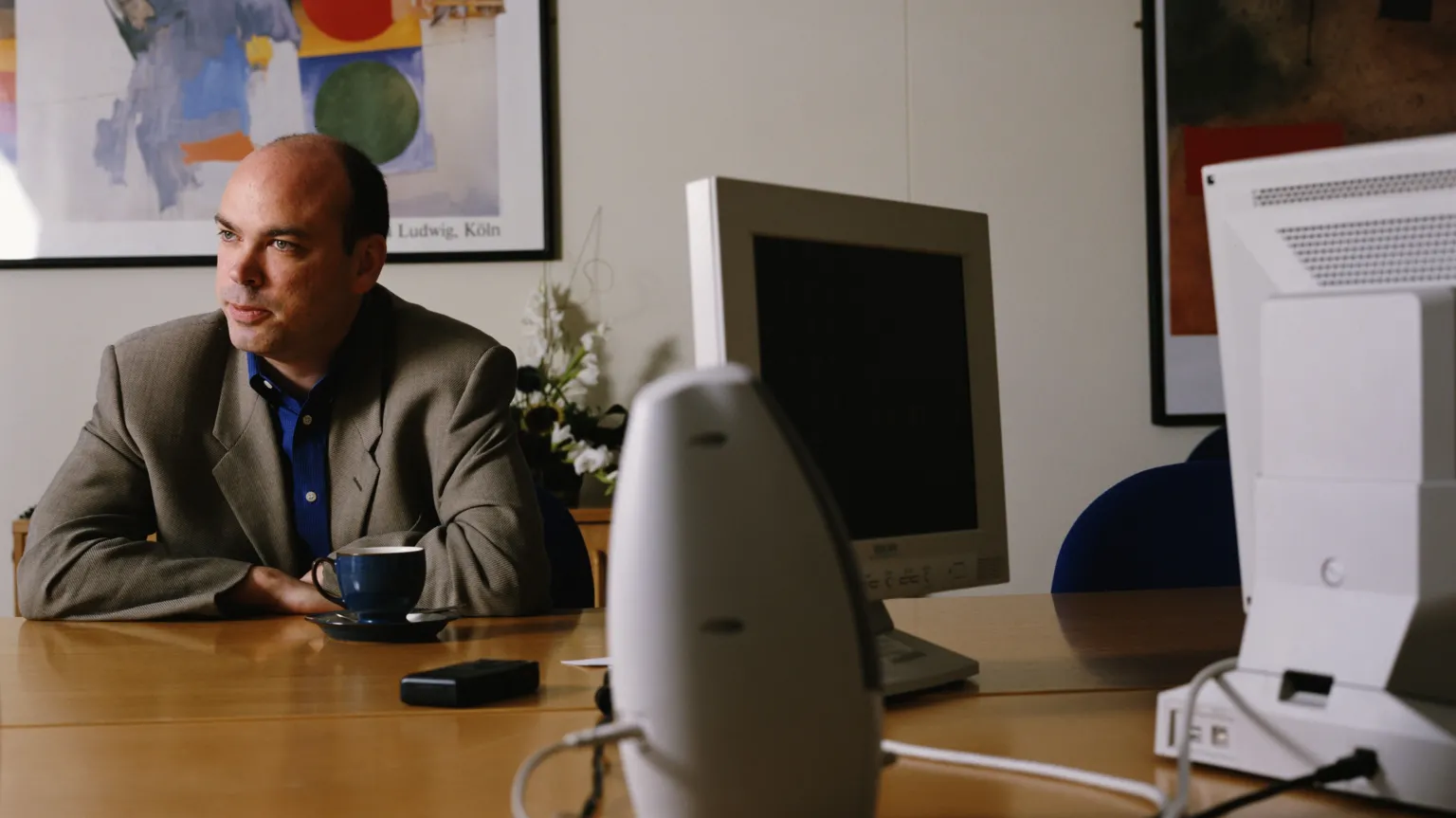
The sale of Autonomy, recognized for its software capable of extracting valuable information from unstructured data sources like phone calls, emails, and videos, was at the time the largest-ever acquisition of a British technology company.
Extradition and Acquittal
In 2023, Lynch was extradited to the United States to face criminal charges related to the case. He was acquitted of fraud in 2024, just weeks before his passing.
Family's Response to the Judgment
A spokesperson for the Lynch family stated:
"We are disappointed by the court's refusal and believe an application to the Court of Appeal should follow in the interests of justice.
HP's [HPE's] five billion dollar damages claim has already been shown to be vastly exaggerated.
Today's judgment describes the exaggeration as 'without foundation' and the purposes for which it was 'calibrated, publicised and pursued' as objectionable, misleading shareholders and extending the litigation unnecessarily.
Dr Lynch's acquittal in the US, where witnesses were properly cross-examined, exposed the truth.
The damage to Autonomy was the result of HP's own actions and failures, not wrongdoing at Autonomy."
Follow Cambridgeshire news on , Facebook, Instagram and X.


