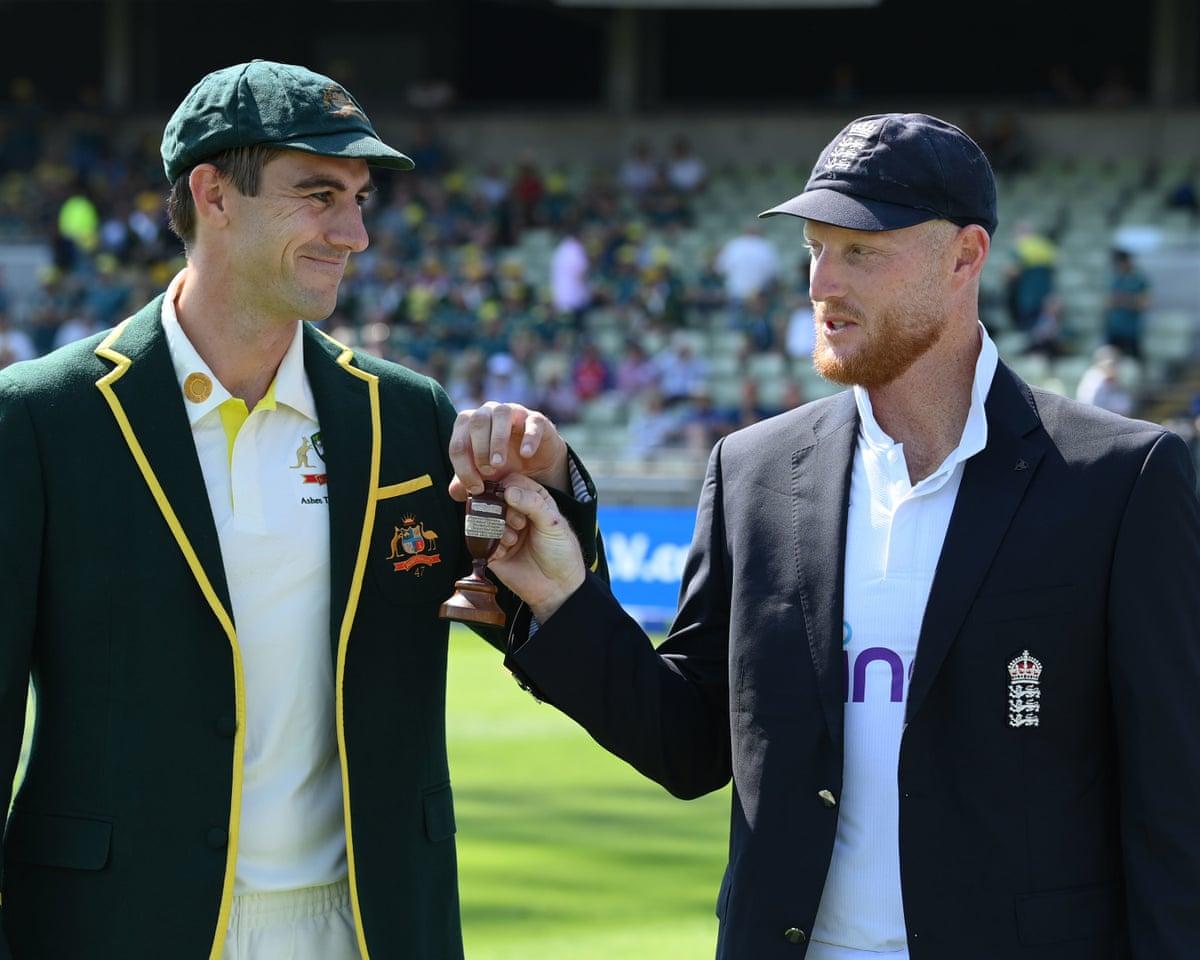
The England and Wales Cricket Board faces a projected financial deficit of up to £50m in 2027 despite staging the Ashes series, according to figures disclosed to county executives last week. The anticipated shortfall represents a dramatic reversal from the £12.6m profit recorded in 2025, and is triggering alarm among the 18 first-class counties that depend heavily on ECB funding. According to The Guardian, ECB officials have privately suggested the eventual loss could be reduced to around £35m, though this remains substantially higher than previously anticipated.
The projected losses stem from two principal factors: the cyclical nature of the ECB's media revenues, which fluctuate dramatically depending on which nations tour England, and a decision by the International Cricket Council to defer a portion of broadcast payments scheduled for distribution in 2027. The ECB's 2025 accounts had already flagged expectations of a "significant loss" in 2027 due to the absence of home matches against India, but the scale of the shortfall has now far exceeded those earlier warnings.
Why is the ECB facing such large losses?
The primary driver of the projected deficit is the dramatic difference in broadcast revenue between India tours and Australia tours. Sony Pictures' current six-year rights deal with the ECB, worth $250m (£185m) overall, generates substantially higher payments in years when India visits England. The 2025 summer series between England and India generated the £12.6m profit that underpinned that year's accounts, while the eight white-ball matches involving India this summer are projected to produce another profit in the 2026 accounts.
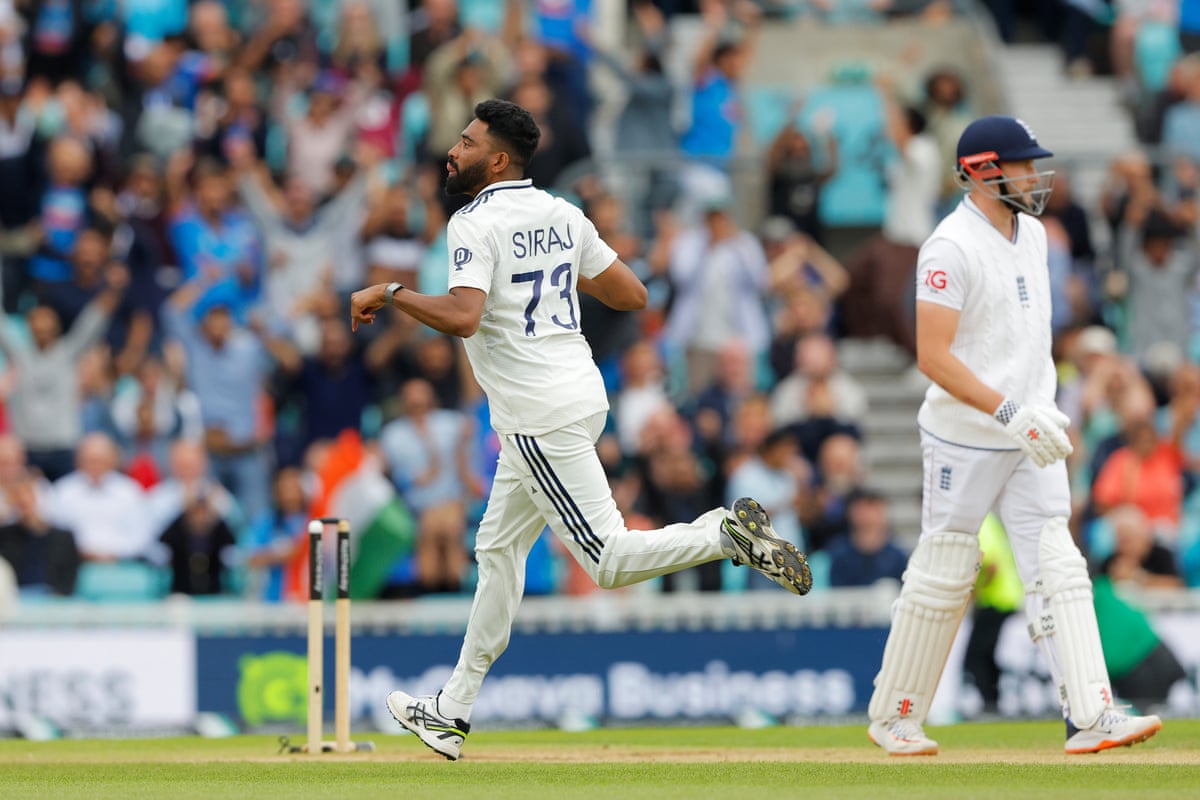
By contrast, Channel 9's exclusive broadcast rights for Australia's tours to England in 2027 and 2031 are valued at only $27.5m (£20.2m) to the ECB. This disparity means that despite the Ashes generating greater domestic interest and record ticket sales expectations, the financial returns are substantially lower. The ECB receives only approximately 30% of gate receipts, with the remainder retained by host venues.
The second major factor is the ICC's decision to withhold a portion of the broadcast payments it would ordinarily distribute to its 12 full members in 2027. The ICC typically provides larger back-weighted media payments in the final year of its broadcast cycle, coinciding with the men's 50-over World Cup—its most lucrative event. However, it has chosen to retain funds in 2027 to cushion the anticipated decline in payments to members in 2028, when its next broadcast cycle begins.
What is driving the ICC's decision to withhold payments?
The ICC's move reflects concerns about the projected value of its next Indian television deal. Disney Star paid $3bn (£2.2bn) for the ICC's media rights in India between 2023 and 2027, but after merging with Reliance Industries and Viacom18 in 2024, the company sought to exit the agreement. This development has created widespread expectations that the next broadcast deal will command significantly lower fees, as much of the competition has been removed from the market.
The ECB faces identical concerns about declining Indian television revenue. Its current Sony Pictures deal expires in 2028, and expectations are that the replacement contract will be substantially smaller. The ECB is understood to be working directly with the ICC to mitigate the impact of the reduced distribution.
How dependent is the ECB on broadcast revenue?
The ECB's financial structure is heavily skewed towards media rights income, which accounts for approximately 75% of its £310m annual revenue. Beyond the India-related challenges, the ECB faces additional pressure from its domestic rights deal with Sky Sports, which expires in 2028 and has not increased in value since 2019—a significant concern given the uncertain media landscape.
The ECB's revenue imbalance has been compounded by substantial increases in spending. Central funding to counties rose by 31% from the previous cycle to £512m between 2025 and 2028, while the ECB is also investing an additional £5m annually on women's cricket over the same period.
What financial resources does the ECB have to manage the losses?
The ECB raised £520m from the part-sale of the eight Hundred franchises to private investors last year, though the majority of that capital is frozen in an escrow account designated for counties seeking to pay off debt or invest in infrastructure. According to Yahoo Sports, the ECB reported £522.3m in ringfenced proceeds from the Hundred sale and cash reserves of £72.8m.
The ECB is aiming to increase its cash reserves to £80m, providing a buffer against the projected losses. However, the scale of the anticipated deficit—potentially £50m before mitigation efforts—means that even with these reserves and the possibility of reducing the loss to £35m, the financial pressure on the organisation and its dependent counties remains acute.
How are the counties affected?
The projected losses are causing significant concern among county executives, given their reliance on ECB funding. Ten of the 18 first-class counties recorded losses in their most recently published accounts, and the vast majority depend on ECB distributions to remain viable as going concerns. A reduction in ECB funding or a failure to mitigate the projected losses could have serious consequences for county cricket operations.
What is the broader context for English cricket finances?
The ECB's financial challenges reflect structural vulnerabilities in English cricket's revenue model. The Daily Star reported that the ECB's 2026 accounts showed turnover of £408.9m, up £89.4m on the prior year, with the increase attributed largely to broadcast and ticketing revenue from hosting India in 2025. This demonstrates how heavily the ECB's profitability depends on specific high-value tours.
The 2027 home schedule includes matches against Pakistan and Bangladesh, plus a men's Test against New Zealand, and the women's team will host Bangladesh. However, none of these fixtures generate the broadcast revenue that an India tour would provide, leaving the Ashes as the summer's primary revenue source despite its lower broadcast value compared to India tours.
What happens next?
England's men are scheduled to open the 2027 Ashes at Trent Bridge on 18 June, with the fifth Test beginning at the Kia Oval on 29 July. The ECB has expressed optimism that the eventual loss could be reduced to around £35m, as the amount to be withheld by the ICC has yet to be confirmed and there remains time to add extra commercial and event revenue given that the 2027 accounting period runs until 31 January 2028. The outcome will depend on negotiations with the ICC, commercial success during the Ashes series, and the ECB's ability to generate additional revenue streams before the financial year closes.