

Leadership Change at Dolce & Gabbana
Stefano Gabbana, the co-founder of Dolce & Gabbana, has resigned from his position as chair of the fashion house he established with Domenico Dolce in 1985.
The company is currently facing financial difficulties, including a debt burden estimated at approximately €450 million (£391 million), compounded by a slowdown in the luxury retail sector, particularly due to reduced consumer spending in China.
Despite stepping down as chair, Gabbana will maintain his creative responsibilities within the company, continuing to collaborate with Dolce on designing collections and preserving their longstanding professional partnership.
On January 1, 63-year-old Gabbana was succeeded by Alfonso Dolce, the brother of Domenico and the firm's chief executive. Corporate filings indicate that Gabbana informed the company of his decision in December.
Expansion into New Markets
Dolce & Gabbana has been diversifying its business by targeting new sectors such as hospitality and furniture. Their latest collection in this area includes luxury items like a leopard-print porcelain vase priced at £1,084.
Financial Situation and Industry Expert Insights
Fashion analyst Priya Raj commented on the brand's financial status, stating:
"It's no secret that the brand is in significant debt. The brand is privately owned, and Stefano Gabbana owns a significant stake, 40%, as does Domenico Mario Assunto Dolce - we're not sure what will happen to that yet".
Reports from March indicated that Dolce & Gabbana had engaged a financial adviser and was in discussions with creditors regarding its debt obligations. In a statement released on Friday, the company said:

"With regard to the debt position, the group has no statement to make at this time, as negotiations with the banks are still ongoing."
Raj further noted that the brand has managed to endure despite various controversies, stating:
"The firm has managed to outlast cancel culture after a series of controversies."
Recent Controversies and Brand Identity
Earlier this year, during Milan Fashion Week's fall/winter men's show, Dolce & Gabbana faced criticism for predominantly featuring white models in its casting. This decision drew public condemnation from celebrities, including Bella Hadid, who voiced her disapproval on social media.
However, Raj observed:
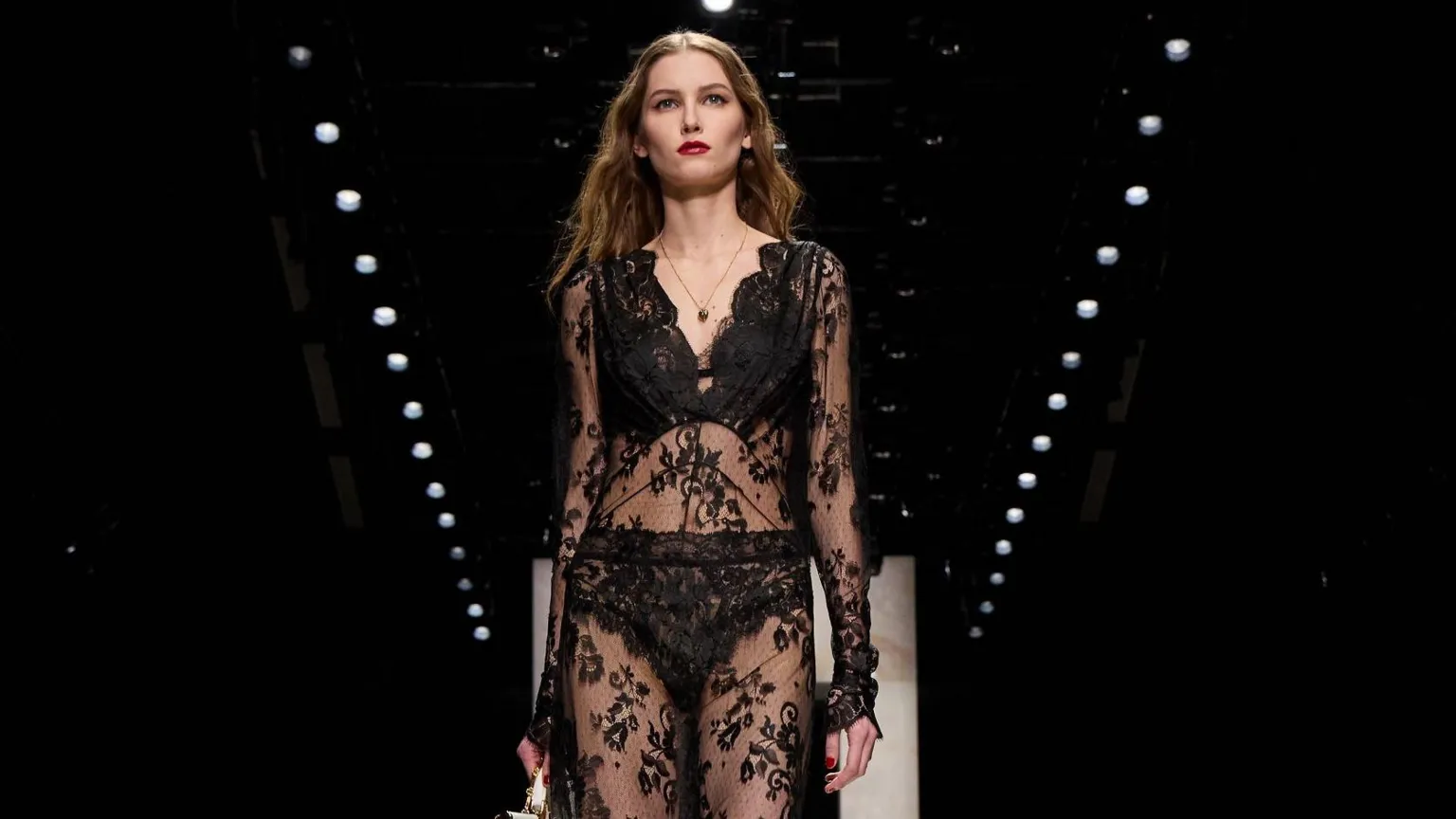
"Even in a market obsessed with quiet luxury, their sexy Sicilian vibe has outlasted trends, and they've built a cult following for it."
She added that the challenges facing the company are not related to its design aesthetic but rather to its financial management, stating:
"So the problem isn't with the designs at all, rather in the financial running of the business. They clearly need some outside help."
Raj suggested that the company may seek a minority investor or strategic partnership to stabilize its operations:
"A minority investor or strategic partnership is likely as the firm seeks to get things back under control."
Company History and Cultural Impact
Founded in Milan, Dolce & Gabbana quickly gained prominence due to its popularity among major celebrities. A pivotal moment in the brand's ascent was when Madonna chose to wear Dolce & Gabbana during the 1990s, commissioning the label to design costumes for her 1993 The Girlie Show tour, which supported her "Erotica" album release.
This collaboration helped solidify the fashion house's provocative and sensual image, while also offering more accessible products such as sunglasses and perfumes for everyday consumers.


