

Coalition pledges to repeal changes to capital gains tax and negative gearing
The Coalition announced last night its intention to repeal the recent changes to capital gains tax and negative gearing if elected, responding to Labor’s budget measures.
The shadow treasurer, Tim Wilson, stated on that the prime minister had promised during last year’s election campaign not to alter these incentives, and therefore, Labor lacks a mandate for the reforms.
"We’ll repeal these measures if necessary, but our objective is to defeat them and to make sure that they’re never legislated. Because this government doesn’t have licence from the Australian community [to] support these changes."
Wilson also noted that the $250 tax offset for workers will be eroded within six months due to inflation. This offset will be provided to workers after next year, so its implementation is still some time away.
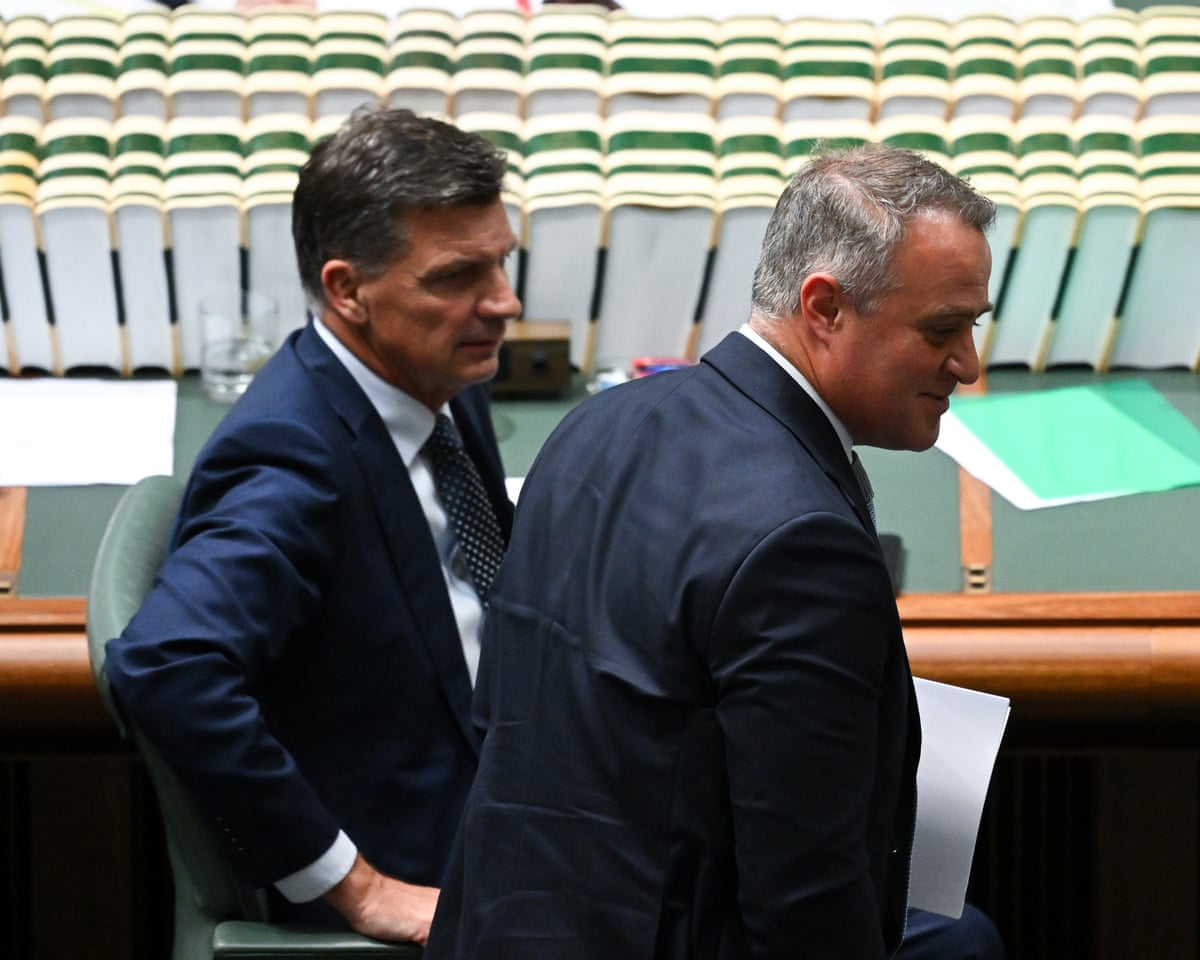
Albanese defends grandfathering tax incentives
The budget addresses both supply by boosting housing and demand by reducing incentives for investors, which is expected to result in an additional 75,000 people entering the housing market over ten years.
When questioned by ABC AM program’s Melissa Clark about whether this figure—equating to 7,500 additional people annually—is sufficient, Prime Minister Anthony Albanese responded that it would make a "substantial difference." He also justified the decision to grandfather the policy, allowing current investment owners to continue benefiting from negative gearing incentives.
"What it will do is to make a substantial difference by giving people that opportunity to aspire to their own home. It will also, of course, boost supply over time as well.
We do have to have a transition, and that’s because we wanted to look after people who had made decisions based upon a system that had been there for a while, but a system that increasingly simply wasn’t working."
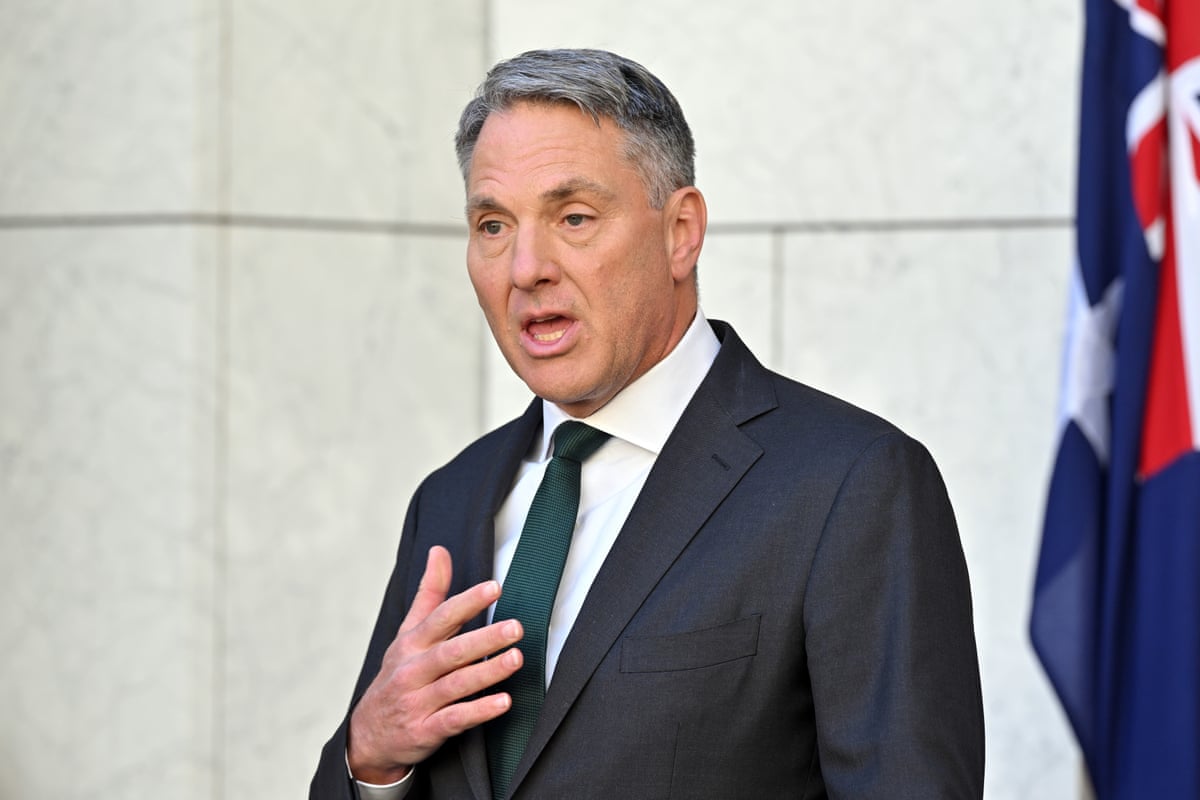
Australia to send military plane to Strait of Hormuz reopening mission
Australia will participate in an international mission to reopen the Strait of Hormuz by contributing a high-tech surveillance aircraft.
Defence Minister Richard Marles confirmed this morning, following an overnight meeting of defence ministers from 40 countries, that the meeting resolved to support "collective diplomatic, economic and military capabilities to support freedom of navigation through the Strait of Hormuz."
"Australia stands ready to support an independent and strictly defensive Multinational Military Mission, led by the United Kingdom and France, once it is established," Marles said.
"Our intention is to contribute Australia’s world-leading E-7A Wedgetail aircraft to this defensive effort."
The E-7A Wedgetail, deployed to the United Arab Emirates about two months ago with approximately 85 Australian Defence Force personnel, has been operating defensively to protect Gulf nations from Iranian attacks following US-Israel strikes. Its deployment has already been extended once and is expected to continue.
"While this platform [the Wedgetail] is already doing work in the region, providing this capability would make a valuable contribution to the multinational mission and efforts to secure freedom of navigation in the strait of Hormuz.
We want to see this conflict end, the strait of Hormuz open and freedom of navigation resume. The longer this conflict goes on the more significant the impact on Australia will be. Our government is doing all we can to shield Australians from the impacts."
‘We’ve changed our position’, Albanese says
Prime Minister Anthony Albanese and Treasurer Jim Chalmers are facing scrutiny over their reversal on tax incentives, specifically their decision to break an election promise by altering negative gearing and capital gains tax policies.
This issue is expected to remain a focus of political debate, with the opposition seeking to challenge the government’s stance.
Albanese explained that the government could not allow another generation of Australians to miss out on home ownership.
During a challenging interview on the Today show, Albanese was asked if a "death tax" would be introduced next. He responded negatively, but host Sarah Abo reminded him of the prior promise not to change negative gearing or capital gains tax. Albanese replied:
"We have put forward these changes, we’re being upfront about that. We are saying we’ve changed our position and why we have changed our position. And we have changed our position because we don’t want a generation of people who watch your program to be sitting there and thinking they’re going to be renting for the rest of their lives."
Chalmers says negative gearing will phase itself out over five to ten years
On ABC’s News Breakfast program, Treasurer Jim Chalmers explained that while negative gearing tax benefits will remain for existing property owners, these incentives will not persist indefinitely.
New property buyers after the changes take effect will still have access to some negative gearing benefits.
The budget projects that this approach will allow house prices to continue growing, albeit at a rate 2% lower than otherwise expected.
Chalmers emphasized that the government’s primary focus remains on increasing housing supply.
"Typically it depends on which modelling you rely on but, between five and 10 years, typically a property will tip over from negatively geared to positively geared, and so that will phase out of the system.
The emphasis for most of the life of this government has been on building more homes and that’s still the primary focus."
‘These changes are contentious,’ Chalmers admits
Jim Chalmers acknowledged the political sensitivity of the reforms, noting that former opposition leader Bill Shorten had faced electoral defeat after proposing similar changes in 2016 and 2019.
Chalmers stated on ABC’s Radio National Breakfast that the current political environment makes it the appropriate time to implement these reforms, addressing long-standing challenges faced by younger Australians.
"These changes are contentious. There’s no use pretending otherwise but it’s the right thing to do. The easiest thing that we could have done from a political point of view would be to see these challenges in the housing market, particularly for young people, and to see the issues in the tax system and to leave everything exactly as it was. And we didn’t think that was an acceptable outcome."
He also highlighted that the budget includes a $250 tax offset for working Australians starting in 2028, aiming to reduce reliance on income tax and address bracket creep.
"One of the issues in the tax system is that it’s become out of whack. And so that new Working Australians tax offset … It’s effectively lifted the tax-free threshold for workers but not for others. And that does give us the architecture, I think, in the future, when successive governments can afford to return more bracket creep, it’s another way that we can do that."
Good morning, Krishani Dhanji here with you for the budget washup. Thanks to Martin Farrer for getting us started.
While I feel like I’ve had a quick turnaround from last night, the prime minister and treasurer are undoubtedly on less sleep, having already begun to do media interviews this morning.
Anthony Albanese and Jim Chalmers are promoting the budget (which you can read all about and ), conducting various TV interviews from the prime minister’s courtyard at Parliament House and some radio interviews as well.
There has been some political backlash to the changes to negative gearing and capital gains tax, but the government has also received considerable praise from economists and others for the bold reforms, and more reactions are expected throughout the day.
It’s going to be a hectic day requiring several coffees, so let’s get started.
Australian Medical Association gives mixed verdict to budget
The Australian Medical Association (AMA) commended the budget for securing "much-needed" additional funding for public hospitals but noted that it offers "little else" to address Australia's critical health system challenges.
AMA president Dr Danielle McMullen welcomed the additional $25 billion allocated for the next national health reform agreement but indicated that a funding gap remains, and other opportunities to improve healthcare were missed.
"Our modelling shows a remaining gap of at least $9.6bn – a gap that must be bridged if the cycle of crisis our public hospitals are in is to be broken.
We are also pleased to see $120.9m set aside to support the role of general practice in the early identification of children with development delay or neurodevelopmental difference through a Medicare funded three-year-old health assessment and expanded Comprehensive Health Assessment Program. It will be critical for all governments to ensure that appropriate support for eligible children is available on GP referral."
However, McMullen expressed disappointment over other aspects of the budget.
"While we welcome a commitment to undertake consultation on private health reform, cuts to the private health insurance rebate for people who are 65 years and over are likely to see older Australians on modest incomes drop or downgrade their cover and this may put more pressure on the public hospital system."
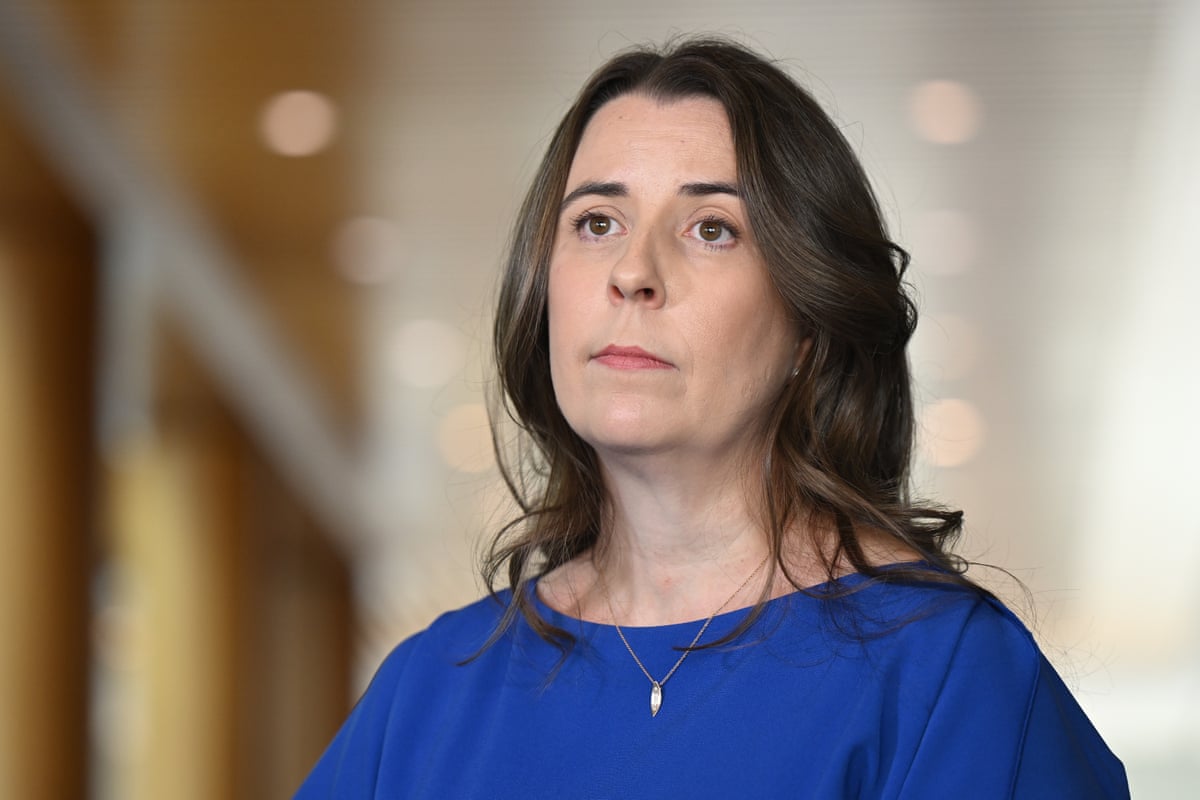
Government deserves credit for spending political capital on reform says CEDA
Last night’s budget included a warning that Australia faces risks if the Middle East crisis continues and oil prices do not return to pre-war levels.
In this challenging context, the Committee for Economic Development of Australia (CEDA) stated that the budget makes progress toward reform by delivering modest savings and supporting households and businesses, partially offsetting increased revenue from commodity prices, inflation, and a strong labour market.
CEDA also praised measures addressing housing supply, productivity growth, tax reform, cost of living, and intergenerational fairness as "welcome steps towards a stronger, more resilient economy and social compact," while noting that further targeted and robust attention will be necessary.
CEDA’s chief executive, Melinda Cilento, said:
"This was a genuinely difficult budget to calibrate and it contains many moving parts.
While higher commodity prices have boosted national income, the cost of living is biting, inflation remains too high and the global outlook remains highly uncertain. A government willing to spend political capital on productivity, housing, tax reform and intergenerational fairness deserves credit."
Climate Council says budget gives ‘free kick’ to fossil fuel companies
The Climate Council quickly criticized the budget for providing a "massive free kick" to fossil fuel multinationals while consumers remain vulnerable to global energy price spikes and climate-related harm.
The council highlighted that by maintaining over $19 billion in annual fossil fuel subsidies and foregone gas tax revenue, the budget missed significant opportunities to expand clean energy solutions that could protect Australians from global fossil fuel volatility.
YouGov polling indicated that most Australians prefer government investment in renewable energy over fossil fuels to secure the nation’s energy future, the council stated.
Climate Council chief executive Amanda McKenzie commented:
"This budget maintains the $19bn gravy train for big fossil fuel corporations. That is $19bn in the wrong direction, keeping us tied to foreign oil rather than supporting the expansion of renewable energy solutions that Australians want to deliver a safer, cleaner, more secure energy future."
Political reactions and ongoing debate
Good morning and welcome to our live news blog. I’m Martin Farrer with the top overnight stories, followed by Krishani Dhanji with the main coverage.
There has already been substantial reaction following Treasurer Jim Chalmers’ fifth budget delivery last night. Various interest groups are providing their assessments, praising some aspects while criticizing others.
Shadow Treasurer Tim Wilson has clearly articulated the Coalition’s opposition to the major changes in capital gains tax and negative gearing, which the government argues will address intergenerational equity. Wilson affirmed the Coalition’s intent to block or repeal these changes when next in government.


