

Castlelake’s Offer Falls Short of Expectations
Castlelake’s bid for easyJet does not appear to represent a compelling offer, and it still faces the challenge of securing support from shareholders and Stelios Haji-Ioannou.
It is a common strategy for a potential bidder, after having its offers rejected three times by the target company’s board, to publicize the terms of the proposal in hopes that shareholders will pressure for renewed negotiations.
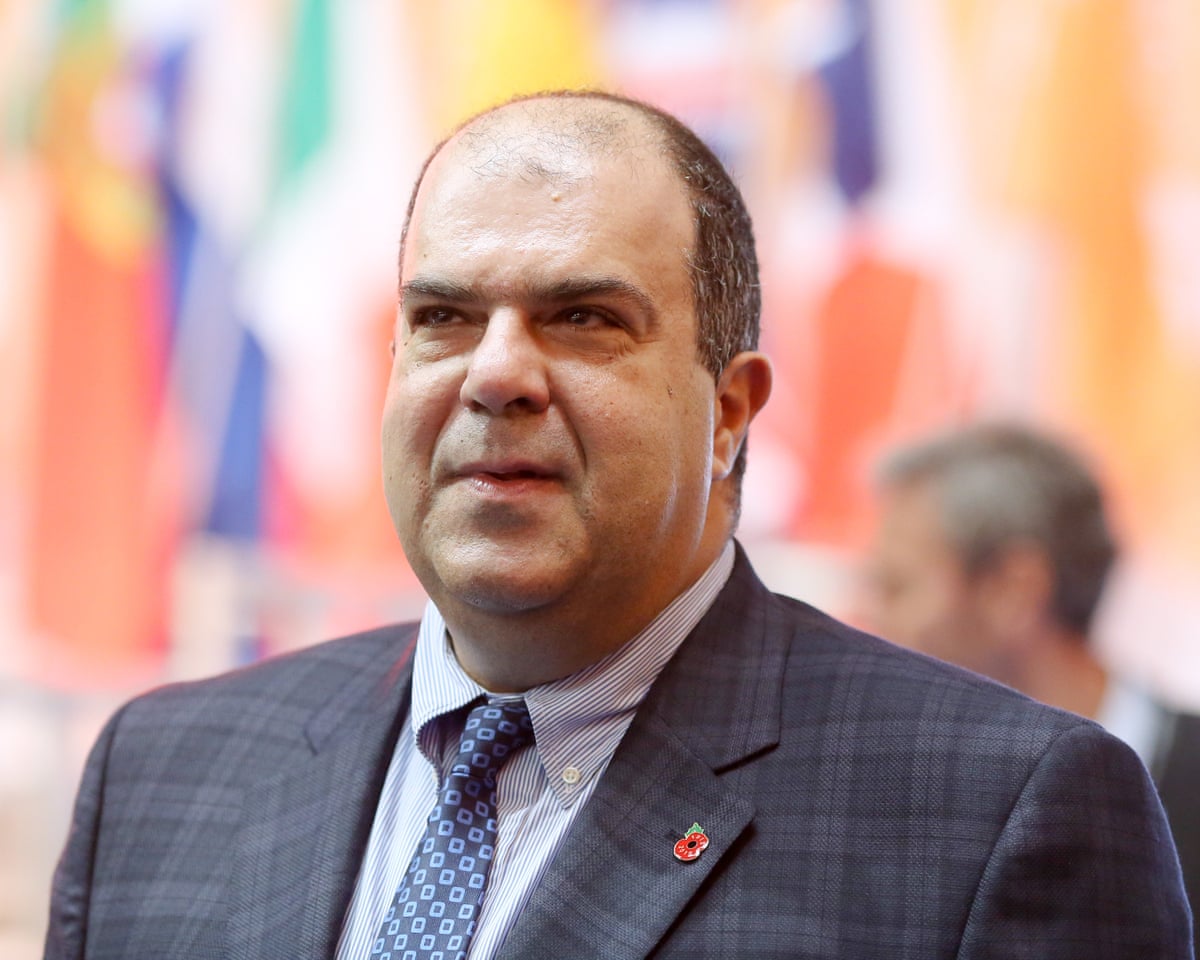
This approach is standard practice, especially since the deadline for a "put up or shut up" bid is at the end of the week, prompting Castlelake to attempt this tactic. Ideally, Stelios Haji-Ioannou, the airline’s founder and a 15% shareholder alongside his family, would intervene with a strong statement to influence the board’s stance. However, to date, he has remained silent and has not expressed support for either side.
Market Skepticism and Share Price Gap
The lack of response from Monaco contributes to the market’s skepticism regarding Castlelake’s prospects. The US investment firm’s most recent offer, which was rejected on Sunday, stood at 625p per share, valuing easyJet at approximately £4.7 billion. The significant difference between this offer and the current market price of 518p per share, which rose only 2% on Monday, indicates that a shareholder revolt is not imminent.
The market’s judgment appears reasonable for two main reasons. First, the 625p offer does not constitute a decisive premium. While Castlelake notes that easyJet’s shares have not traded at this level since early 2022 and were at 464p the day before the onset of the Iran war, the airline is not in a state of crisis requiring urgent rescue. Instead, it has simply underperformed its competitor Ryanair financially over several years, and its balance sheet remains robust.
Asset Strength and Future Potential
EasyJet shareholders’ downside risk should be mitigated by the company’s substantial asset base. The latest valuation places these assets at around £5 billion, primarily consisting of 208 aircraft owned outright and valuable landing slots. Shareholders likely anticipate that the long-term upside potential exceeds the 625p offer, particularly if market conditions improve.

Although profits for this year are expected to be disappointing due to the ongoing war’s impact, the company maintains its medium-term target of exceeding £1 billion in profits, supported by various cost-saving initiatives. While the timeline for achieving this goal remains uncertain, this uncertainty is typical in the airline industry, where earnings tend to be volatile. The key point is that shareholders are unlikely to accept a mediocre offer when the outlook for next year is more optimistic.
Concerns Over Bid Structure and EU Ownership Rules
The second consideration relates to the feasibility, or "deliverability," of Castlelake’s bid structure, particularly in compliance with EU regulations requiring European airlines to be majority-owned by investors within the EU.
The proposal includes an "EU partner" entity led by two EU nationals, one of whom is a former easyJet executive. This entity would hold the majority of voting rights and thus formal control, while Castlelake and its co-investors would retain the majority of economic ownership. This arrangement appears complex and somewhat opaque, although Castlelake has obtained legal opinions suggesting it aligns with principles applied at other airlines.
EasyJet criticized the structure, stating:
"The envisaged ownership structure is opaque and does not present any basis for assessing the deliverability of the third proposal."
This remark highlights a fundamental concern: if EU ownership rules can be circumvented so easily, their purpose is undermined.
Castlelake’s Vision for easyJet
Castlelake has provided some insight into its intentions should it gain control, promising to "support easyJet as a stronger, more resilient European airline" and to "sustain its network." This suggests that a breakup of the airline is unlikely, although there may be opportunities for restructuring leasing arrangements, a strategy the US firm has employed in the airline sector previously.
Conclusion: Price and Shareholder Backing Are Key
Ultimately, the outcome of this contest hinges on the offer price and the level of shareholder support. The bid appears to fall short of full value, and Castlelake urgently needs the backing of Stelios Haji-Ioannou to generate meaningful momentum.


