

Businesses at Risk Without Nature Protection
Scientists worldwide are warning that businesses themselves face extinction unless they actively protect and restore the natural environment.
A significant new report outlines how companies can transition from damaging practices to those that support nature restoration. This comes amid growing concerns about nature loss in the UK.
Global Scientific Assessment and Business Implications
The assessment was conducted by the Intergovernmental Science-Policy Platform on Biodiversity and Ecosystem Services (Ipbes), incorporating input from leading scientists and receiving approval from 150 governments.
Matt Jones, co-author and representative of the UN World Conservation Monitoring Centre in Cambridge, emphasized the stakes for businesses, stating:
"Businesses can either lead the way or 'ultimately risk extinction... both of species in nature, but potentially also their own'."
Ipbes highlighted that all businesses, even those seemingly distant from natural ecosystems, depend on ecosystem services such as clean water and fertile soils, which nature provides without cost.
Prof Stephen Polasky, co-chair of the report, remarked on the paradox businesses face:
"The loss of biodiversity is among the most serious threats to business, yet the twisted reality is that it often seems more profitable to businesses to degrade biodiversity than to protect it."
Calls for Clear Business Metrics on Biodiversity
Leigh Morris, International Director of The Wildlife Trusts, a consortium of UK wildlife charities, responded to the report by underscoring the need for actionable tools:
"We need clear metrics and toolkits so businesses can get their own houses in order on biodiversity."
He further noted that for many UK businesses, engagement with nature protection has shifted from being a "nice-to-do" to a "must-do".

Steart Marshes: A Model for Nature and Business Collaboration
An illustrative example of cooperation between business and nature is found at Steart Marshes in Somerset.
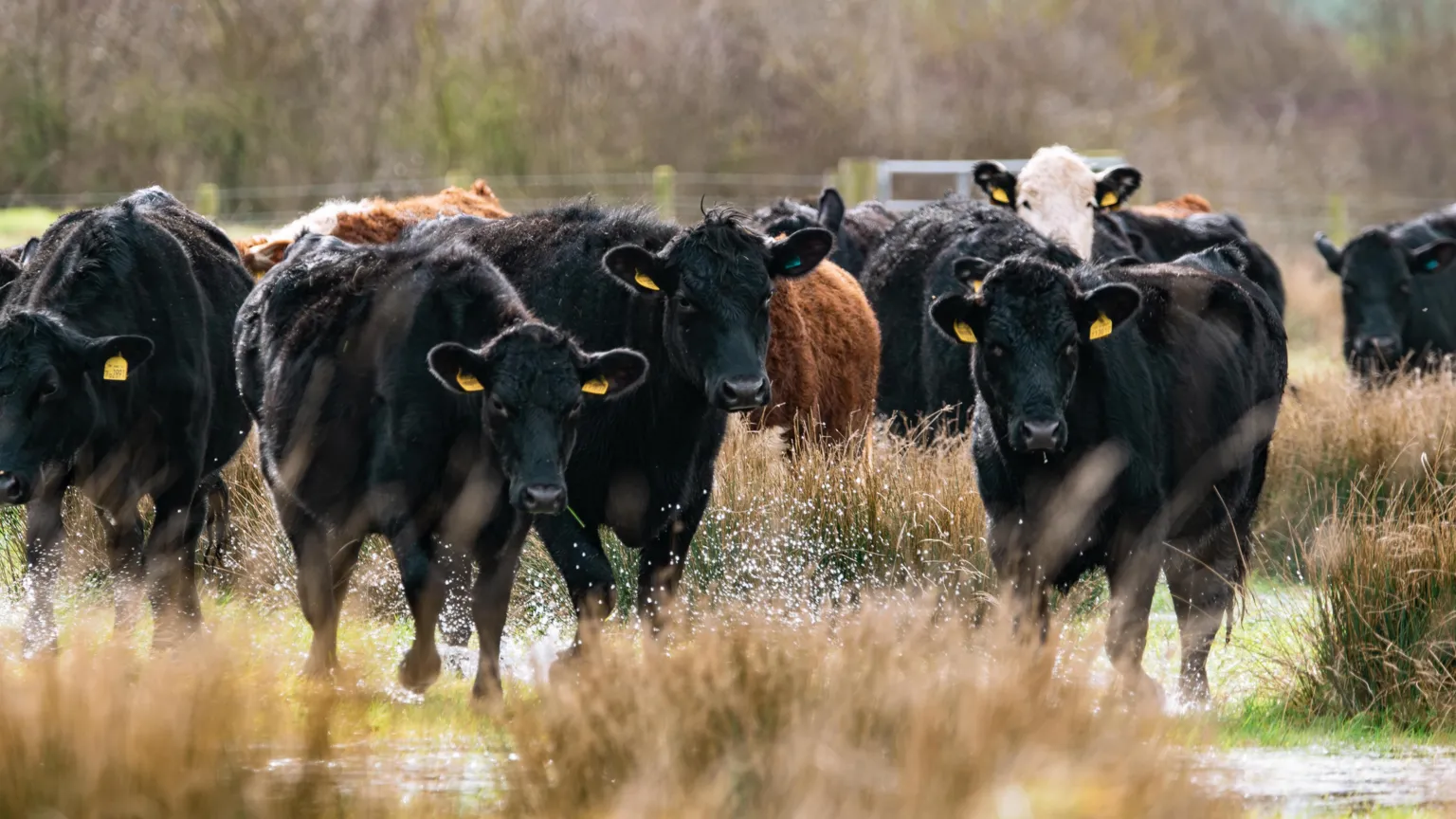
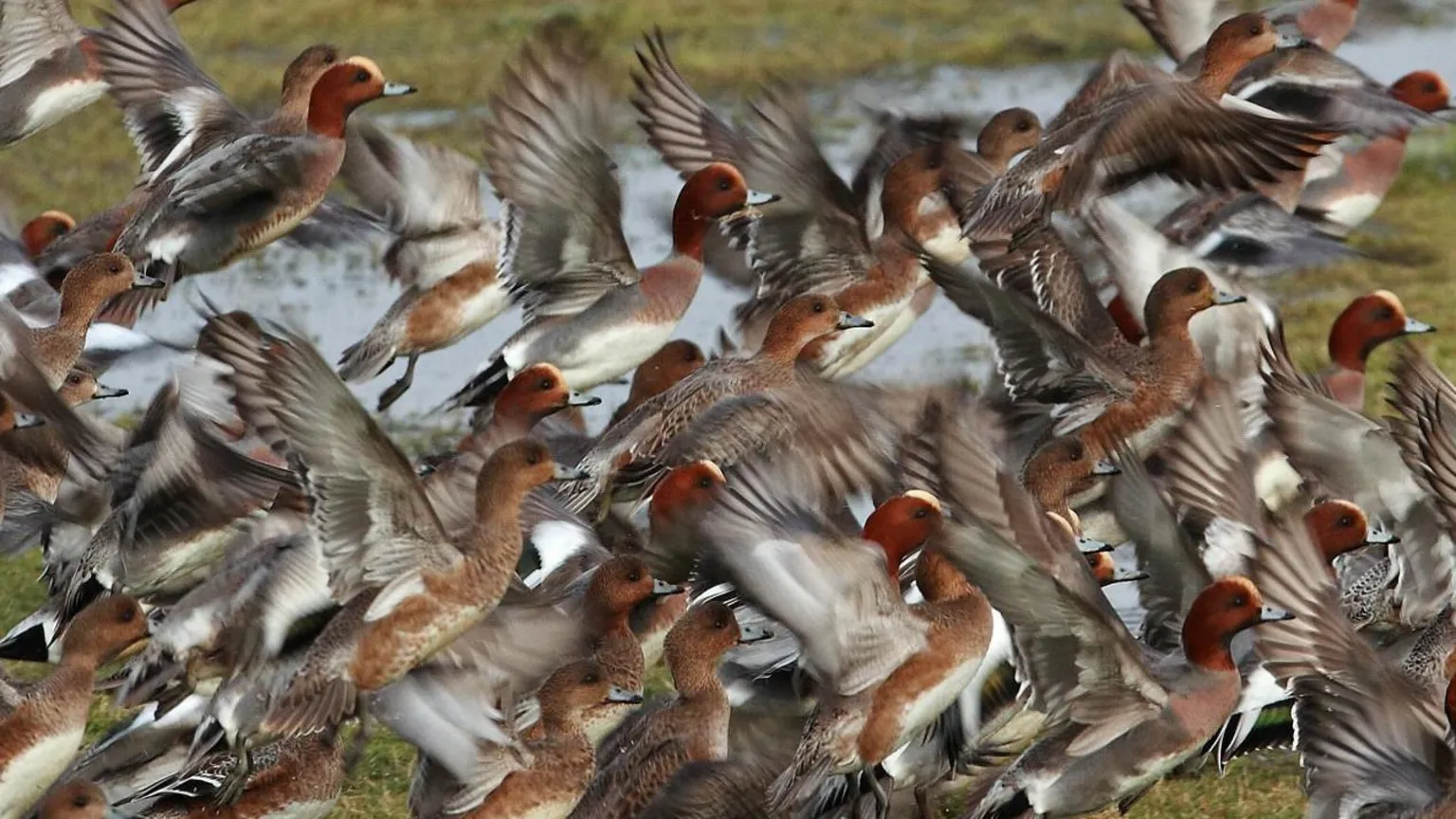
Here, farmers and conservationists jointly manage land to support both wildlife and agricultural productivity. Grazing cattle help maintain habitats for birds, insects, and plants.
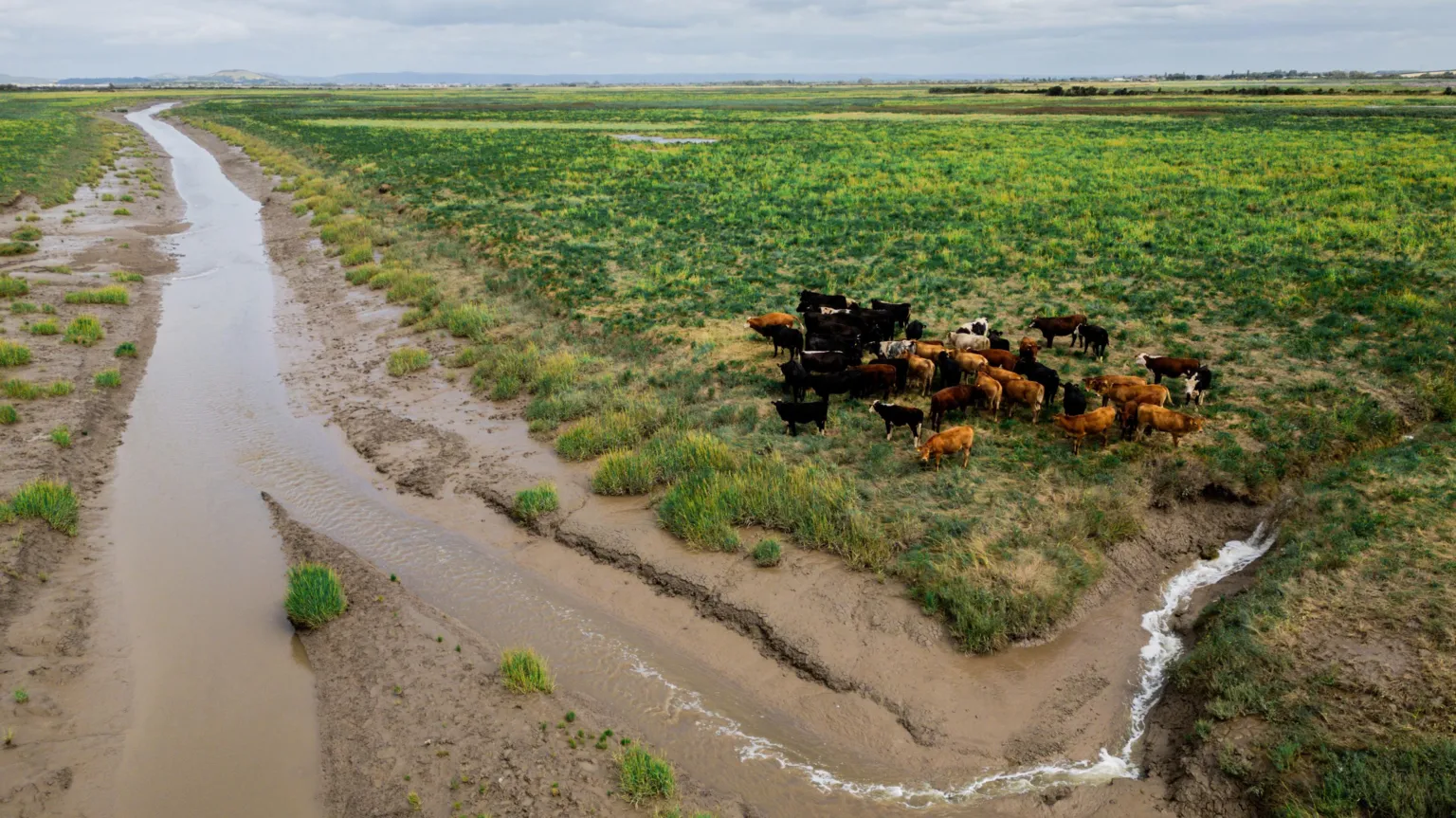
Local farmer Andy Darch explained the role of the cattle in conservation efforts:
"They are eating different types of grasses and trampling areas that are important for wildlife. And because they are eating such a variety of plants, it produces a really high-quality beef at the end of the day."
Steart Marshes also exemplifies how nature restoration can benefit local communities. Newly engineered flood banks protect nearby villages from rising waters, while wetlands contribute to carbon absorption and pollution reduction.
Alys Laver of the Wildfowl and Wetlands Trust, which manages the reserve, highlighted the synergy between farming and conservation:
"Not only are those flood banks an engineering marvel, they're providing flood protection for the local villages. On the back of that we're getting a product the farmers can utilise. So it's not a loss of farming it's just a change."
Everyday Incentives Driving Nature's Decline
The report identified routine incentives that contribute to the ongoing decline of nature.
It emphasized that better stewardship of nature is not a remote environmental concern but a fundamental challenge for every corporate boardroom.
Despite this, fewer than 1% of publicly reporting companies include information about their biodiversity impacts in their reports.


