

Asian Markets Decline Amid Rising US-Iran Conflict
Major stock markets across Asia experienced significant declines on Monday as tensions between Washington and Tehran escalated, marking the fourth week of the ongoing conflict involving Iran.
Japan's Nikkei 225 index dropped by 3.4% during morning trading, while South Korea's Kospi index fell nearly 5%, reflecting investor concerns over the geopolitical instability.
US-Iran Threats Heighten Regional Risks
US President Donald Trump issued a stern warning on Saturday, stating that he would "obliterate" Iranian power plants if Iran did not reopen the strategically vital Strait of Hormuz shipping lane. In response, Iran declared it would retaliate against any such attacks by targeting critical infrastructure in the region, including energy facilities.
Japan and South Korea have been particularly affected by the conflict due to their heavy reliance on oil and gas shipments that typically transit through the Strait of Hormuz.
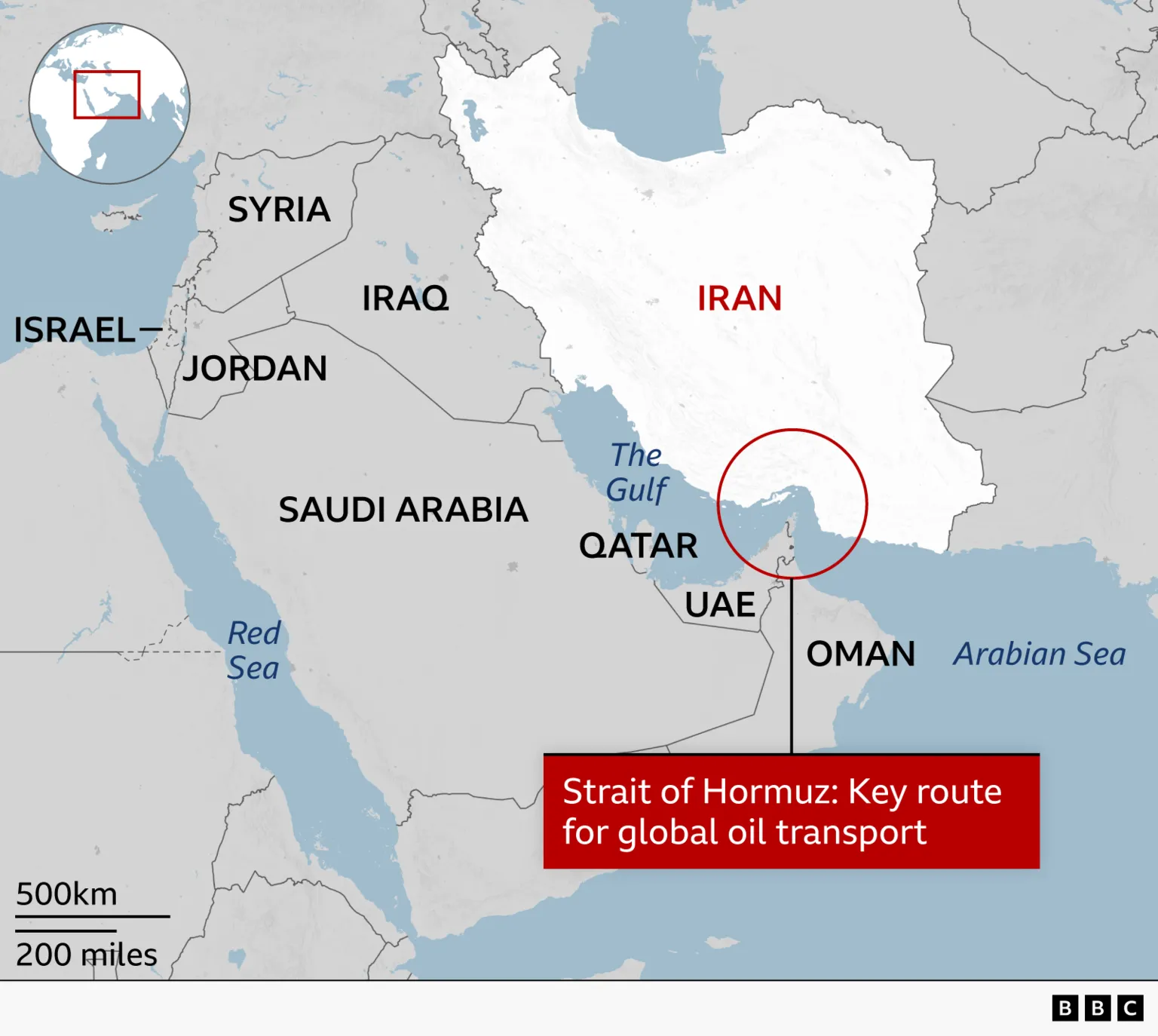
Iran has effectively blocked the Strait of Hormuz, one of the world's busiest oil shipping routes, since the United States and Israel launched attacks on Iran on 28 February.
Approximately 20% of the global oil and liquefied natural gas (LNG) supply normally passes through this waterway, and the ongoing war has caused global fuel prices to surge.
Energy Crisis Warning from International Energy Agency
On Monday, Fatih Birol, the head of the International Energy Agency (IEA), warned that the conflict could trigger the most severe energy crisis the world has faced in decades.

Speaking at the National Press Club in Canberra, Australia, Birol compared the current situation to the energy crises of the 1970s and the consequences of Russia's 2022 invasion of Ukraine.
"This crisis as things stand is now two oil crises and one gas crash put all together,"
Birol stated, emphasizing the severity of the situation.
Trump's Explicit Ultimatum
President Trump issued a direct ultimatum via social media at 23:44 GMT on Saturday:
"If Iran doesn't FULLY OPEN, WITHOUT THREAT, the Strait of Hormuz, within 48 HOURS from this exact point in time, the United States of America will hit and obliterate their various POWER PLANTS, STARTING WITH THE BIGGEST ONE FIRST!"
This declaration followed Iranian missile strikes on the Israeli city of Dimona and preceded a second attack on the nearby town of Arad.
Iran's Response and Regional Threats
Mohammad Bagher Ghalibaf, the speaker of the Iranian parliament, responded on Sunday by warning that energy and desalination infrastructure in the region would be "irreversibly destroyed" if Iran's power plants were attacked.
Such actions would significantly escalate the conflict, which has already disrupted global energy supplies, increased prices, and caused fuel shortages worldwide.
Broader Market Impact
Other Asia-Pacific markets also experienced declines on Monday. Hong Kong's Hang Seng index dropped 2.5%, while Taiwan's Weighted Index fell by 2%.
Global oil prices remained relatively stable, with Brent crude decreasing by 0.2% to $112 (£84) per barrel, and US-traded oil rising by 0.3% to $98.57 per barrel.


