US Supreme Court Ruling Sparks Uncertainty for Asian Trade Partners
Key US trading partners in Asia are confronting renewed uncertainty following a Supreme Court decision that declared many tariffs announced by President Donald Trump in 2025 unlawful.
Following the ruling on Friday, Trump announced plans to impose new global tariffs of 15% on goods entering the United States.
On Monday, US customs authorities announced a suspension of tariff collections related to the trade policy that Trump had used to initiate a global trade conflict.
This development represents a significant setback for governments from India to Indonesia, which had invested months negotiating trade agreements with Washington and had committed to investing billions of dollars in the US economy.
Although the new 15% tariff rate appears to benefit many Asian countries that were initially subjected to higher levies, analysts have highlighted ongoing uncertainties.
"Even if countries do decide to negotiate, at the end of the day, the current US administration is still looking to enforce higher levels of tariffs, regardless of the measures that have been struck down," said Adam Samdin from Oxford Economics.
Trade agreements recently signed with the US lack the clear, legally binding terms typical of traditional pacts, leaving room for further modifications, Samdin added.
Smaller Asian economies are expected to proceed cautiously to avoid antagonizing the Trump administration, as their outcomes will largely depend on their bilateral relations with the US.
Governments across the region are currently assessing the implications of the latest announcements.
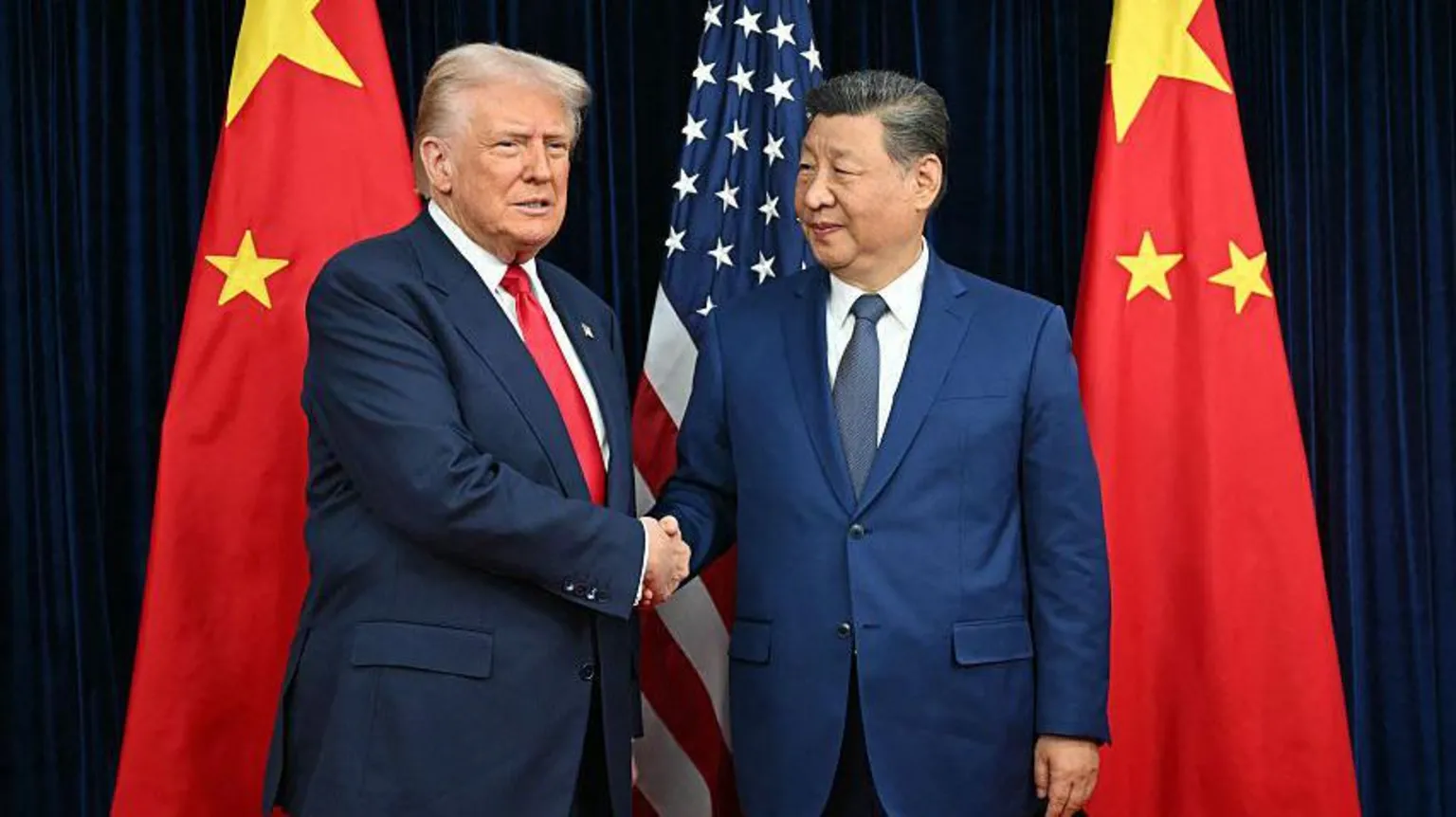
China, preparing to host Trump in early April, stated it is "conducting a comprehensive assessment of [the] content and impact" of the ruling.
"China has consistently opposed all forms of unilateral tariff increases and has repeatedly emphasised that there are no winners in a trade war, and protectionism leads nowhere," a Ministry of Commerce spokesperson added.
US Trade Representative Jamieson Greer said on Sunday that he did not anticipate the changes affecting Washington’s negotiations with China and its leader Xi Jinping.
"The purpose of this meeting with President Xi is not to fight about trade. It's to maintain stability, make sure that the Chinese are holding up their end of our deal and buying American agricultural products and Boeings and other things," Greer told ABC News.
"I don't see this really affecting that meeting," he added.
US allies in the region are also uncertain about the future trajectory of Trump’s trade policies.
Over the weekend, a Japanese government spokesman said Tokyo "will carefully examine the content of this ruling and the Trump administration's response to it, and respond appropriately."
However, Itsunori Onodera, an executive of Prime Minister Sanae Takaichi's Liberal Democratic Party and former defence minister, expressed concerns about the new tariff rate.
"As an ally, I'm worried this will only accelerate countries distancing themselves from the US," Onodera, who is not part of the government, said on a TV show on Sunday.

South Korea’s Industry Minister Kim Jung-kwan indicated on Monday that uncertainty remains regarding potential refunds for tariffs already paid.
Kim also clarified that computer chips are not subject to the tariffs announced by Trump following the ruling.
On Saturday, Taiwan, a key chip producer, stated that while the impact on the island seems limited, "the government will closely monitor developments and maintain close communication with the United States."
Singapore, which experienced an increase in its tariff rate from 10% to 15% after Trump’s announcement, is monitoring the situation and plans to meet with US officials soon to clarify the implementation of the new levies.
The city-state’s trade ministry informed the BBC that it believes certain goods, including pharmaceuticals, electronics, and energy, will not be affected by the new measures.
Many Asian countries, whose economies have been heavily reliant on exports to the US, were particularly impacted by Trump’s sweeping "Liberation Day" tariffs imposed in April.
Last week, Indonesia and the US finalized an agreement to reduce US tariffs on Indonesian goods from 32% to 19% in exchange for preferential access to Indonesia’s market.
Taiwan similarly secured a reduction of US tariffs to 15% in return for billions of dollars in investments.
Japan signed an agreement in late 2025 to accelerate rare earth production with the US, which is seeking to diversify its critical mineral supply chains to reduce dependence on China.
Greer told CBS in a separate interview that the US is in discussions with countries that have signed trade agreements with the Trump administration and that none have indicated intentions to withdraw following the tariff ruling.
"We're going to stand by them. We expect our partners to stand by them," Greer said.
A flat 15% tariff rate is expected to most adversely affect Asian economies exporting finished goods to the US, according to Sandra Alday from the University of Sydney.
She noted that the impact is more complex and difficult to assess for countries supplying goods that are completed in the US.
However, with tariffs applied universally, foreign products entering the US will generally become more expensive, Alday added.
Trump’s new 15% tariff is a temporary measure under Section 122 of the Trade Act, permitting tariffs to remain for approximately five months before requiring congressional approval.
The new levy also raises questions for countries such as the UK and Australia, which had previously agreed to a 10% tariff deal with the US.