

Continued Graduate Hiring Amid AI Job Concerns
The chief executive of Northern Ireland's largest software company, Kainos, has announced plans to recruit more graduates this year despite widespread concerns that artificial intelligence (AI) may be replacing jobs within the industry.
Brendan Mooney, who leads Kainos, expressed skepticism about the notion that large organisations will develop and deploy their own "DIY" software solutions using AI across their businesses.
"While AI could be used for solving unique, local problems in a business, I don't think it scales at all," Mooney added.
Kainos recently reported strong annual financial results, with sales increasing by 17% to £431 million and pre-tax profit rising by 2% to £67 million.
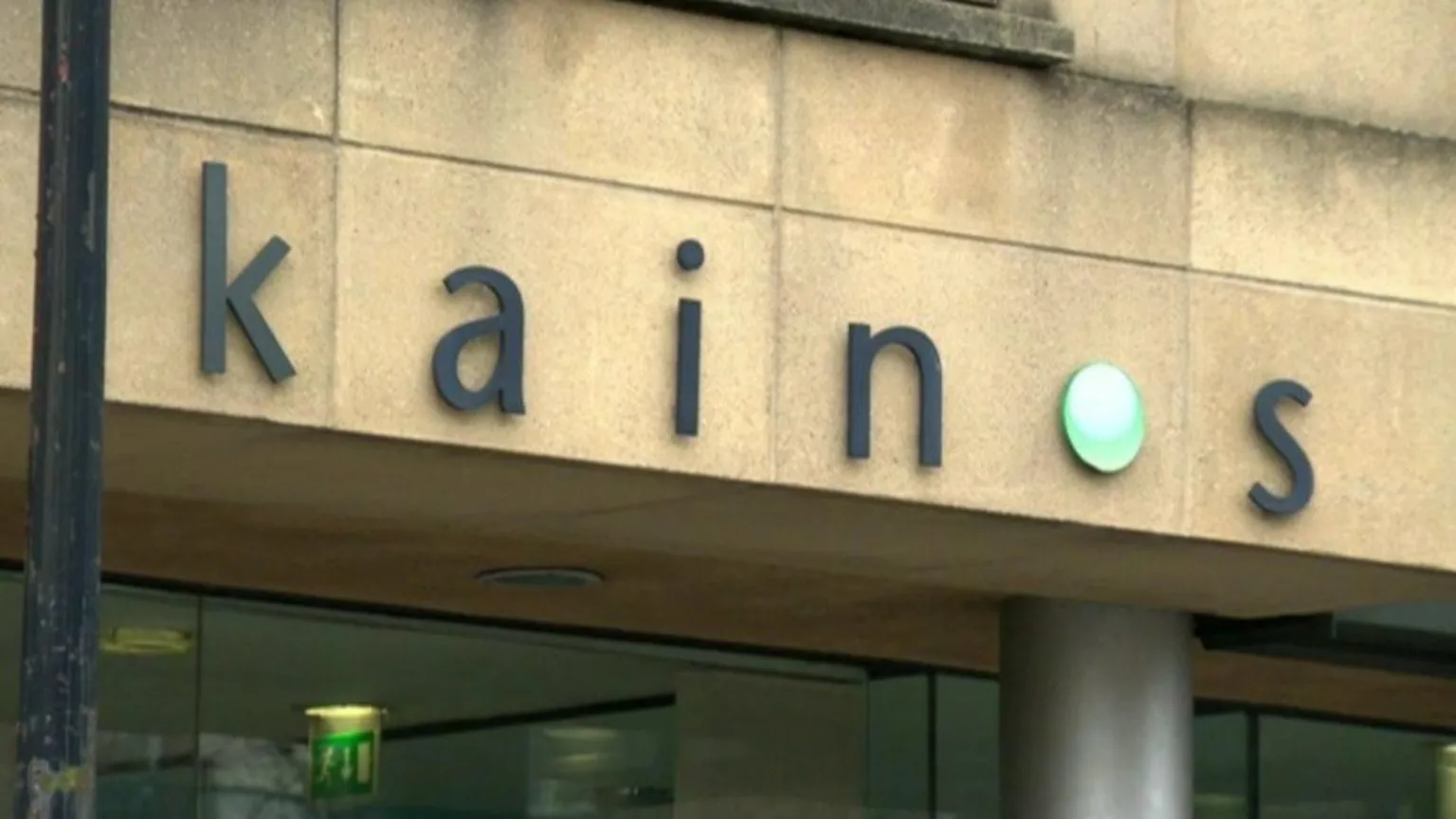
Over the past year, the company's workforce has grown from 2,800 to 3,200 employees, including approximately 120 staff from a Canadian firm acquired by Kainos.
Mooney stated that Kainos hired 130 graduates last year and plans to recruit an additional 200 graduates in the coming months.
'The SaaSpocalypse'
Kainos operates within the Software as a Service (SaaS) sector, which delivers software over the internet through subscription models rather than permanent downloads.

Over the last 15 years, SaaS has become the dominant operational model in the software industry, attracting investors due to its predictable recurring revenue streams.
However, in the past year, many software companies have experienced sharp declines in valuation amid growing concerns about AI's disruptive impact on the SaaS model, a trend referred to as the "SaaSpocalypse."
Two primary concerns underpin this trend: firstly, that companies purchasing software may replace workers with AI, reducing the need for software subscriptions; secondly, that companies might use AI to develop their own software internally.
'Responsible AI'
Industry leaders such as Mooney argue that these fears are exaggerated, noting the challenges of scaling AI tools across large organisations while ensuring security compliance and system integration.
"The constant theme is getting AI from pilot to production is really hard," he told NI.
"It's one of the most complex things you can do - how do you make sure that that new system operates as planned?"
Kainos' revenue from AI and data-related projects increased by 11% over the last year, reaching nearly £46 million, representing about 20% of the revenue within its Digital Services division.
The company plans to double the size of its "Responsible AI" team, which assists organisations in designing and deploying AI applications.


