

Confronting Toxic Behaviour Among Friends
What would you do if your best friend acted in a way you knew was wrong? Would you ignore it or speak up? These questions are central to a play recently performed for free to approximately 1,500 schoolchildren and young people across Northern Ireland.
The one-man show, titled Called Out, is designed to encourage young audiences to reflect on toxic behaviour towards women and issues of gender-based violence.
The play recently concluded its run at the Craic Theatre in County Tyrone.
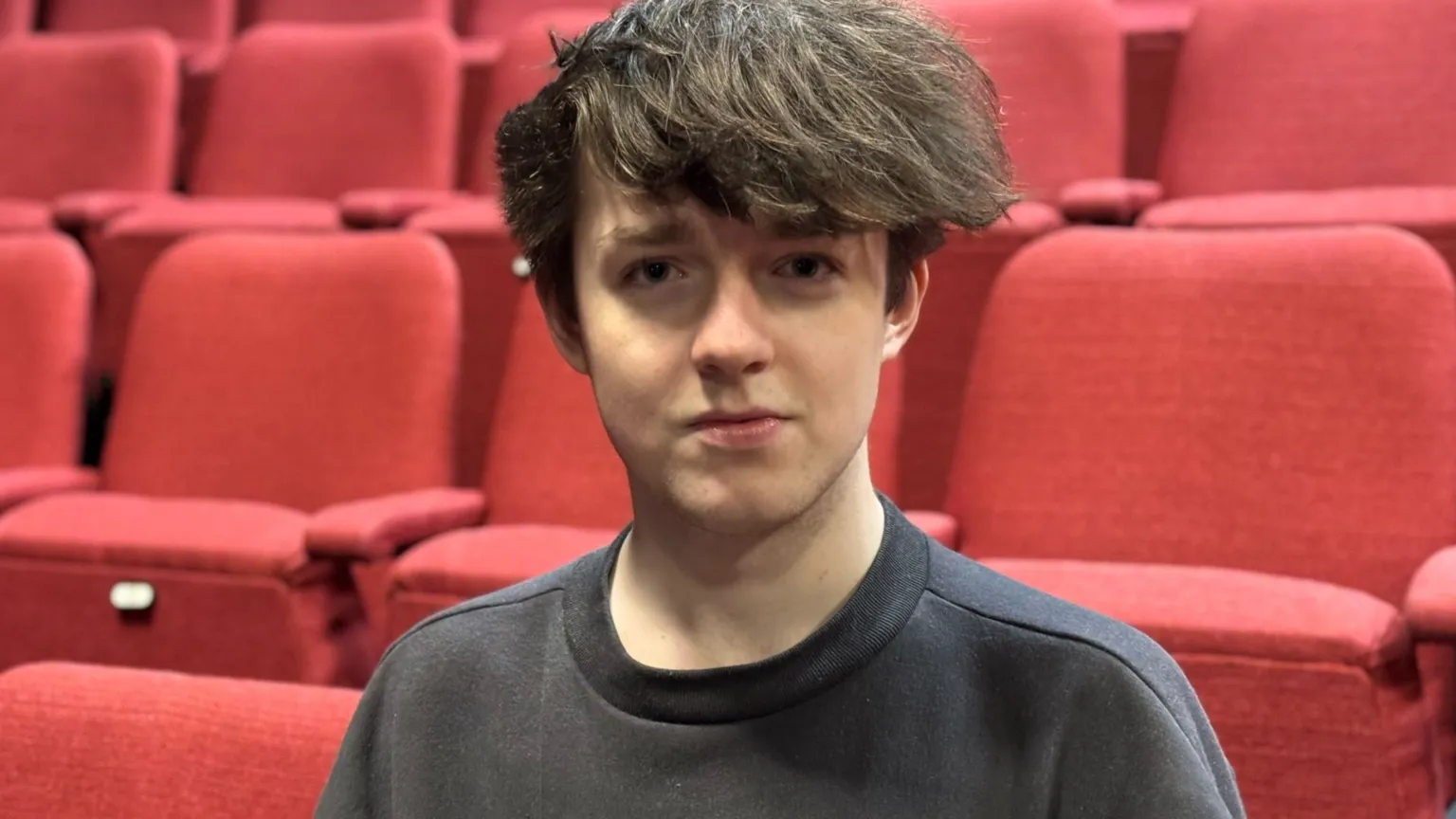
Caelum Devlin, a 20-year-old student from Coalisland, attended the performance.
"I was kind of speechless after it, it has definitely changed how I look at certain things and made me reflect on certain situations I've witnessed in the past,"
said Caelum.
Plot and Themes
The narrative focuses on two characters, Conor and Aidan, lifelong best friends whose relationship deteriorates when one crosses a boundary.
Caelum reflected on the play’s relevance.
"It has stayed with me because the themes of the play are more relevant than ever unfortunately. You just have to look at the news headlines and especially with the horrible misogyny on social media that young men can be so influenced by, so we need to be having this conversation out loud, and the play does that."
Audience Reactions
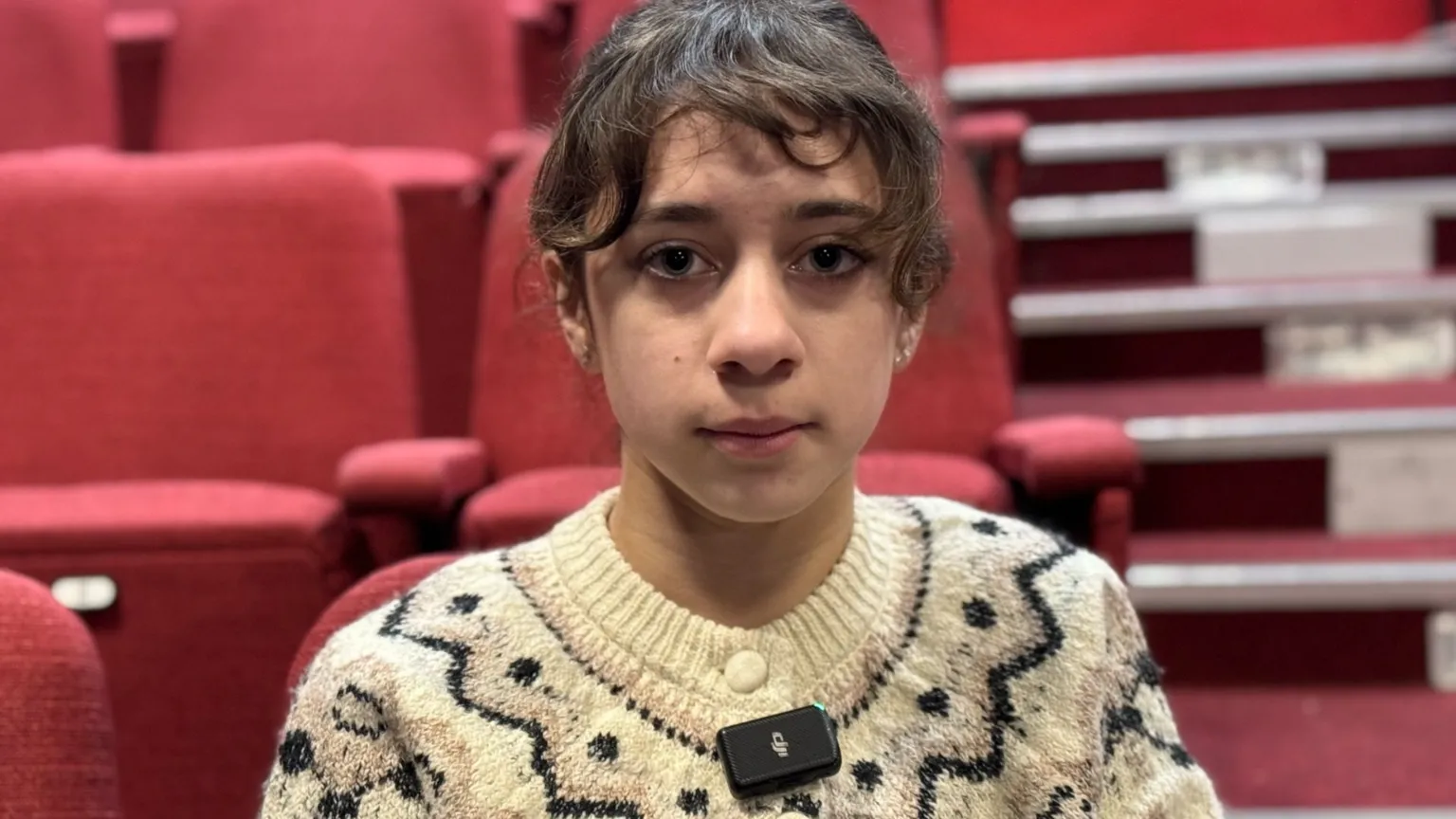
Fourteen-year-old Lillyanna also attended the play.
"On the one hand it was really eye opening, but on the other hand there were many behaviours that I immediately recognised sadly,"
she said.

"I was really struck by how the play shows how something that is said as a joke, can then build and build into something more serious, so it's important to address that behaviour early.
I think the play probably has given me more confidence to speak out about that type of behaviour towards women and girls, and that's a very powerful message for people my age to hear."
Production Details
The play was produced by Wee Yarn Productions and co-produced by Craic Theatre.
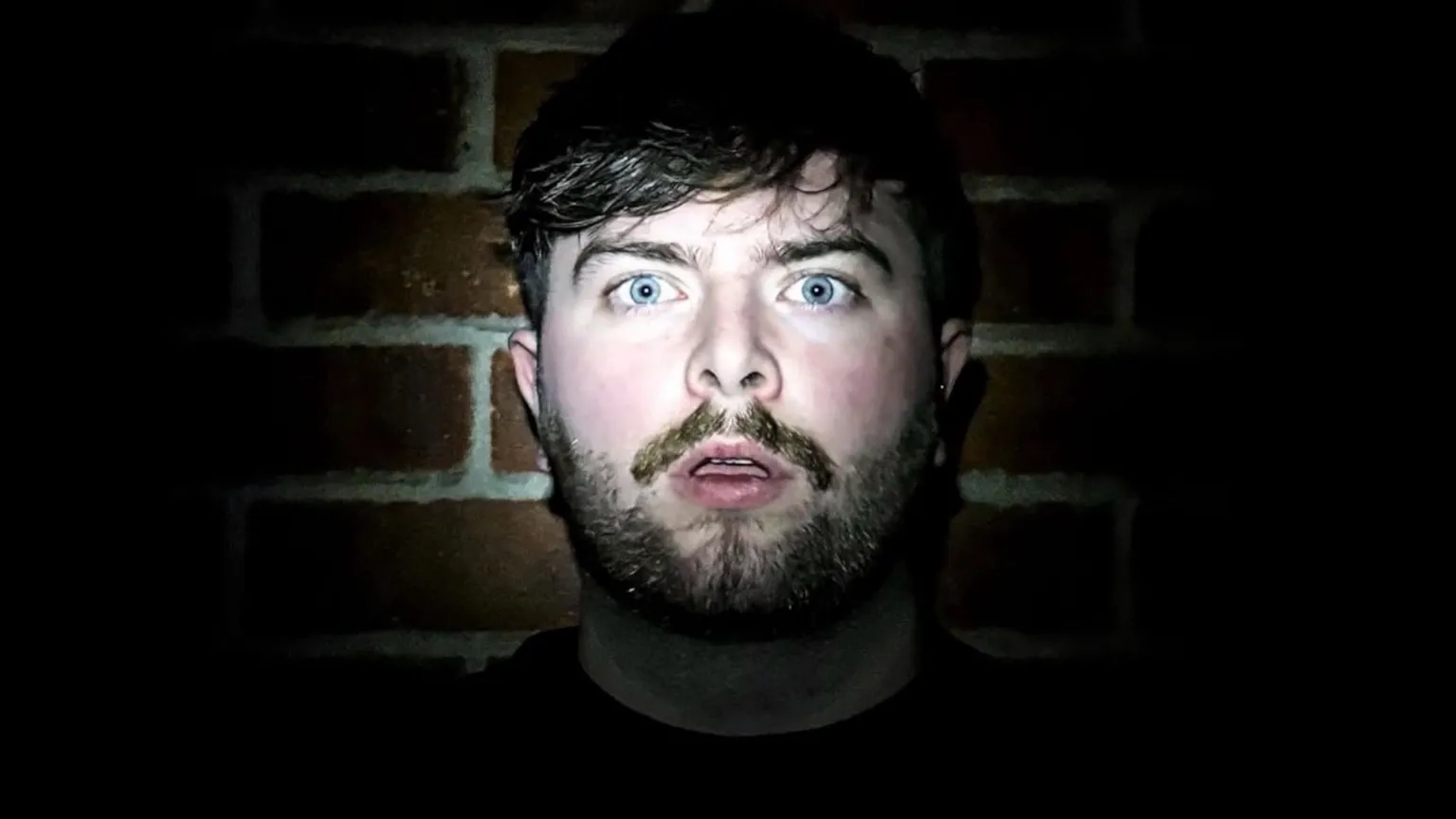
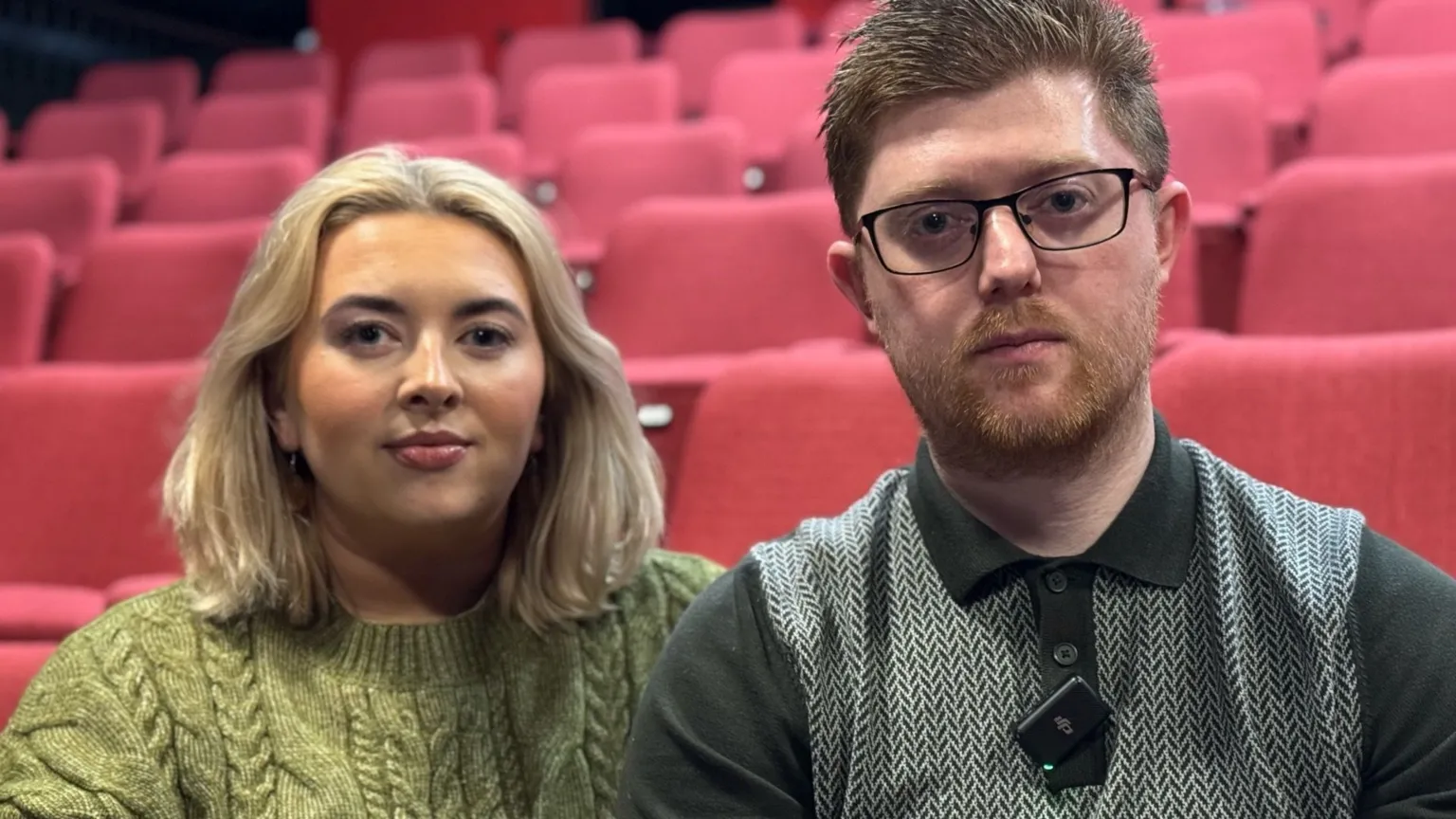
It was directed by Aoibh Johnson-Clarke, who hails from Coalisland.
"The obvious choice was for me as a woman to write something about the experience of women, but actually it's about men so I felt it needed to be written by a man."
The script was penned by Aoibh’s husband, Cahal Clarke.
"It explores the line between 'being an active bystander and calling violent behaviour to account'.
I think initially I just had to look close to home and my own opinions and experiences of men's attitudes.
It's very easy to say as a man that you wouldn't engage in violence towards a woman, but it's about looking at the things that we are complicit in that we watch happen and don't say anything about, hence the name 'Called Out'."
Aoibh noted the authenticity of the script but emphasized the need to incorporate the female perspective.
"I felt the script was unapologetically real, very much rooted in this place we live in, but I felt we also needed some way to reflect the female experience.
So we made the decision to feature audio within the play of extracts from real accounts of women who have survived abuse, and when it comes to that part you can hear a pin drop."
Family Connection and Social Impact
A strong family link is present in the production, as the one-man show is performed by Aoibh’s brother, Rónán Johnson.
The play’s timing is significant, given that since 2020, 30 women have been violently killed in Northern Ireland. In all but one case, the perpetrator or suspected perpetrator was male, and in most cases, the man was known to the woman.
Aoibh views the play as a call for change and empowerment in County Tyrone and beyond.
"The feedback has been amazing; a lot of young men have talked about how they're really thinking about these issues properly for the first time.
We've had schools telling us about numerous young women coming forward with disclosures after the play and seeking help - that's art impacting real change."
Commission and Future Plans
The play was commissioned by Mid Ulster Council in partnership with Coalisland's Craic Theatre, supported by the Education Authority as part of Stormont's Ending Violence Against Women campaign.
Its initial run at Craic Theatre ended in late March, with hopes for wider performances across Northern Ireland in the near future.
If you have been affected by any of the issues discussed, support is available through BBC Action Line.


