

Opera's Rising Cultural Relevance
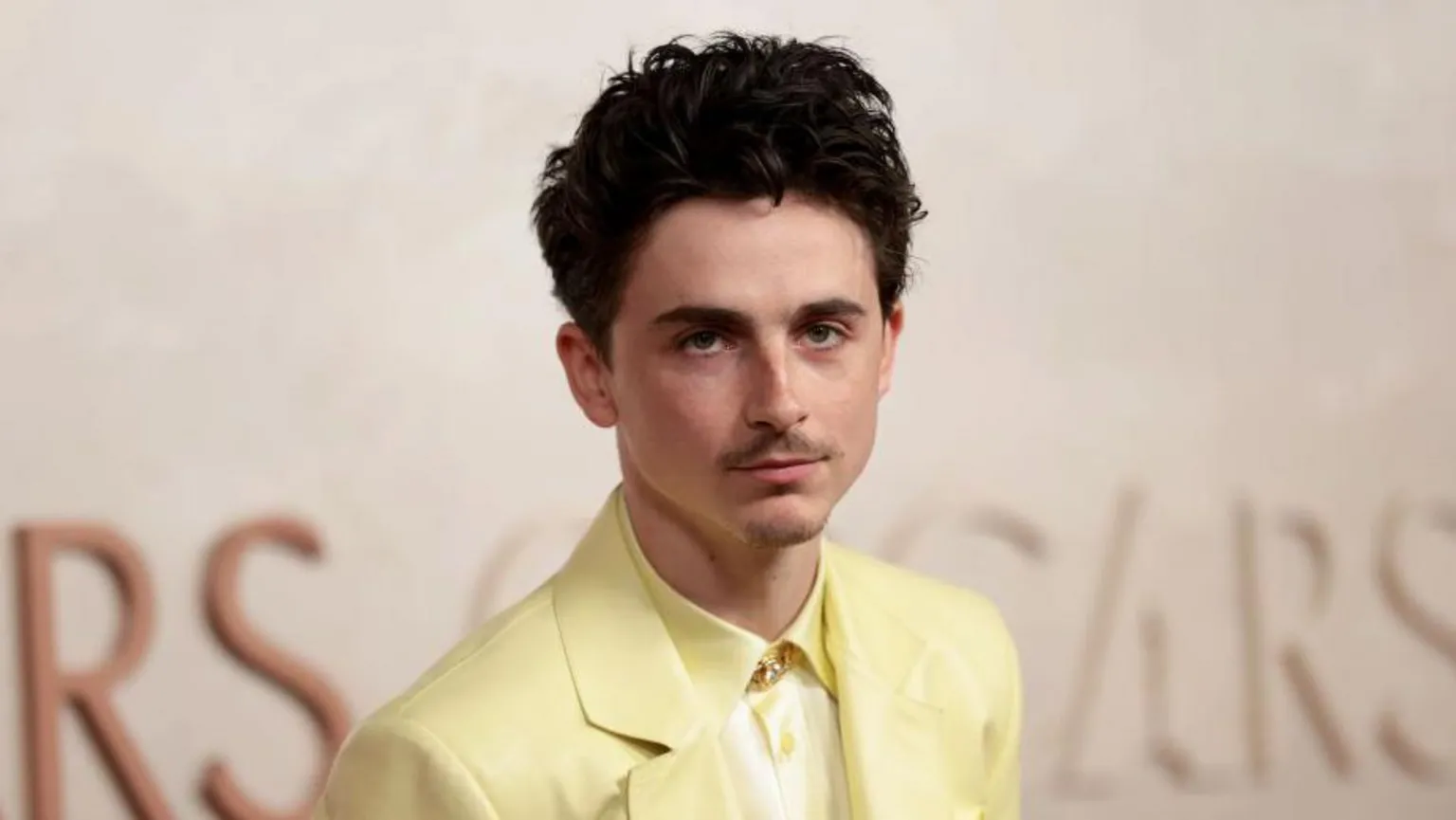
While Hollywood actor Timothée Chalamet once described opera as an art form "no one cares about," leaders of the Welsh National Opera (WNO) contend that opera has never been "more culturally relevant." Marking eighty years since its inaugural performance, the WNO attributes a recent surge in passionate support to the chart-topping success of Spanish singer Rosalía and the growing popularity of "opera aesthetics" on social media platforms.
"At the moment we live in a time, where opera, strangely, has been more culturally relevant than maybe it has been for a long time," said Adele Thomas, co-director of the WNO.
"I think that's where people get put off, thinking this is an historic re-enactment rather than a work of art."
Thomas emphasized that opera does not feel like an art form from a bygone era, countering the perception that it is merely a historical reenactment rather than a vibrant artistic expression.
Rosalía, who is classically trained, achieved critical acclaim with her opera-influenced album Lux, topping numerous year-end polls. Her music has inspired a wave of TikTok videos, amplifying her reach among younger audiences. Notably, her performance of the album's lead single "Berghain" alongside Bjork, a full orchestra, and a youth choir at the Brit Awards in February introduced her to a broader public.
Classical music experts have also highlighted the impact of composers like Vivaldi, whose works have been fused with hip hop and pop elements, contributing to this renewed interest.
Pinterest reported that "opera aesthetics," characterized by "dramatic, opulent and theatrical styles," is among its fastest growing trends, with a 55% increase in searches for opera-themed dresses over the past year.
"Opera has the potential to be a valid, living, contemporary art form which draws upon so many other different types of art, design, action, other types of music, different types of performance,"
Thomas added, underscoring opera's capacity to integrate diverse artistic disciplines.

The Origins of the Welsh National Opera
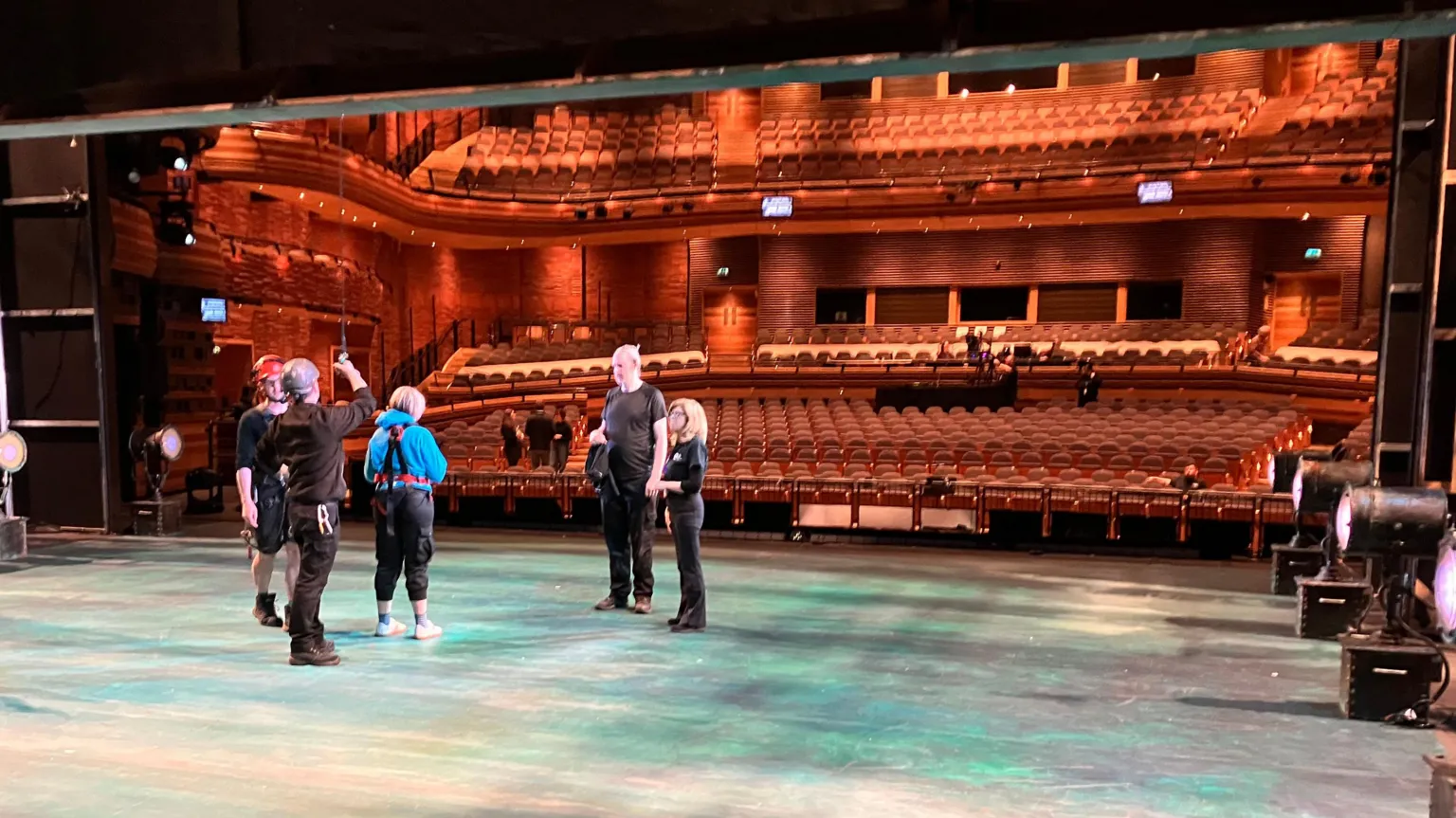
The WNO's journey began on 15 April 1946 with its first performance at the Prince of Wales theatre in central Cardiff. The venue, now a popular pub for Six Nations rugby fans, has a varied history, having served as a theatre and even an adult cinema.
The company was founded during the Second World War by 60 amateur singers from across south Wales, including miners, teachers, railway workers, and a butcher. For their debut performance, the principal singers wore their own costumes, and a "scratch" orchestra was assembled from local musicians. The cast members were involved in sewing costumes and painting sets up until opening night.
Challenges and Resilience
In recent years, the WNO has faced significant difficulties. Campaigners report that funding cuts reduced the company's budget by a quarter, forcing management to scale back touring and leave vacant positions unfilled. At one point, discussions considered making the orchestra part-time before a resolution was reached.
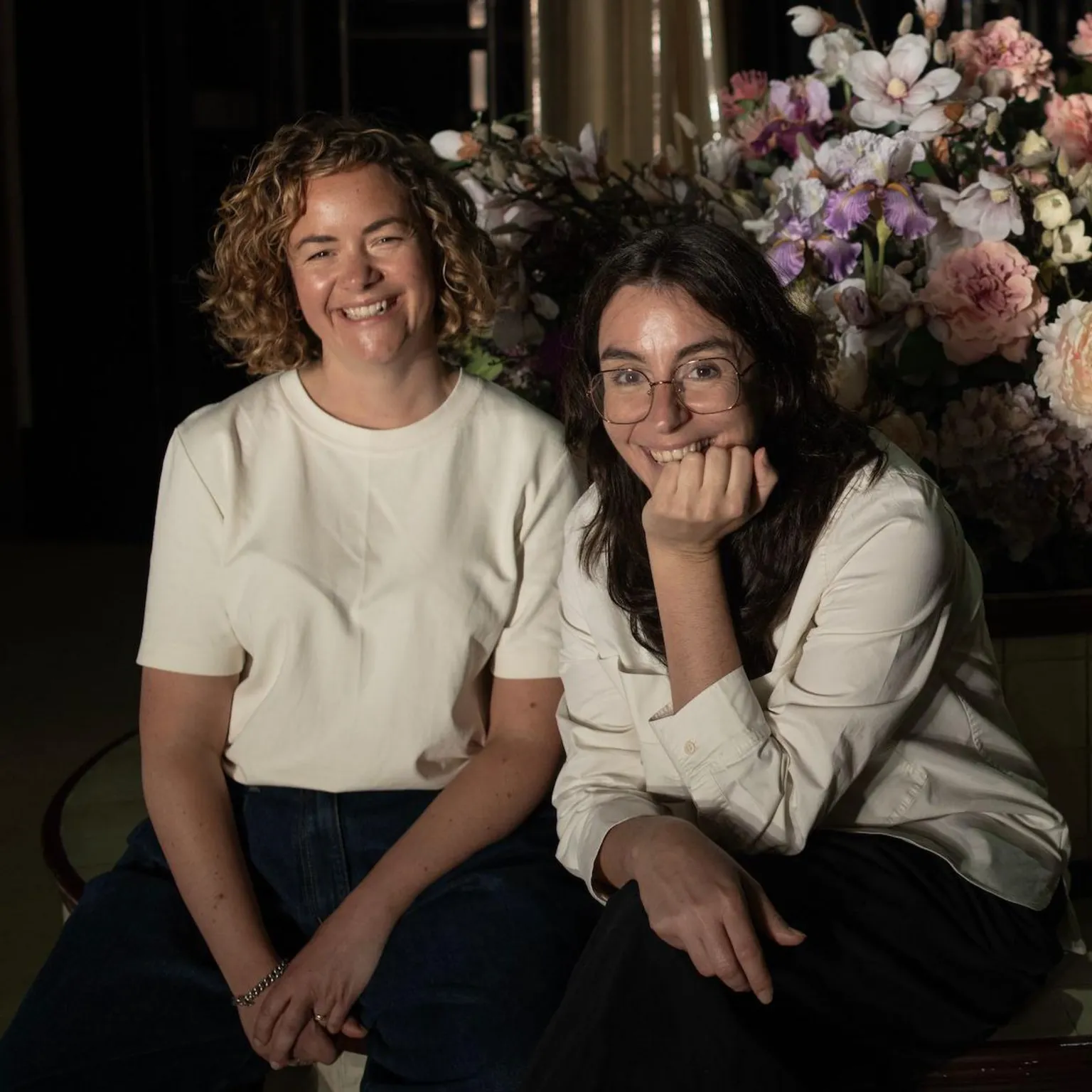
Sarah Crabtree, appointed co-director alongside Adele Thomas in January 2025, reflected on the impact of these challenges.
"In a strange way the crisis has made people think, this actually is a meaningful cultural organisation that's at the heart of Welsh culture."
She described the recent period as one of reflection and rebuilding, with a focus on establishing a sustainable foundation for the company.
"The company feels much more settled than a year ago and it's a battle not just for WNO but for opera as a whole and the arts and cultural sector in Wales, the UK and well beyond."
Despite the professional evolution over the decades, Thomas noted that the WNO's origins as an amateur ensemble continue to influence its identity.
"The fact it was born 80 years ago from a group of amateur singers, that permeates everything in this company and the country as a whole."
She also highlighted the WNO's unique connection to Wales, stating it feels "very owned by the nation, in a way that opera doesn't, and feels much more remote, in England."


