

Turner Prize 2026 Shortlist Announced
The shortlist for this year’s Turner Prize includes a range of innovative artworks, such as an hour-long spoken word performance and metal sculptures that explore the human condition.
An artist who delivered an hour-long spoken word piece reflecting on his upbringing in Huddersfield, and another whose sculptures investigate the political history of oil, have been nominated for the prestigious award.
Simeon Barclay has been nominated for his performance The Ruin, while Tanoa Sasraku is recognized for her solo exhibition Morale Patch. They join Kira Freije, shortlisted for her first major solo exhibition Unspeak the Chorus, and Marguerite Humeau, nominated for her solo exhibition Torches.
The Turner Prize is one of the world’s most renowned awards in the visual arts, aimed at fostering public discussion on new developments in contemporary British art.
Jury Chair Comments on the Selection
Alex Farquharson, director of Tate Britain and chair of the Turner Prize jury, described this year’s selection as presenting “a rich and diverse range of work, spanning installation and performance, and with a strong emphasis on sculptural practice.”
“Each artist invites us into carefully constructed scenarios, both real and imagined, that offer distinct perspectives through which to explore the world around us, and to reflect on our place within it.”
Details on the Shortlisted Works
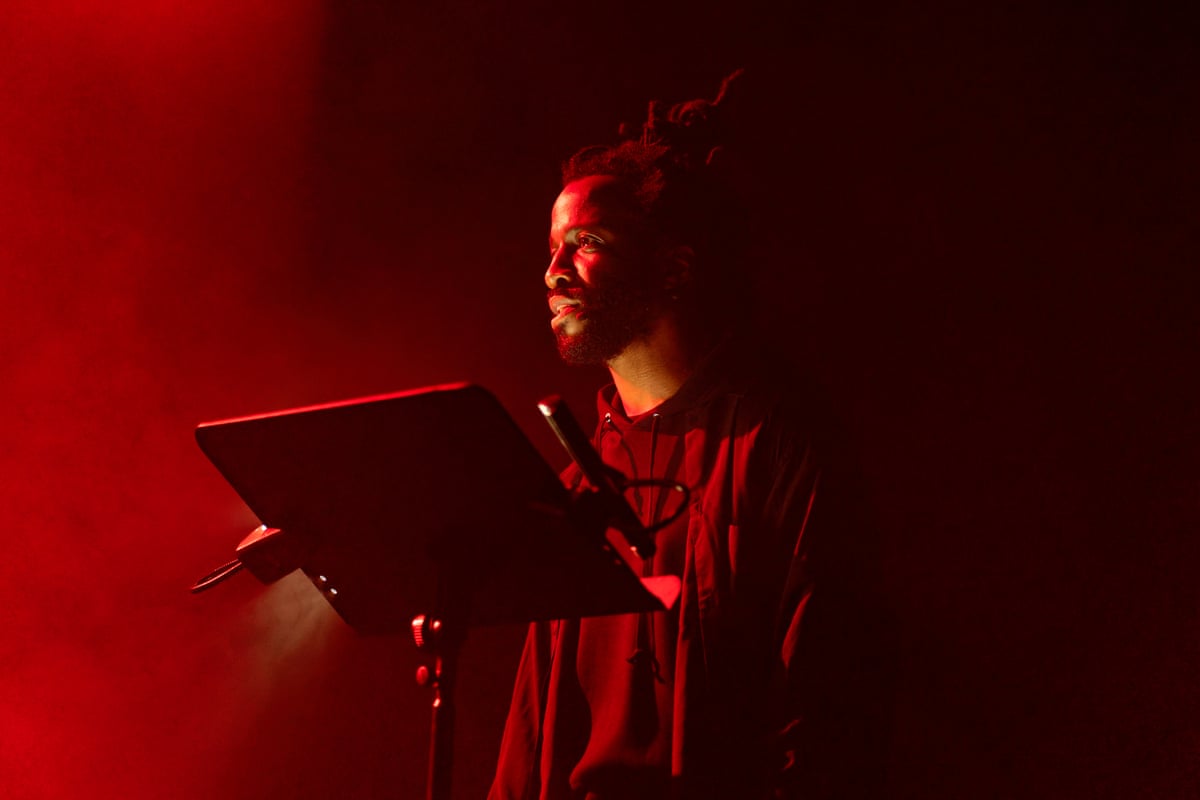
Barclay’s The Ruin, the sole performance piece on the shortlist, combines spoken word with live percussion. It draws on Barclay’s upbringing in Huddersfield and his lived experience of the industrial landscape of northern England.
The jury praised Barclay’s debut performance for its exploration of themes such as Britishness, class, race, and masculine identity, achieved through an evocative and experimental use of language alongside a psychologically immersive soundscape.
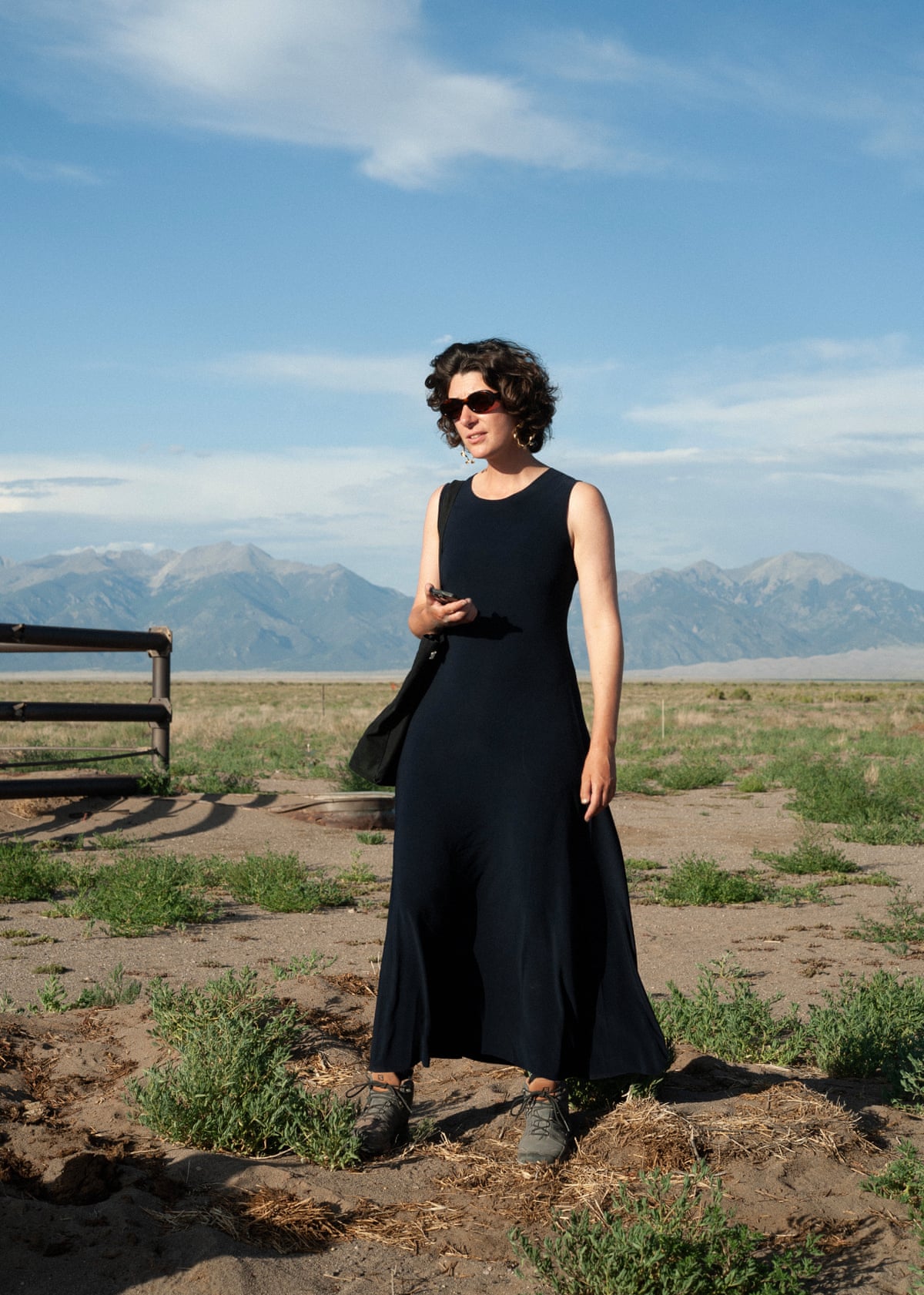
Freije’s Unspeak the Chorus, exhibited at the Hepworth Wakefield, features sculptures made from metal, fabric, and found materials. The exhibition includes lifesize figures constructed from bare metal armatures with expressive stonecast faces posed in ways described by Tate as “at once unsettling and beautiful.”

The jury highlighted the emotional depth of Freije’s work and commended the haunting and expressive transformation of the exhibition space through her arrangement of figures.
Humeau’s Torches, shown at Aarken Museum of Contemporary Art in Copenhagen, presents sculptures that blend references to natural species with otherworldly forms. These are displayed within a looped cycle of light and sound.
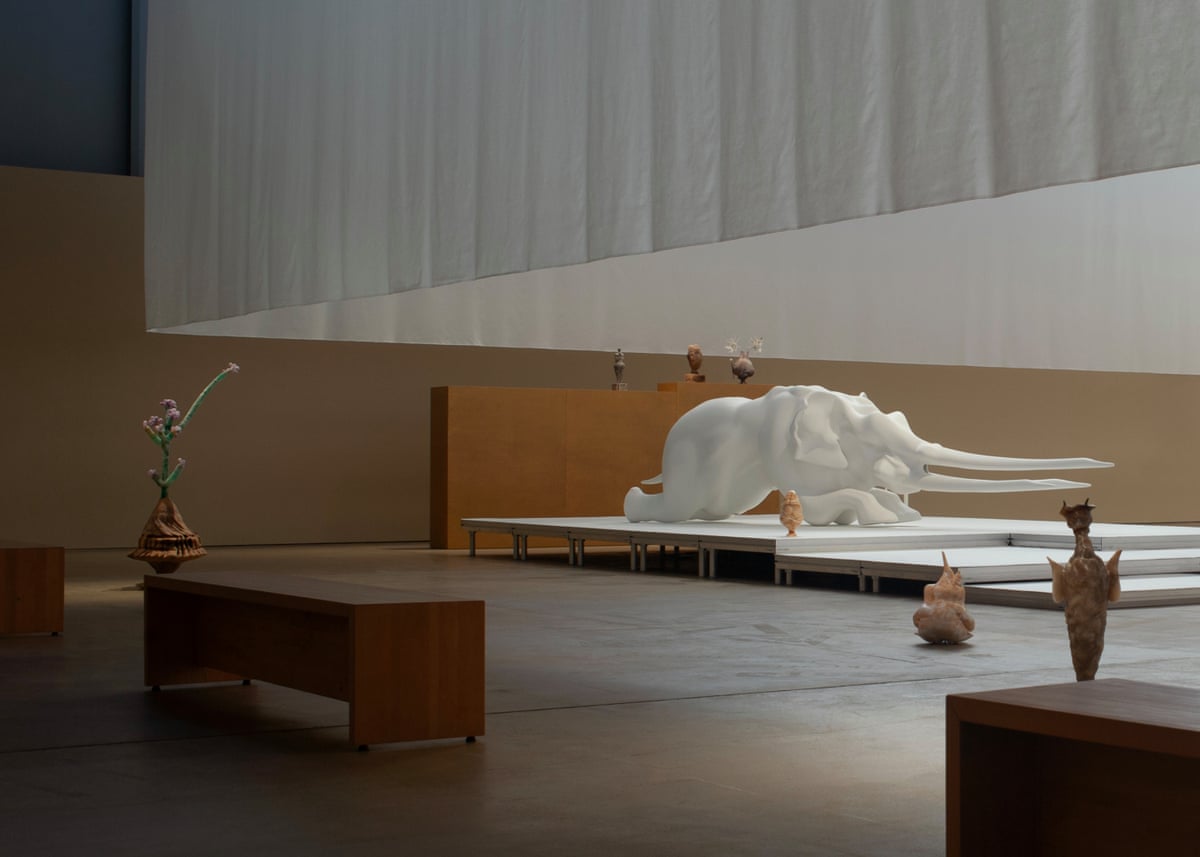
The jury praised Humeau’s cinematic approach to exhibition making and her engagement with ecological and existential themes. They noted her inventive forms, speculative scenarios, and dynamic shifts in scale as key strengths.
Sasraku completes the shortlist with her exhibition Morale Patch, presented at the Institute of Contemporary Arts in London. The show explores geopolitical themes through object-like sculptures, works on paper, and film, focusing on recent political and military histories related to oil.
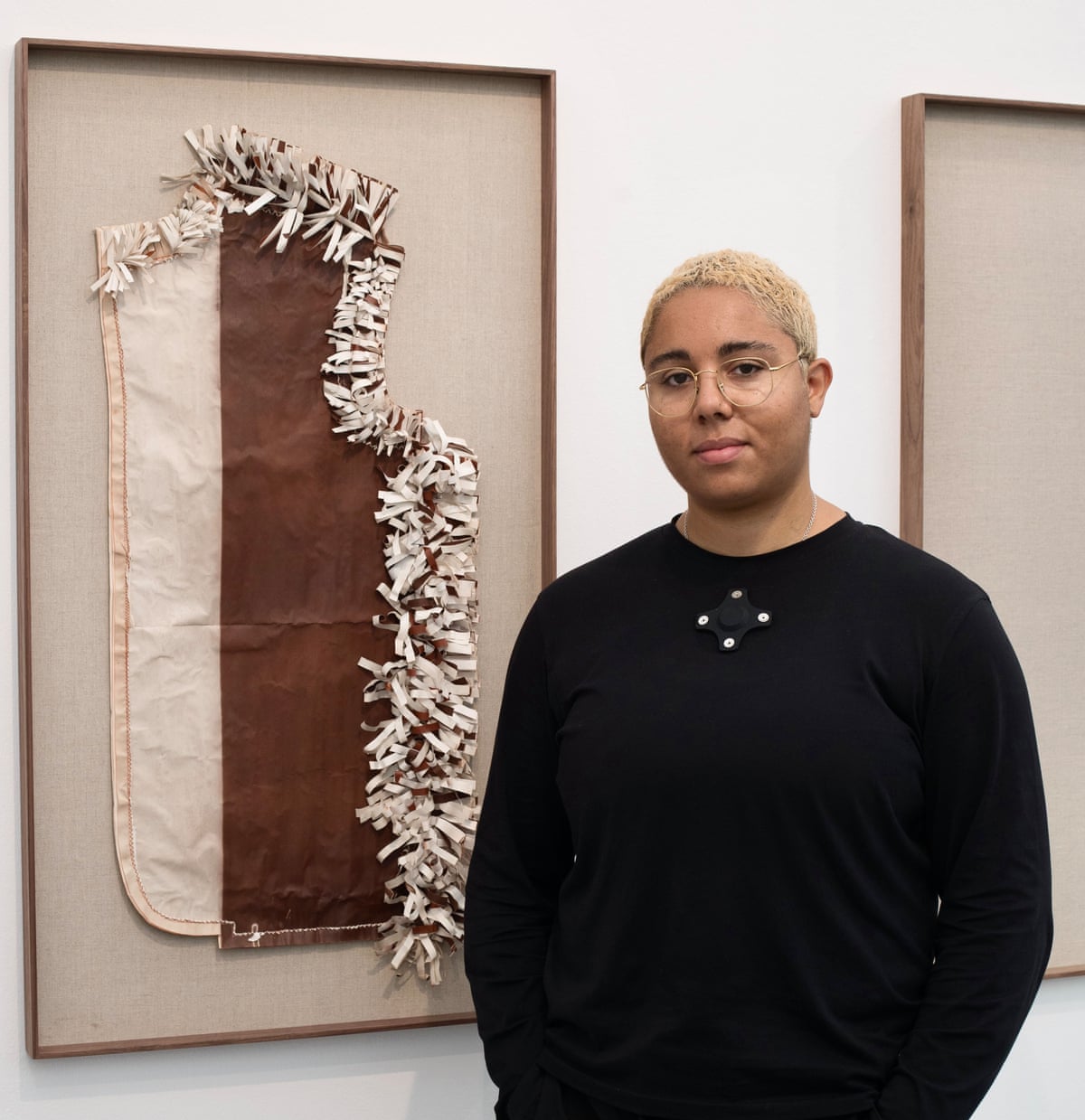
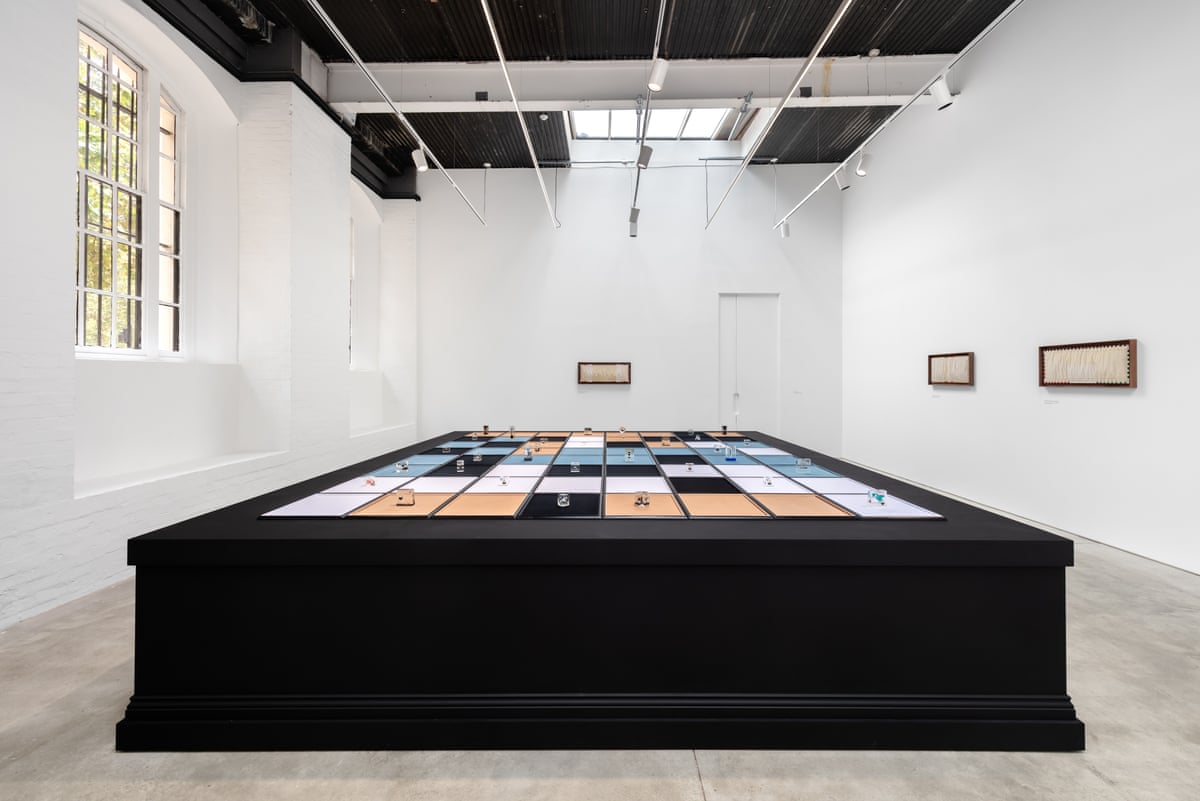
The judges commended the precision and sophistication of Sasraku’s installation, emphasizing its ability to address complex historical issues with strong contemporary relevance.
Exhibition and Award Details
An exhibition featuring the shortlisted artists’ works will take place at Teesside University’s Middlesbrough Institute of Modern Art (Mima) from 29 September 2026 to 29 March 2027. The winner will be announced during a ceremony at the gallery on 10 December.
The winner will receive £25,000, while each of the other shortlisted artists will be awarded £10,000.
Dr Laura Sillars, director of Mima and dean of culture and creativity at Teesside University, commented on the significance of the event:
“This shortlist promises an extraordinary Turner Prize exhibition at Teesside University’s cultural heart, MIMA. We all look forward to working with the artists over the coming months in Middlesbrough, a place with a strong and growing cultural confidence.
As the first Turner prize within a university setting, this moment creates a special context, where contemporary art can inspire discussion, dialogue and new ways of thinking.”


