

From Sheffield to Hollywood: Jim Ghedi’s Unexpected Film Scoring Journey
Last year, while enjoying a chicken dinner at his mother’s house in Sheffield, Jim Ghedi noticed something unusual on his phone.
“This director started following me on Instagram,”he recalls.
“And there’s pictures of him with Nicolas Cage. As a joke, I said to my mam: ‘I might message him and say, let me do your next film score.’ As I said it, he messaged me, saying: ‘I want you to do my next film score.’”
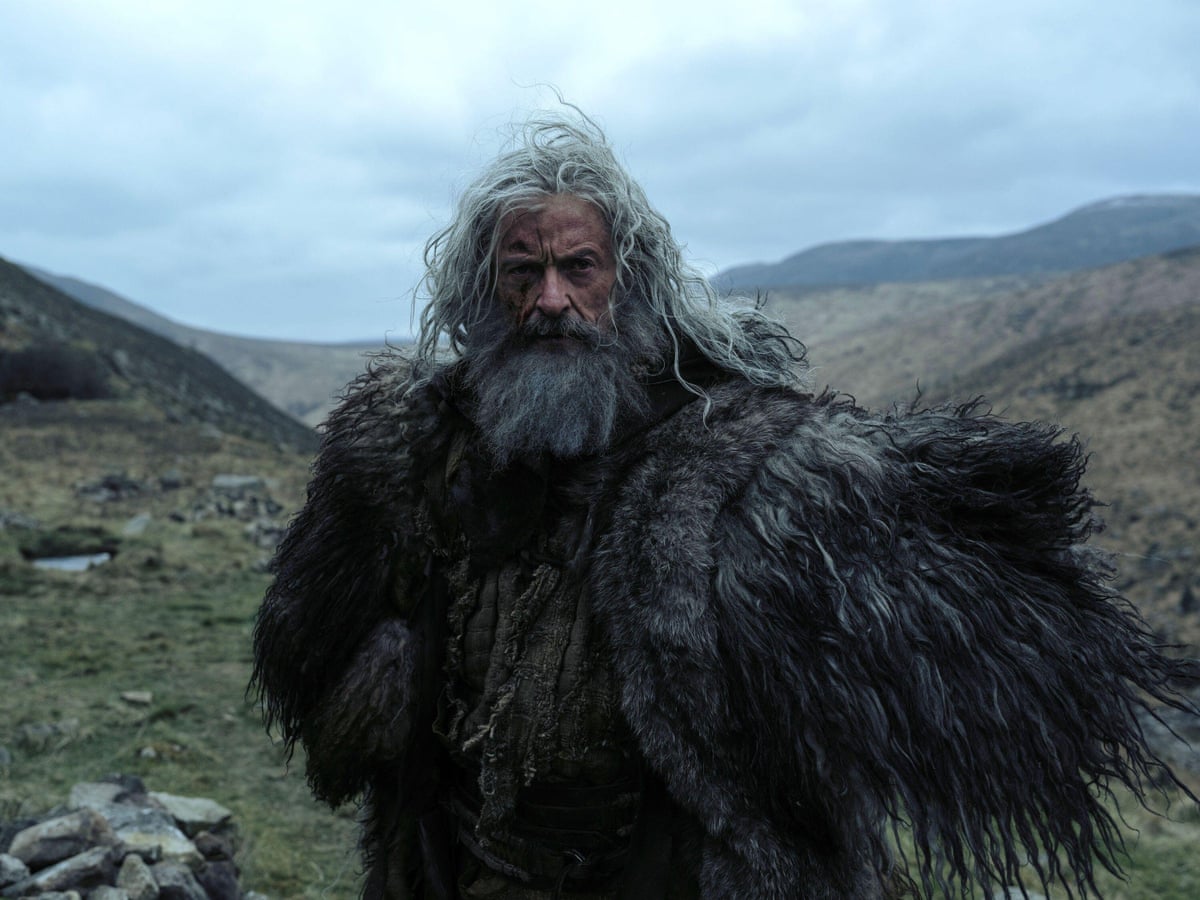
The director was Michael Sarnoski, and the film in question is the upcoming A24 production The Death of Robin Hood, starring Hugh Jackman and Jodie Comer. Sarnoski had discovered Ghedi’s 2025 album Wasteland, a critically acclaimed and brooding collection of apocalyptic folk music reflecting societal decay in England. Released on the small Calder Valley label Basin Rock, the album was Ghedi’s most ambitious and successful work to date, though it had not made him widely known. Ghedi initially doubted the film opportunity, thinking
“it would all blow away and they’d find out who I am. Some top producer would put up the red flag.”
Despite having no prior experience in film scoring, Ghedi was entrusted with the project. He quickly connected with Sarnoski through video calls and a mutual appreciation for Steeleye Span, ultimately composing both songs and the score. He describes the resulting music as
“quite doomy, earthy and dark”but also
“quite light and orchestrated.”
Although invited to work on the project in Los Angeles, Ghedi chose to remain in Sheffield. He admits to moments of self-doubt:
“There were moments when impostor syndrome was a real thing. It’s very rare for someone like me, and where I’m from, to get those kinds of opportunities. You don’t usually get to see that world. But I also had to think: ‘I’m being asked for a reason.’ I held tight to that.”
Musical Roots and Influences
Ghedi, now 35, received a guitar at age eight and quickly developed his skills. His teenage years were influenced by hip-hop and punk, with the lyrical themes of hip-hop resonating deeply.
“Hearing people talk about being raised by a single mum was like, whoa,”he reflects.
“Here’s someone artistically talking about something that I’m also experiencing in my life.”
His discovery of Bert Jansch was transformative.
“It was the first time I’d heard someone who played an acoustic guitar and it was not pretty,”Ghedi explains.
“It was really heavy and aggressive. So then I ripped him off for 10 years.”He sees a clear connection between hip-hop and folk music:
“Folk music, traditionally, was music for the working people, from the working people. Hip-hop and grime are the same.”

Ghedi’s early albums were instrumental, highlighting his dexterous guitar playing. Immersed in Sheffield’s DIY scene, he attended noisy, avant-garde gigs as well as folk sessions in pubs, where he found his singing voice. This blend of influences shaped his music, which combines traditional folk songs as allegories for contemporary issues alongside original compositions that explore experimental sounds.
Latest Work and Thematic Focus
His newest single, The Hungry Child, continues this trajectory.
“I’ve gone even further sonically,”he says.
“This one is bigger, doomier, darker, heavier.”The song is based on a German poem from the early 1800s, later translated into English by Judith Piepe. It tells a raw, visceral story of a child begging for food and being told to wait until it is too late.
Ghedi only engages with traditional material when he feels a contemporary connection. He explains:
“Sometimes, the time has to find you for it to make sense and do it with conviction. I was looking at where I’m from and thinking about working-class people who have repeatedly been let down, and how government failures have allowed starving people to continue to starve.”
Class and Identity in Folk Music
Class is a central theme in Ghedi’s music and outlook. Reflecting on his younger years, he says:
“When I was younger, I was really naive and I tried to assimilate. But I realised: I need to own where I’m from. I’m not trying to be a spokesperson, but the folk scene is very middle class. The divide and the drop-off is huge, and in some ways, the disparity is worse now than when I started.”
He believes that the current economic climate would make sustaining a music career like his more difficult today.
“Had I begun my practice today, or even in the past five years, in the current [economic] climate, I don’t think I would have been able to sustain doing it. It’s important to raise awareness but also for that kind of working-class voice to have a place within the material. It’s become more important to me as I’ve got older – it’s so entwined and ingrained in what I’m doing.”
Perspective on Success and Creativity
Ghedi’s path to scoring a major film like The Death of Robin Hood is uncommon but encouraging. Despite enjoying the experience and praising the film team, he remains grounded about his career.
“As long as I stick to focusing on creativity, nothing else matters,”he states.
“Whether I’m playing to 10 people in a room or 1,000, it’s the same for me.”


