

The Britpop Battle Recreated on Stage
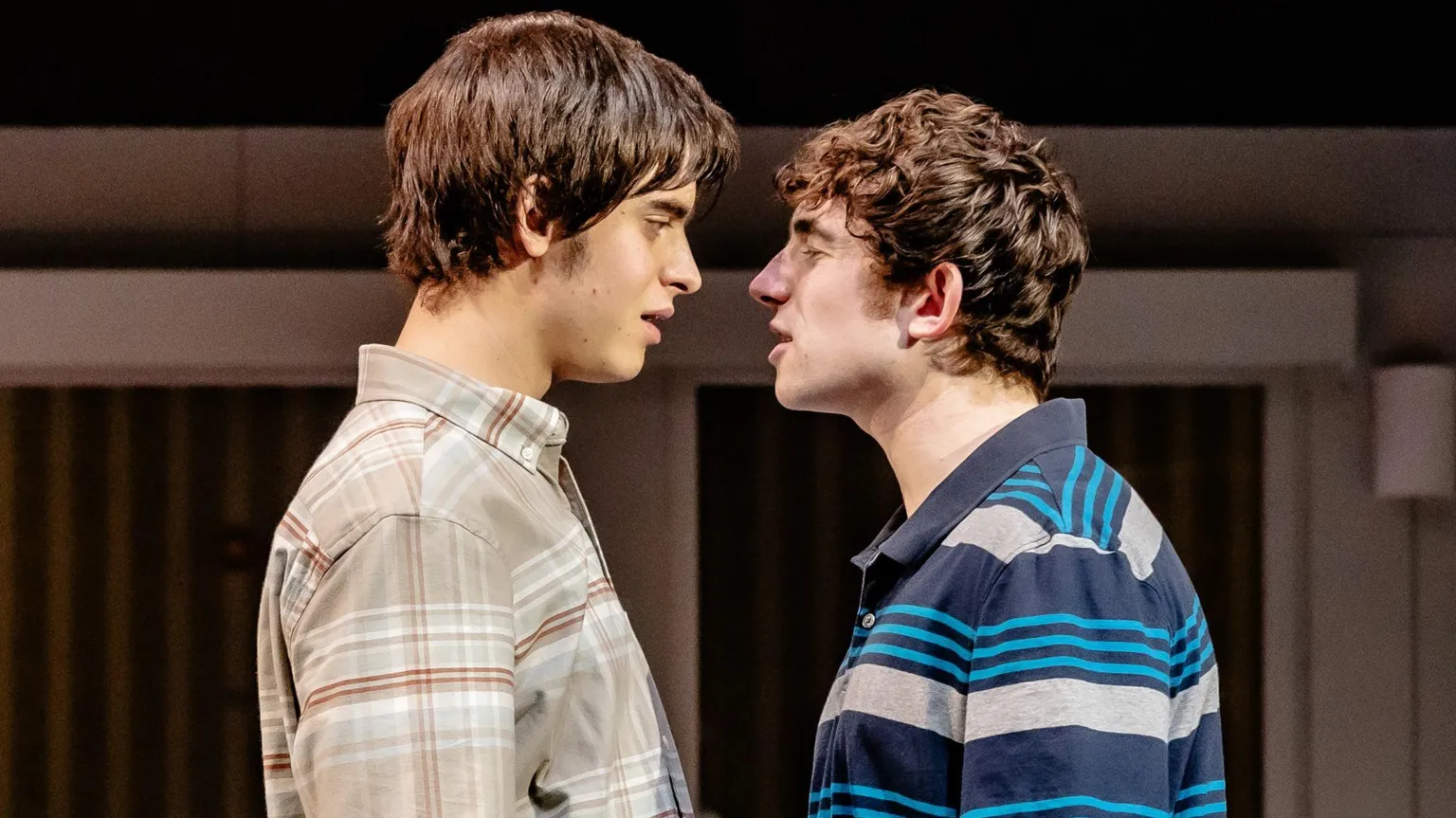
The much-publicized 1995 Britpop rivalry between Oasis and Blur has been brought back to life in a new theatrical production where the cast members openly take sides.
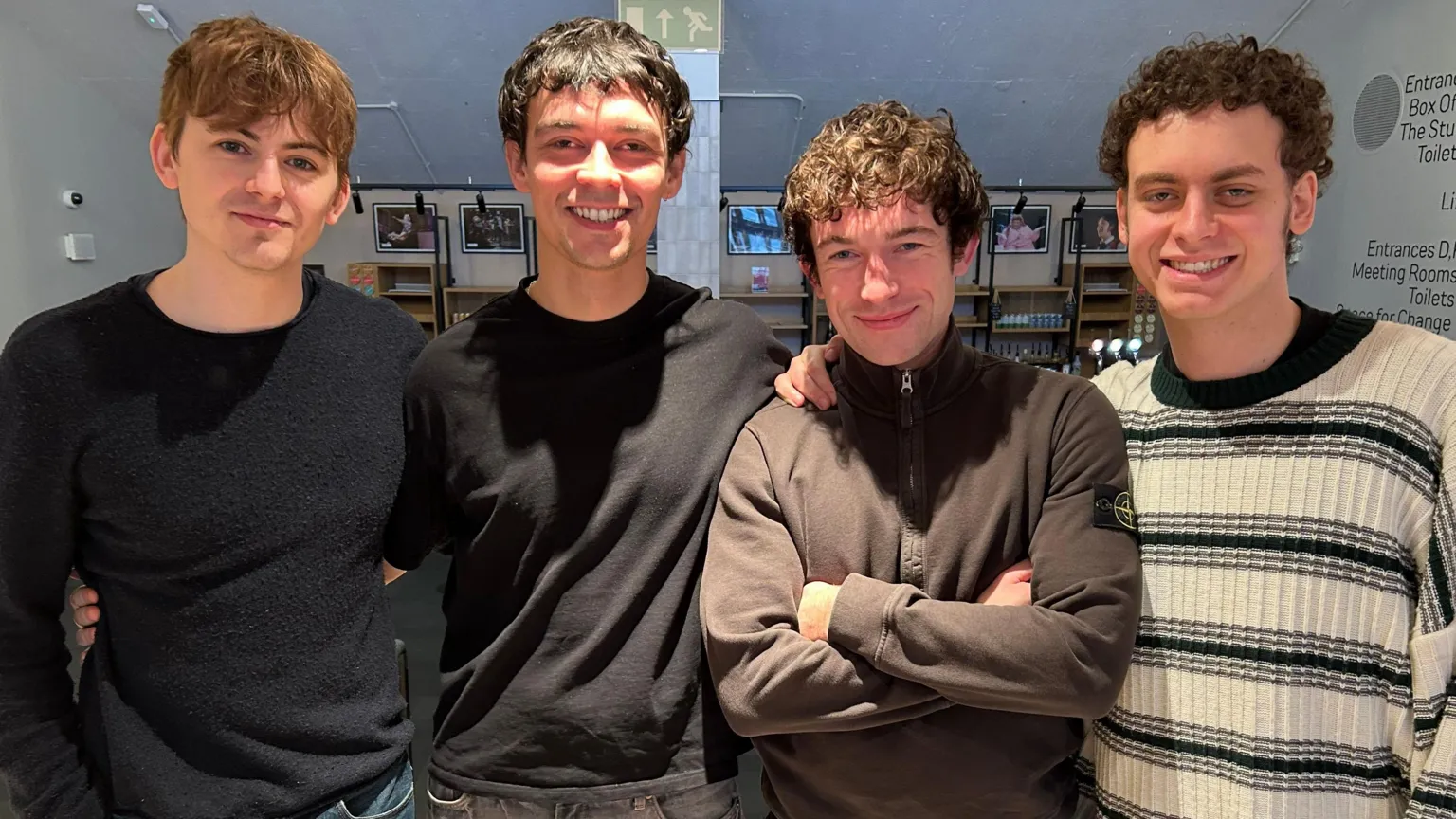
At 21, George Usher has spent most of his life unknowingly preparing for his first professional acting role—that of Liam Gallagher.
"My dad was always massively into Oasis, so I grew up listening to it, and I was always such a big fan of him and how funny he is," he says. "So to get to play him is just a dream."
When asked to choose between the two Britpop bands, Usher naturally supports Oasis. Alongside him, Paddy Stafford, who plays Liam's older brother Noel Gallagher, slips into character to declare:
"Greatest band in the world, do you know what I mean?"
However, the actors portraying Oasis's rivals take a different stance.
Oscar Lloyd, cast as Blur frontman Damon Albarn, insists Blur are superior. "Team colours, man, we've got to represent," says the 27-year-old, whose floppy hair and youthful face resemble Albarn.
"It's the way they've reinvented themselves so many times. He just is clearly a musical genius."
The actors star together in The Battle, which has recently opened at the Birmingham Rep theatre. The play dramatizes the chart race that culminated in a sometimes bitter feud between Britpop's two biggest bands, a rivalry that divided fans and captivated media attention.
Unlike the real-life animosity between the bands, the rivalry among the cast members remains entirely amicable.
Though portraying Liam Gallagher, Usher admits to having an appreciation for Blur as well.
"I probably shouldn't be saying this. It feels a bit wrong," he confesses. "But yeah, I do like them. They're not as good as Oasis - but you know, they've got some tunes."
Britpop's Enduring Legacy
Three decades after reaching the peak of British music, both bands continue to command significant interest from original fans and a new generation raised on their songs.
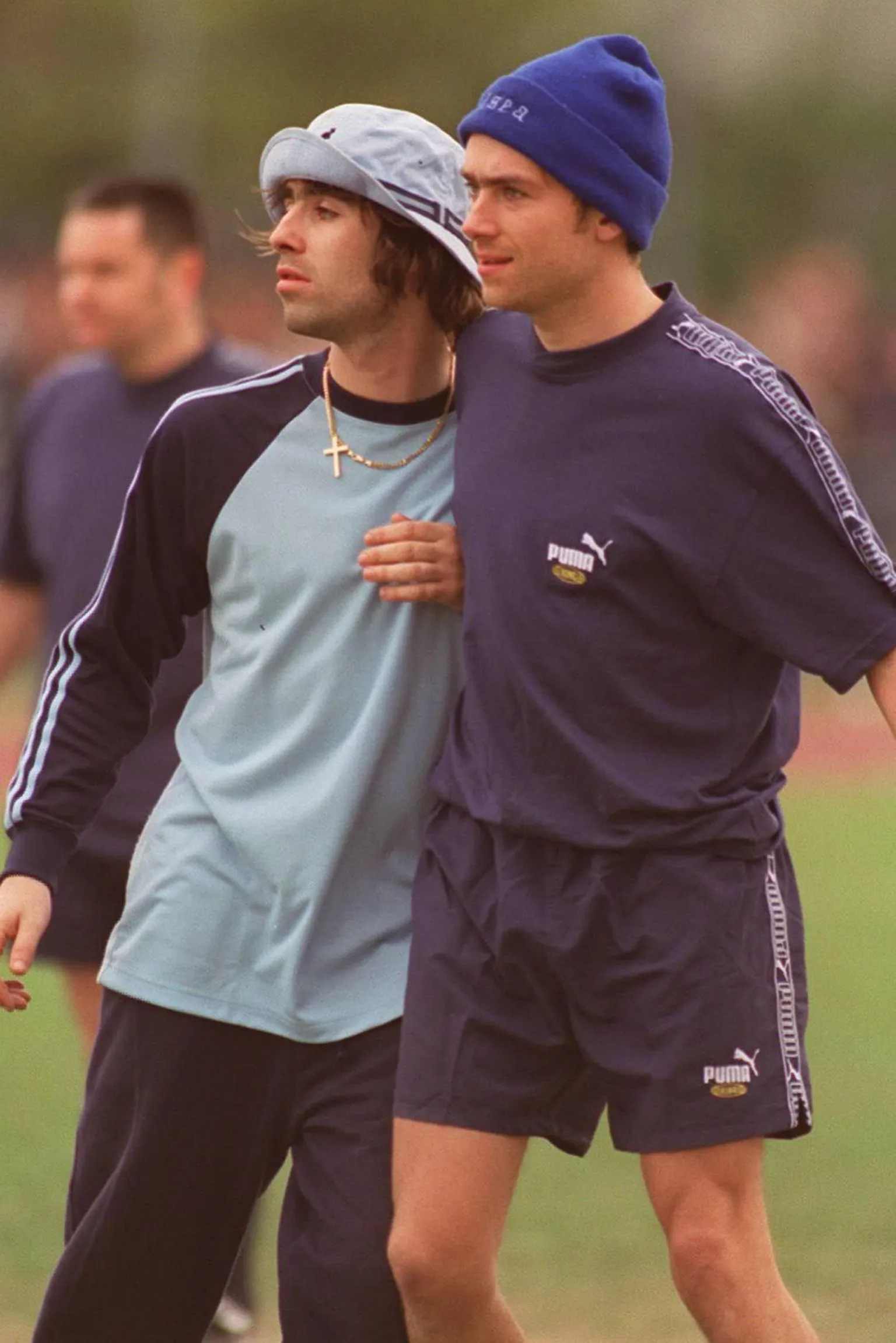
The bands began 1995 on friendly terms, but as their immense success grew, so did comparisons and competition.
"By the time you get to July and August, they're literally wishing death on each other and the knives are out," says writer John Niven. "So as a dramatist, you think, well, how did we get to that in five months?"
Niven is well-positioned to tell this story. He was employed by a record label in 1995 and is best known for his 2008 novel Kill Your Friends, a vivid account of sex, drugs, and violence in the 1990s music industry.
The tension between Blur and Oasis began when Liam Gallagher made remarks about Damon Albarn's then-girlfriend, Elastica singer Justine Frischmann, and when Blur attended an Oasis party uninvited.
Noel Gallagher sparked controversy by saying he hoped Albarn and Blur bassist Alex James would "catch Aids and die," a statement for which he later apologized.
When Oasis scheduled their single "Roll With It" for release a week before Blur's "Country House" in August 1995, Blur feared being overshadowed and moved their single's release date to coincide, setting up a direct chart confrontation.
The chart battle was framed as a class conflict, with the press portraying it as loud, working-class northerners versus art-school, middle-class southerners.
The NME's front page dubbed it the "British heavyweight championship," and the wider media eagerly followed the story. A BBC TV News report covering the chart battle is remembered as a milestone when alternative music culture broke into the mainstream.

Educating the New Generation
Niven has been educating the young cast about the historical context.
"It's hard to explain to them how something like this could dominate the entire culture - that it would be on every music paper, every broadsheet, every tabloid, the 10 O'Clock News at night," he explains.
"Now, of course, everything's so fragmented. Somebody can have 30 million TikTok followers and play Wembley Arena, and I would never have heard of them.
Whereas back then, the only way you got success was via the press or the TV or radio. So people from six to 60 would be across the Blur/Oasis thing."
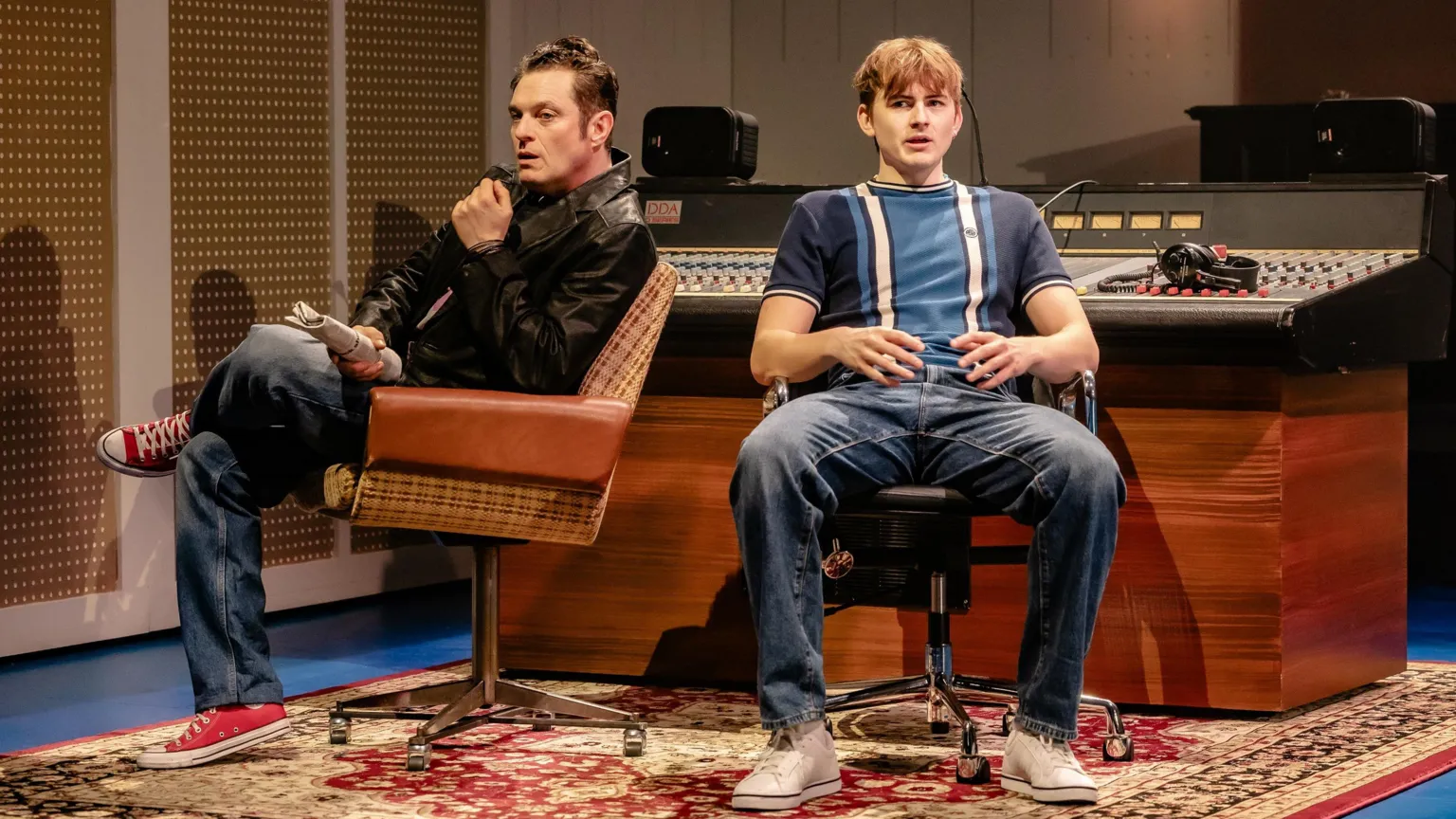
Matthew Horne, known for his role in Gavin and Stacey, plays Blur's record label boss Andy Ross and recalls those times fondly.
"Starting this job was quite overwhelming for me," he says. "I didn't realise how nostalgic it would be.
I was 16 or 17, and being part of that movement, plus all the other bands, really gave me a sense of belonging as a teenager and solidified my passion for music, which I have now."
He reflects on the Britpop era as "a seminal movement" in British music.
"And it's a movement in British music, certainly, that won't ever be replicated, just because of the nature of the landscape of the music industry. Hopefully that's what this play brings out."
Cast and Creative Team
The Battle is directed by Olivier and Tony Award-nominated Matthew Dunster. The cast also includes Harriet Cains from Bridgerton as Justine Frischmann and Louisa Lytton from EastEnders as Noel Gallagher's then-girlfriend Meg Mathews.
Lytton observes the audience's enthusiasm.
"We're seeing people turning up to the theatre in Blur or Oasis T-shirts," she says. "It takes people back to, hopefully, a really great time in their lives. You can see it on their faces.
And we're really pleased it's bringing in a whole new audience, because that's what theatre needs."
The actors portraying the Gallagher brothers were among the approximately one million fans who attended Oasis's highly successful reunion tour last year. Usher describes it as the next best experience to witnessing their 1990s peak firsthand.
"It was a time when the style was unbelievable, which is shown in this play, but just living such a free life without everything being on the phone.
That was what was amazing going to see Oasis - it's like being transported back to that time, and I think that's what this show maybe does for people as well."
Contrasts Between Eras
Lloyd, portraying Damon Albarn, notes the differences between the 1990s and today.
"It's nuts because it's 30 years ago, but [this play] kind of feels like a period piece," he says. "To us, it does feel so different.
We're doing a lot of party scenes and it's very easy for us to forget that there'd be a big difference in going to a party when no-one's got a phone and everyone's locked into this shared atmosphere.
Maybe the hedonism of the time is a little bit different, where I feel like we're all quite censored a bit more nowadays in what we say and what we do."
Brandon Bendell, who plays Blur's Alex James, agrees that modern music stars experience more scrutiny.
"Yeah, [they're] more followed, monitored. I think pop stars, rock stars, they had a bit more freedom back in the day to act however they wanted without repercussions."
The Outcome and Legacy
Regarding the story's conclusion, although based on real events, many audience members are unaware of who won the chart battle.
Niven recently appeared on a podcast where the host asked listeners if they knew the outcome.
"So few of them knew who'd won, especially the younger generation," he says.
"I think they just know that it's a bit like the Bloods and the Crips in LA - there's this historic gangland beef between the two sides, but nobody really knows how it got started or who won it."
The show is billed as only "mostly" based on real events, with the writer and cast hinting at a "twist."
Spoiler: In reality, Blur's "Country House" beat Oasis's "Roll With It" to number one that week in 1995.
However, Oasis went on to dominate the charts and airwaves later that year with their album (What's The Story) Morning Glory?, which has remained in the top 40 for over a year since reunion enthusiasm surged.
While Oasis lost the battle, they arguably won the war.
Nonetheless, Blur were and remain outstanding, albeit in a different manner from their Britpop counterparts.
"I always loved both groups," Niven says when asked which side he supported.
"I didn't see why anybody felt compelled to pick a team. But a lot of people did, thankfully for the play."
The Battle runs at Birmingham Rep until 7 March and at Manchester Opera House from 17-21 March.
Additional interviews by Colin Paterson.


