

Exploring Motherhood Through Art at the National Gallery of Victoria
The National Gallery of Victoria (NGV) has launched a new exhibition titled Mother, which investigates historical and contemporary depictions of maternity alongside artworks created by artists during their own experiences of motherhood. The exhibition offers a comprehensive look at the multifaceted nature of motherhood, highlighting its creative and laborious aspects.
When reflecting on her artistic practice later in life, after her children had grown and left home, the German artist Käthe Kollwitz remarked:
“I work like a cow grazes.”
This metaphor did not imply relaxation or newfound creative freedom; rather, Kollwitz suggested that without the pressing demands of child-rearing, her work lacked urgency and focus. Similarly, having recently guided my youngest daughter into adulthood, I resonate with this sentiment. The exhaustion accumulated over 28 years of mothering remains deeply ingrained, and I find myself less creatively productive now than when my children were young and my writing was squeezed into the small gaps in their lives.
This raises the question: might there be something inherently conducive to creativity within the nature of motherhood itself?
Curatorial Collaboration Rooted in Shared Experience
Mother is the collaborative effort of Sophie Gerhard, curator of Australian and First Nations art, and Katharina Prugger, curator of contemporary art at the NGV. Both women are actively engaged in early motherhood—Prugger is currently pregnant with her second child—and it was through their shared experiences that they came together to explore the NGV collection and acquire new works for this exhibition, which features more than 200 pieces. When asked to describe their experience of motherhood in a single word, both chose “relentless,” a term that resonates with many mothers.
The Iconography of Motherhood: The Virgin Mary and Beyond
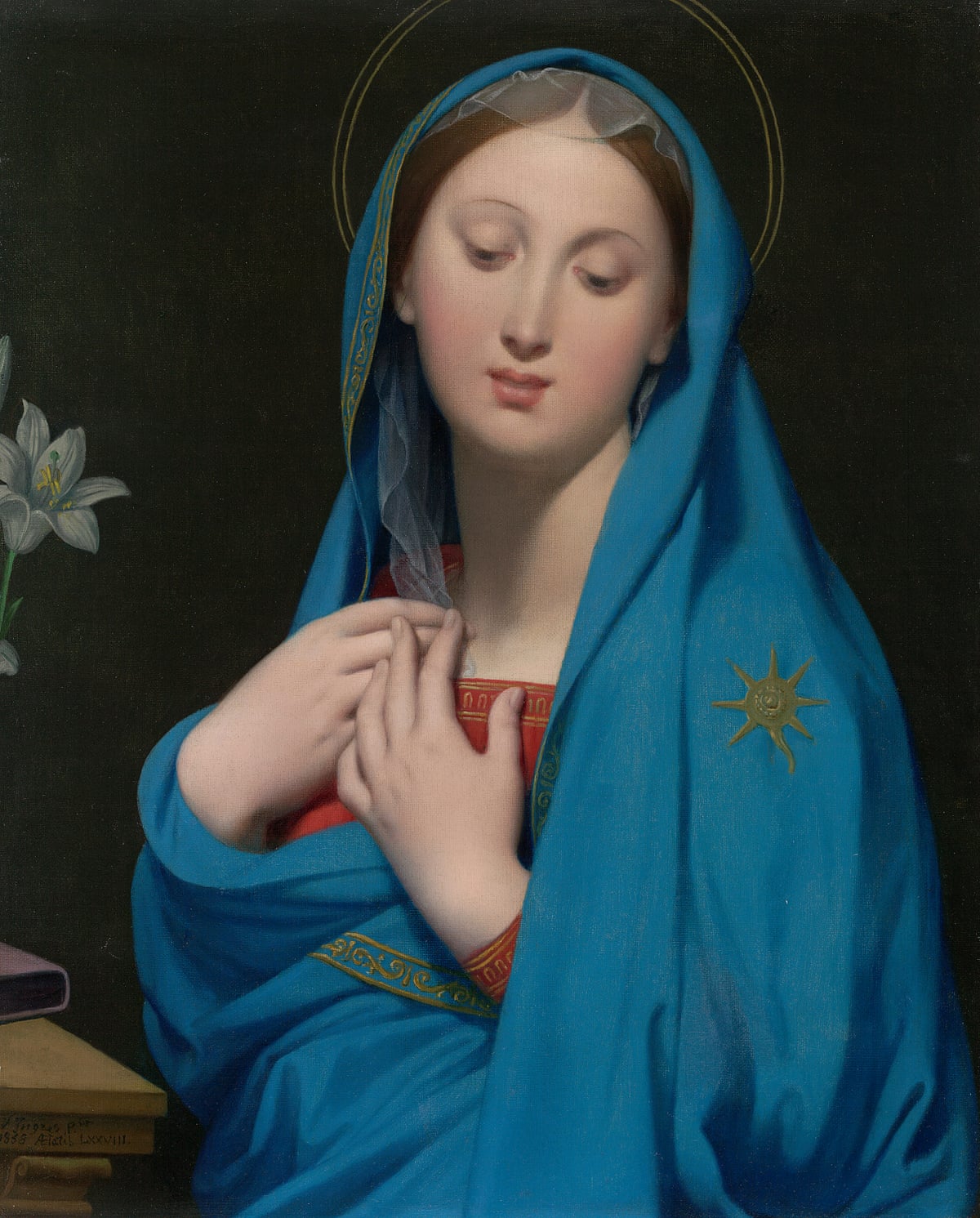
The exhibition opens with the dominant image of motherhood in Western art and culture: the Virgin Mary. Often idealized and regarded as the "first perfect mother," Mary represents an unattainable standard against which many women measure themselves, frequently accompanied by feelings of guilt. Despite her iconic status, little is known about Mary’s lived experience as a mother beyond occasional depictions of her bared breast. This raises a thought-provoking question: how might Western cultural values differ if Mary were perceived less as an icon and more as a thinking, breathing human being?
Gerhard and Prugger highlight this disconnect by juxtaposing the Madonna with three woven birthing skirts by Elizabeth Djutarra, garments traditionally worn to protect mother and child during labor, symbolizing the physical realities of childbirth—blood, sweat, and mess. In contrast, the 15th-century tempera painting Mother and Child with Three Angels by Rosselli is so eroded that the figures are barely visible outlines, faintly shimmering yet evoking a sense of emptiness.

Visibility and Invisibility of Motherhood Labor
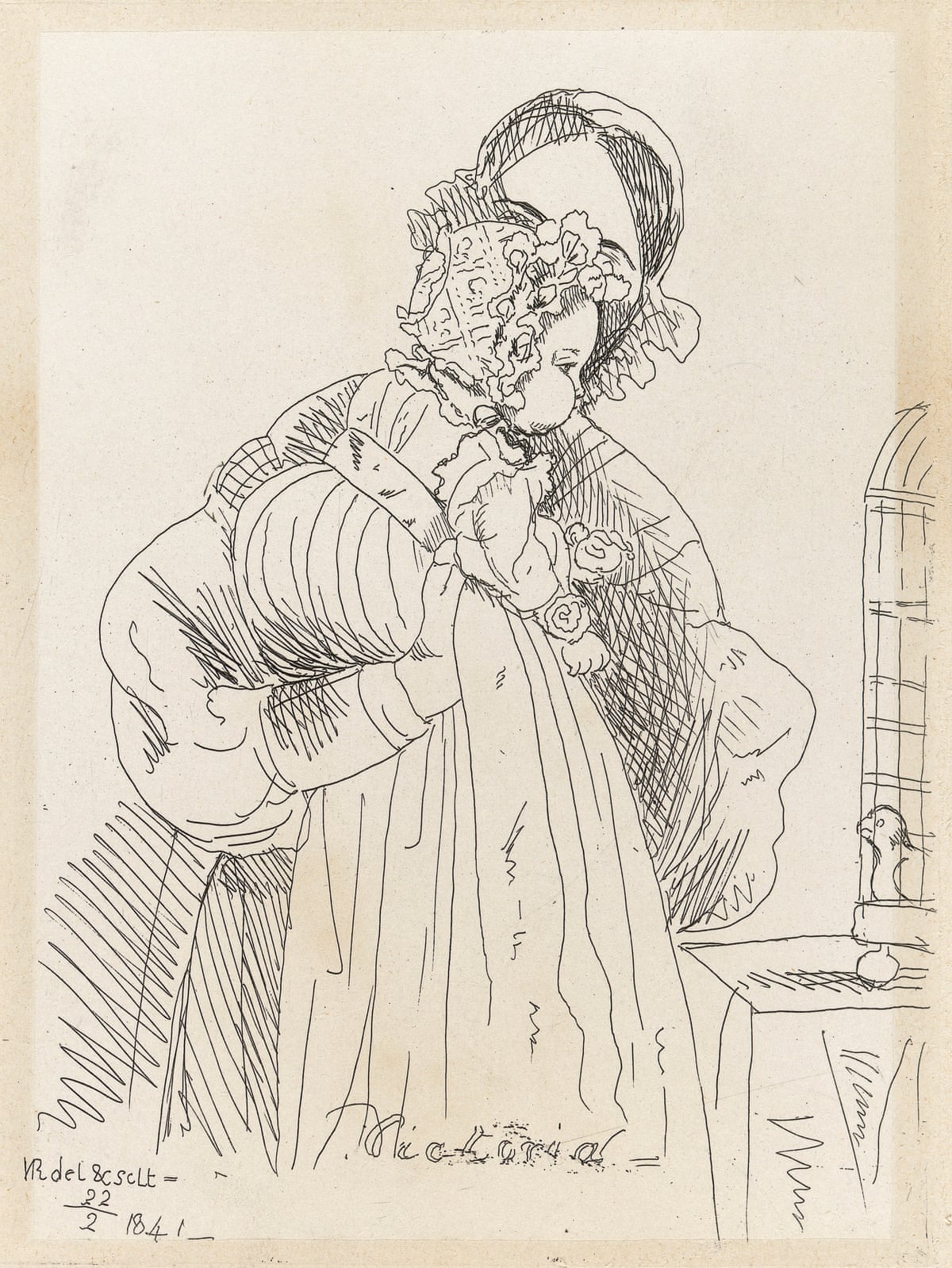
Mother addresses the often overlooked and invisible labor involved in motherhood, whether performed by the mother herself or by paid caregivers. Included in the exhibition is a confident sketch by Queen Victoria of her infant daughter, Princess Victoria, whose plump cheeks obscure the face of the nurse holding her—likely the primary provider of maternal care. A series of 19th-century photographs depicts well-dressed infants propped up for long exposures, with their mothers camouflaged in the background, holding them steady yet remaining unseen.
Labor as a Central Theme Across Cultures
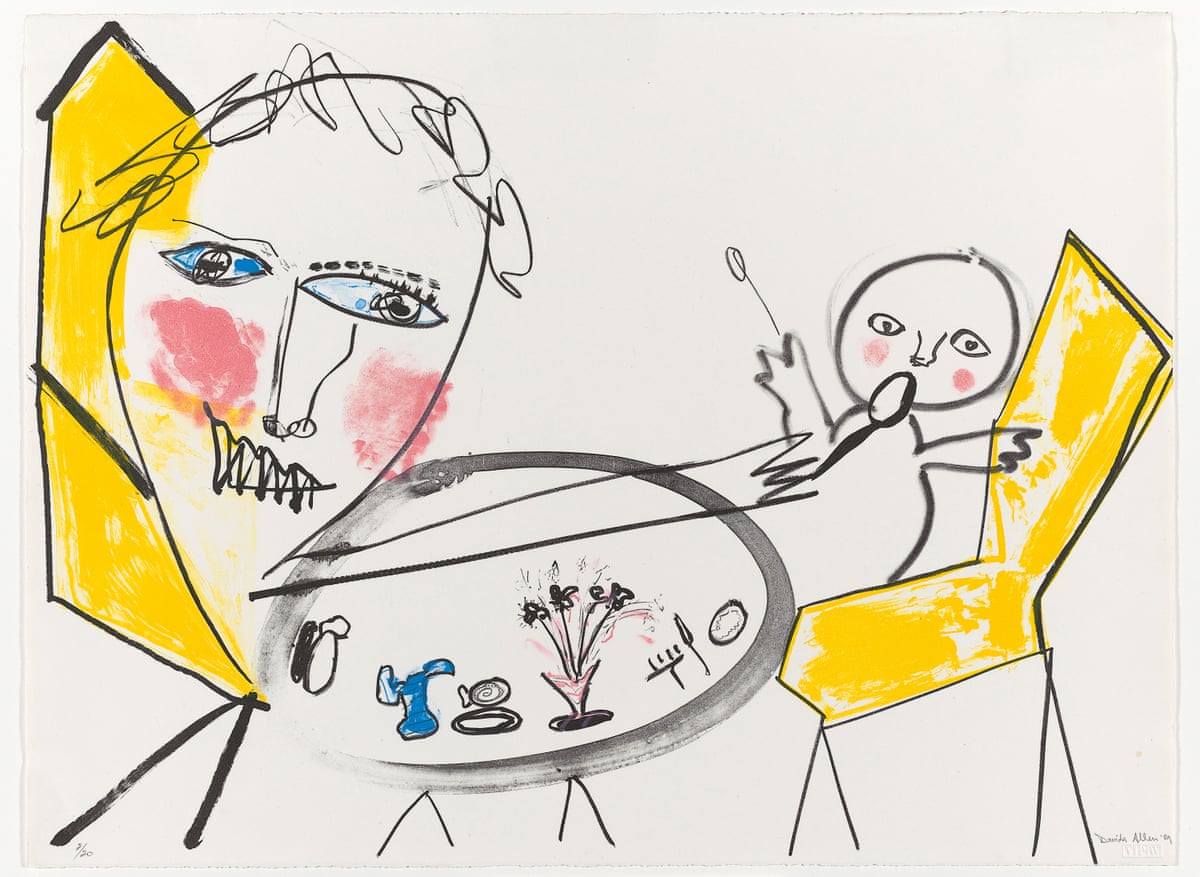
The concept of labor, both physical and emotional, emerges as a unifying thread across cultures and experiences in the exhibition. This theme is explored through diverse works, such as Christine Godden’s 1970s photographic documentation of the stages of a home birth and Davida Allen’s 1989 painting Baby, which ambiguously depicts a mother reaching across a dinner table, leaving viewers uncertain whether she is feeding or restraining her child. The exhibition also poignantly captures maternal rest—mothers sleeping entwined with their children’s limbs—reminding viewers of the rare bliss and surrender that follows exhaustion.
Repetition and Creativity in Motherhood
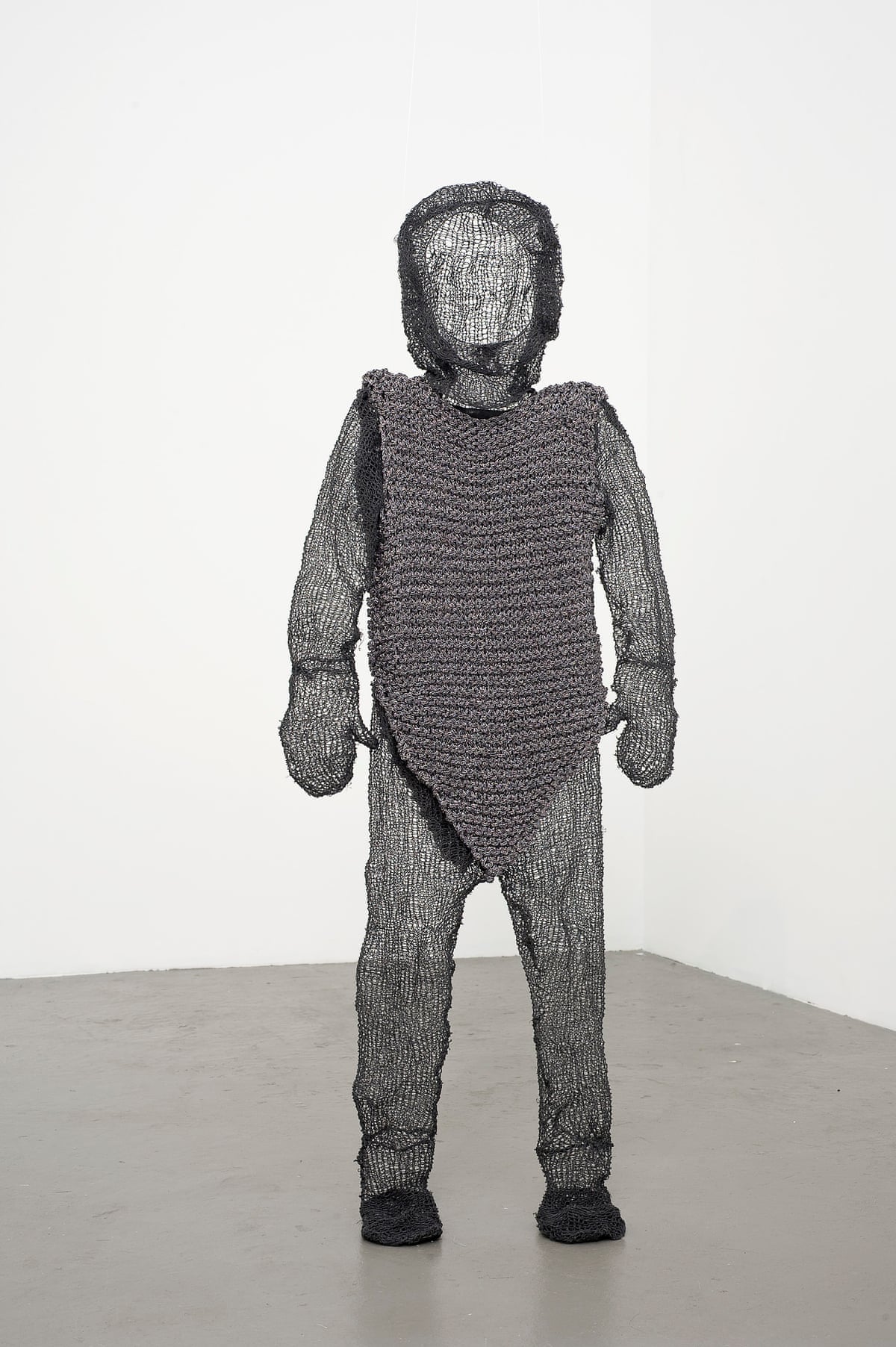
While motherhood often involves repetitive tasks, the exhibition demonstrates that repetition can coexist with creativity. Several works reflect the generational transmission of repetitive techniques and the creative potential within these cycles. Kate Just’s An Armour of Hope (2012), knitted from metal and silk for her adopted two-year-old son, uses repeated stitches to form a declaration of love and protection. First Nations artist Kyra Mancktelow’s One Continuous String (2021) reclaims maternal history by recreating, in traditional textiles, the dress her mother was forced to wear at a mission in Moongalba.
Similarly, Guruwuy Murrinyina’s Dhatam (2023) reimagines her mother Malaluba Gumana’s detailed artistic approach through thousands of small linear gestures. This slow, patient, and painstaking repetition accumulates meaningfully, paralleling the many small stitches that compose both clothing and human beings.
Creating, Giving, and Leaving: The Exhibition’s Three Themes
Gerhard and Prugger have organized Mother into three broad thematic categories: creating, giving, and leaving. The exhibition encompasses a spectrum of experiences, including loss—highlighted in a dedicated room addressing miscarriage and infant loss—joy, exemplified by Patricia Piccinini’s gleaming golden sculpture Nest, which blends cow and calf imagery with mechanical elements, and humor, as seen in Tala Madani’s depiction of a nursing mother squirting breast milk at a leering male figure.
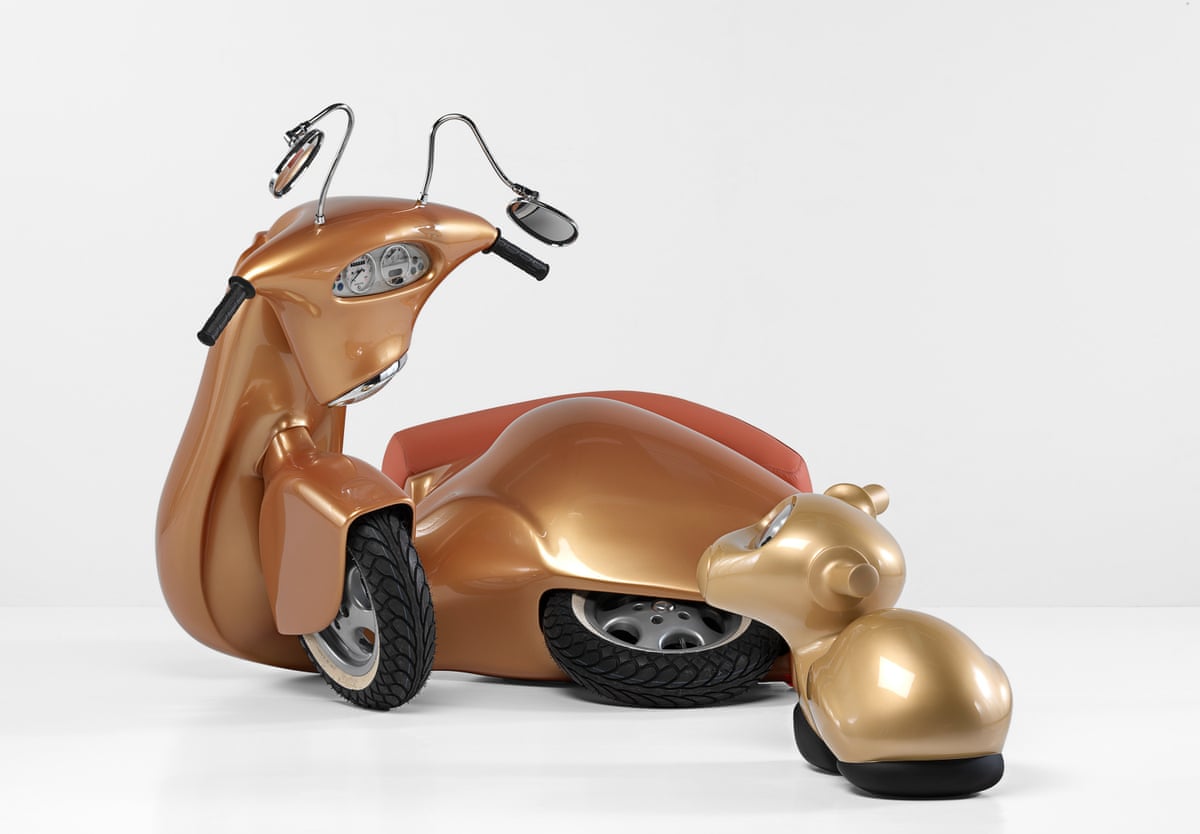
The exhibition also explores maternal subterfuge, such as in Queenie McKenzie’s Blackfellas in Bush Country (1987), which references her mother’s practice of rubbing charcoal on her face as a child to prevent removal by authorities.
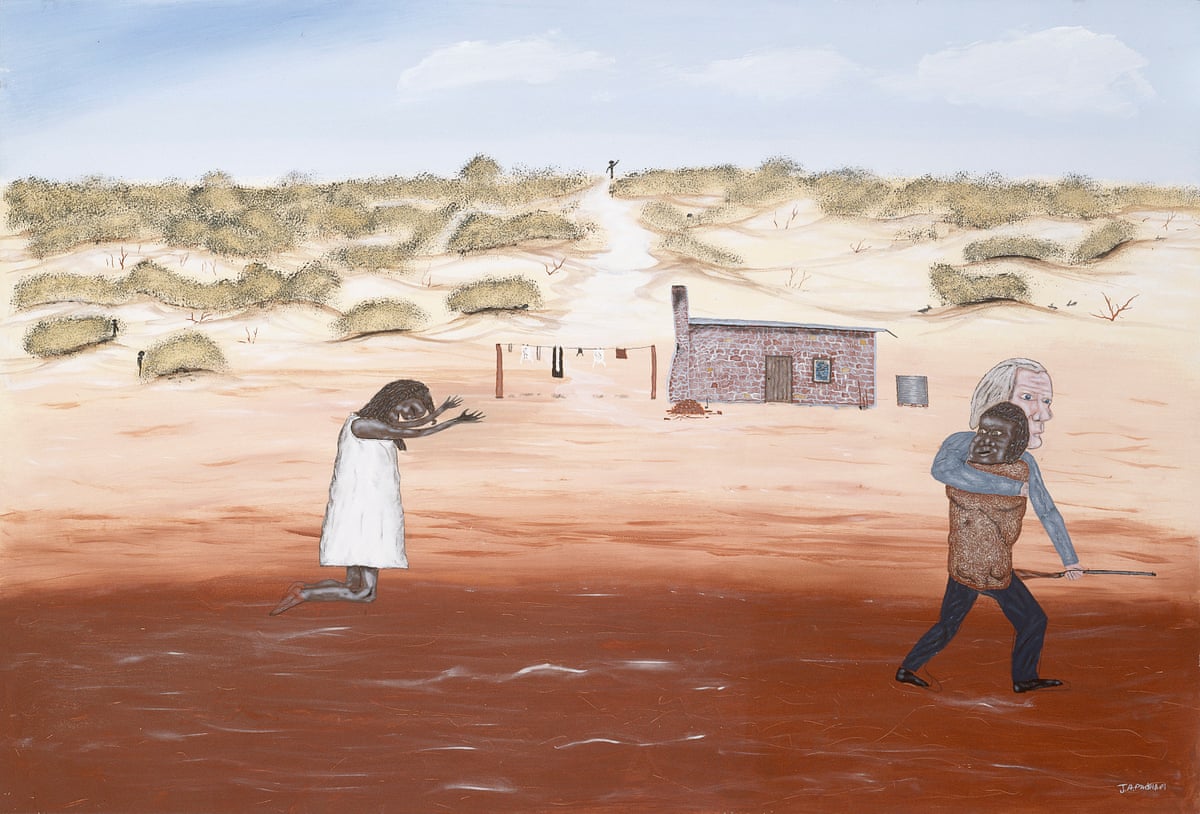
Reflections on Leaving and the Cycle of Motherhood
The final section, "Leaving," evokes themes of loss and hope. When my 18-year-old daughter, now tall and independent, is tired or unwell, she still climbs into my bed as she did in childhood. However, our physical interactions have become less natural and more awkward, reflecting the necessary detachment and evolving interdependence inherent in motherhood. This transition, while bittersweet, is an essential part of the maternal cycle.
In this cycle of depletion and renewal, repetition and accumulation, the act of relinquishment—though never fully complete—emerges as a creative force in itself.


