

Marilyn Monroe: Hollywood Icon Exhibition Opens in Los Angeles
The new exhibition at Los Angeles’ Academy Museum of Motion Pictures showcases some of Marilyn Monroe’s most personal belongings, many of which have never been publicly displayed before.
Within the exhibition, there is a poignant moment where Monroe’s voice, gentle and unassuming, emanates throughout the gallery. This audio is taken from a restored recording of her final interview, published in Life magazine the day before her death.
“With fame, you can read about yourself and somebody else’s ideas about you, but what’s important is how you feel about you, for survival and living day to day with oneself,”
she said in 1962.“I like people, but the public scares me.”
This moment encapsulates Monroe’s complex relationship with fame and the tension between her public persona and private self. While the exhibition includes dramatic costumes and photography, it is the intimate items—letters, notes, and personal effects—that leave the most profound impression.
Centenary Celebrations and Curatorial Collaboration
This exhibition is one of several commemorating Monroe’s centenary in 2026, including a show at London’s Victoria and Albert Museum. Sophia Serrano, curator of the Academy Museum event, notes that curators collaborated to ensure each exhibition offered a unique perspective.
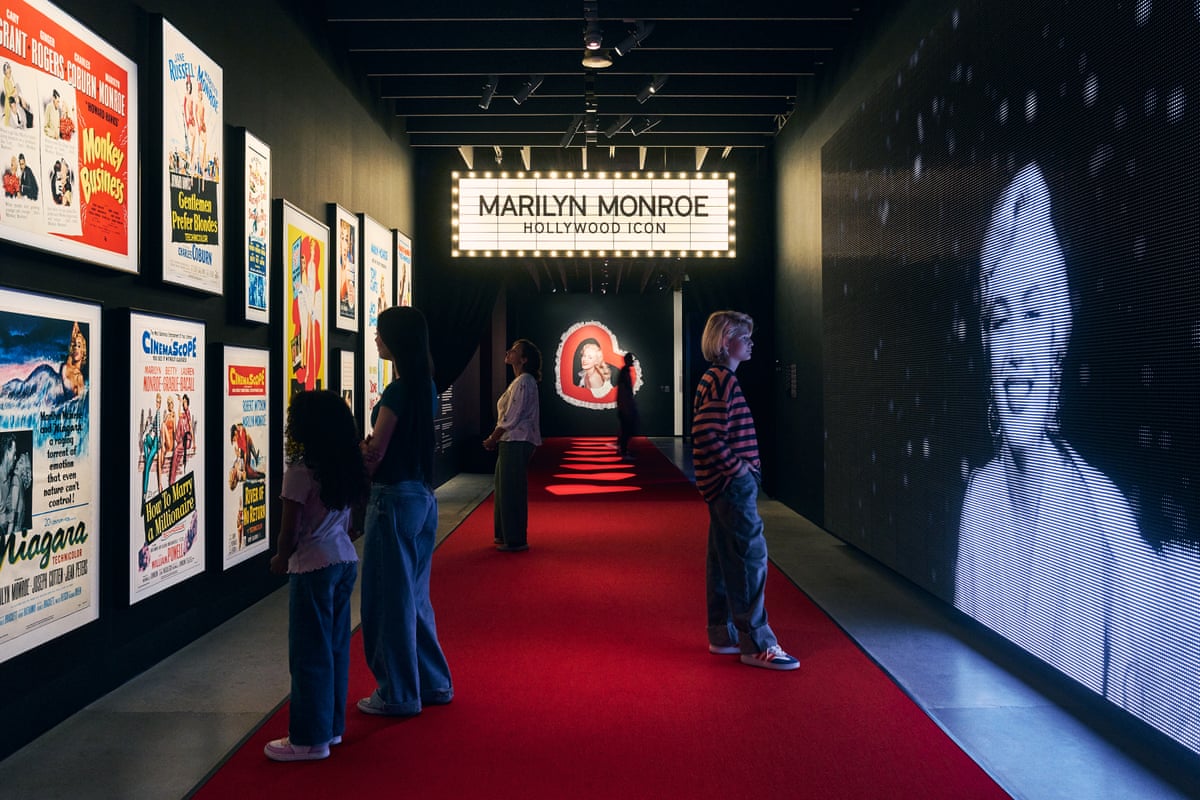
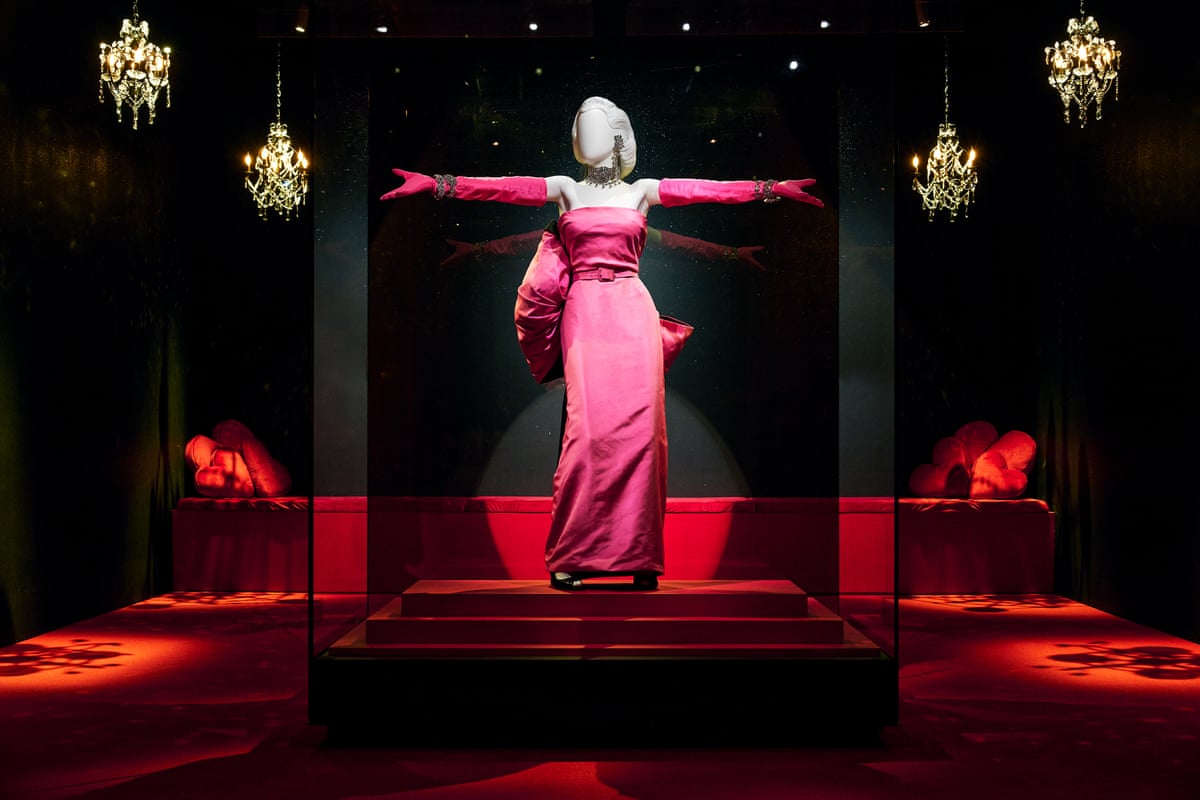
The collection includes outfits, personal belongings, documents, and multimedia recordings, all presented with the museum’s signature polished style. Visitors enter through a hallway featuring a red carpet and a large video screen where Monroe blows kisses to the audience. Her songs play throughout the exhibition, which is decorated in red with chandeliers and heart-shaped pillows—a tribute to her iconic performance of "Diamonds Are a Girl’s Best Friend" and the studios’ branding of her as "America’s sweetheart," according to Serrano.
Iconic Costumes and Unseen Personal Items
The pink dress Monroe wore during the "Diamonds Are a Girl’s Best Friend" scene, rarely exhibited publicly, holds a place of prominence. Other garments, such as a dress from the film Love Happy, along with several letters and photographs, are being shown to the public for the first time.
Among the most memorable costumes is an elaborately sequined outfit with a large feathered tail, worn during a charity event at Madison Square Garden where Monroe arrived riding an elephant and announced her new production company. In contrast, simple pajamas from The Seven-Year Itch are also displayed. The famous white dress famously lifted by a subway grate in that film is not on display, but a replica by the original designer, William Travilla, is included.
On one wall, a pair of Monroe’s jeans is exhibited with a caption highlighting her role in popularizing women’s denim. These jeans are modest compared to the more glamorous costumes but, alongside personal items such as a telephone, chair, marked-up scripts, a wine glass, and an address book, they provide an intimate glimpse into Monroe’s private life.
Personal Writings and Correspondence
Particularly powerful are the letters and notes written by and about Monroe. One display features pages of her free-associative thoughts, including a circled note about an unidentified person:
“I’m afraid to ever say anything about her for fear she will think I am trying to flatter her – thereby trying to trap her into liking me,”
Elsewhere, Monroe writes:
“I’m finding that sincerity is often taken for stupidity.”
In a handwritten letter to director John Huston, Monroe, who had an interest in psychoanalysis, declines a role in a film about Freud, writing:
“I have it on good authority that the Freud family does not approve of anyone making a picture of the life of Freud – so I wouldn’t want to be a part of it.”
The exhibition also includes an exchange of telegrams between director Billy Wilder and Monroe’s then-husband, playwright Arthur Miller. Wilder criticizes Monroe’s behavior on set:
“Her biggest problem is that she doesn’t understand anybody else’s problems.”
Miller responds:
“Your jokes, Billy, are not quite hilarious enough to conceal the fact. You are an unjust man and a cruel one. My only solace is that despite you her beauty and humanity shine through as they always have.”
Public Image and Media Representation
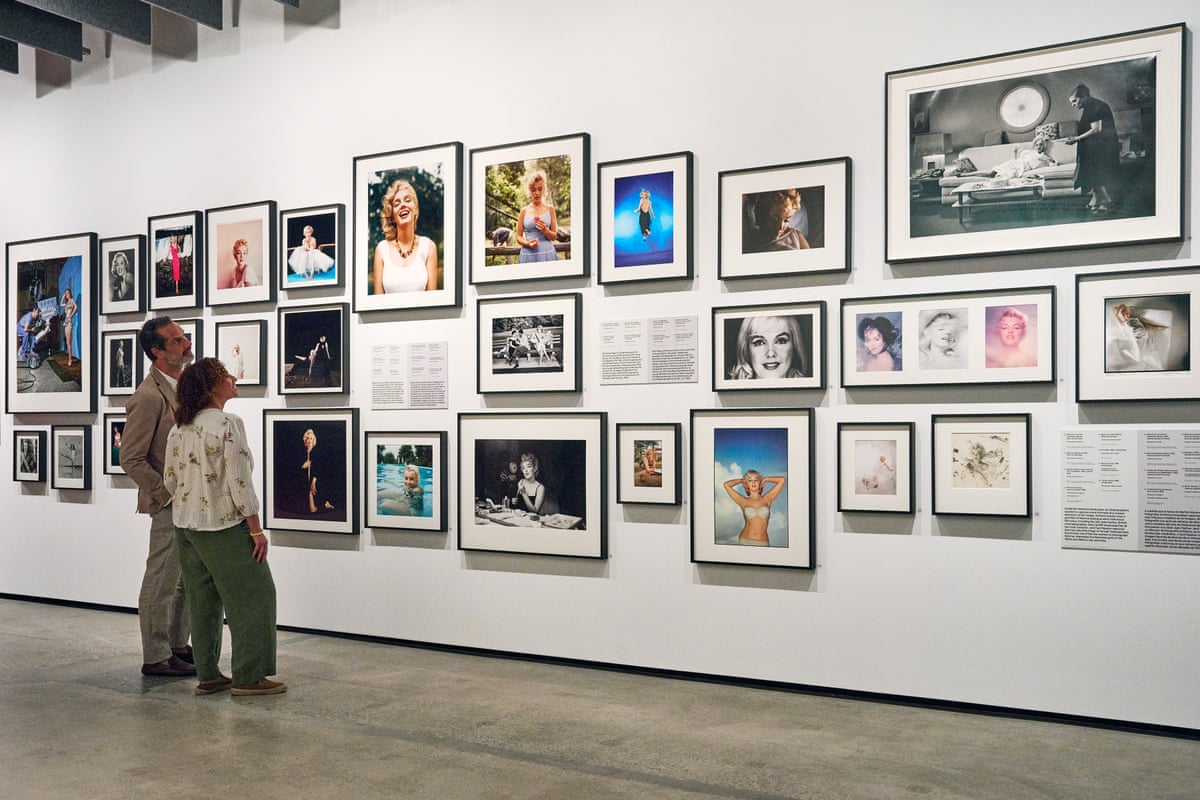
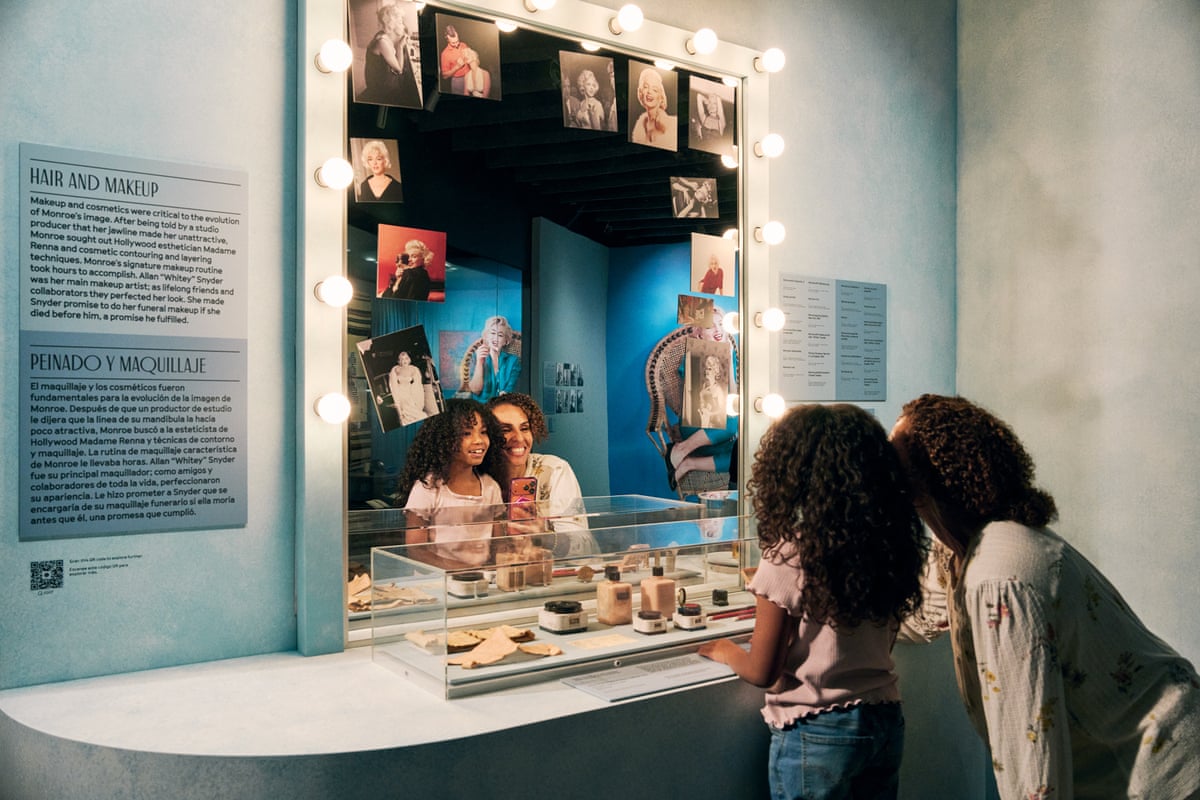
The exhibition demonstrates how concerns about public image deeply affected Monroe. Newspaper clippings she collected of articles about herself are displayed alongside details of her collaborations with favored designers and photographers. One photograph has a large X painted over it after Monroe rejected it as a potential Vogue cover. In another instance, following criticism of her fashion choices, she is shown wearing a potato sack dress.
A reel of television appearances highlights both the sexism she endured and her wit. In one interview, when asked if she weighs the same as at a previous event, she replies she is the same, “but it’s a different suit.” When asked if she is a happy girl now, she responds simply:
“Eh.”
The Duality of Marilyn Monroe
Despite the challenges, Monroe was adept at portraying happiness both on-screen and in life. Photographer Richard Avedon is quoted on an exhibit wall:
“For hours she danced and sang and flirted – she did Marilyn Monroe. And when the night was over ... she sat in the corner like a child, with everything gone.”
In the Life interview, Monroe reflects on her difficult childhood but also on the joy she found in imagination and play:
“Then I heard somebody say, you know: ‘That’s acting.’ And I said: ‘That’s what I want to be!’”
She adds with a dark laugh:
“But then you grow up and you find out, they make playing very difficult for you.”
Exhibition Details
Marilyn Monroe: Hollywood Icon runs from 31 May 2026 to 28 February 2027 at the Academy Museum of Motion Pictures in Los Angeles.


