Demolition of Newry's Former Sean Hollywood Arts Centre
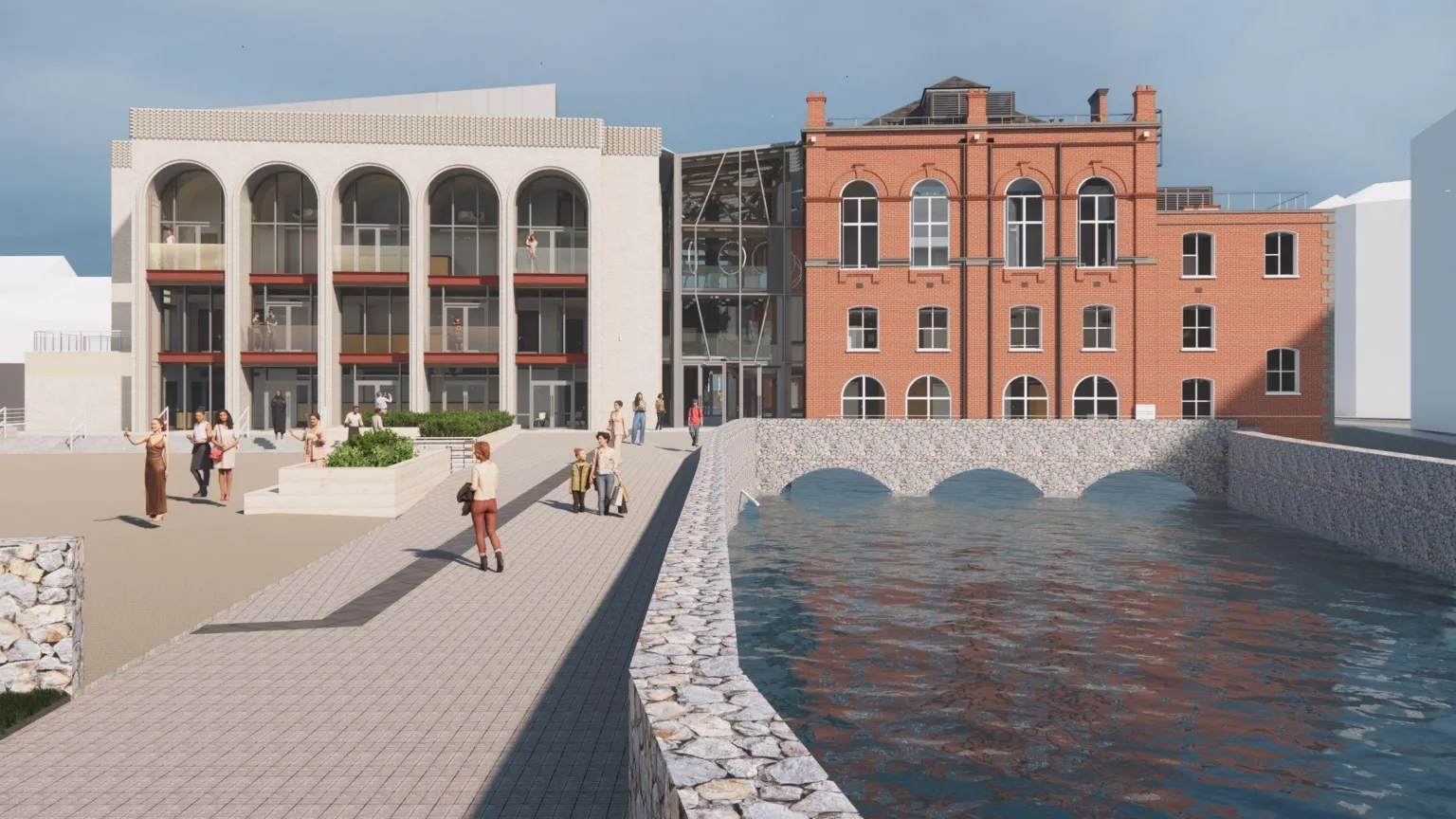
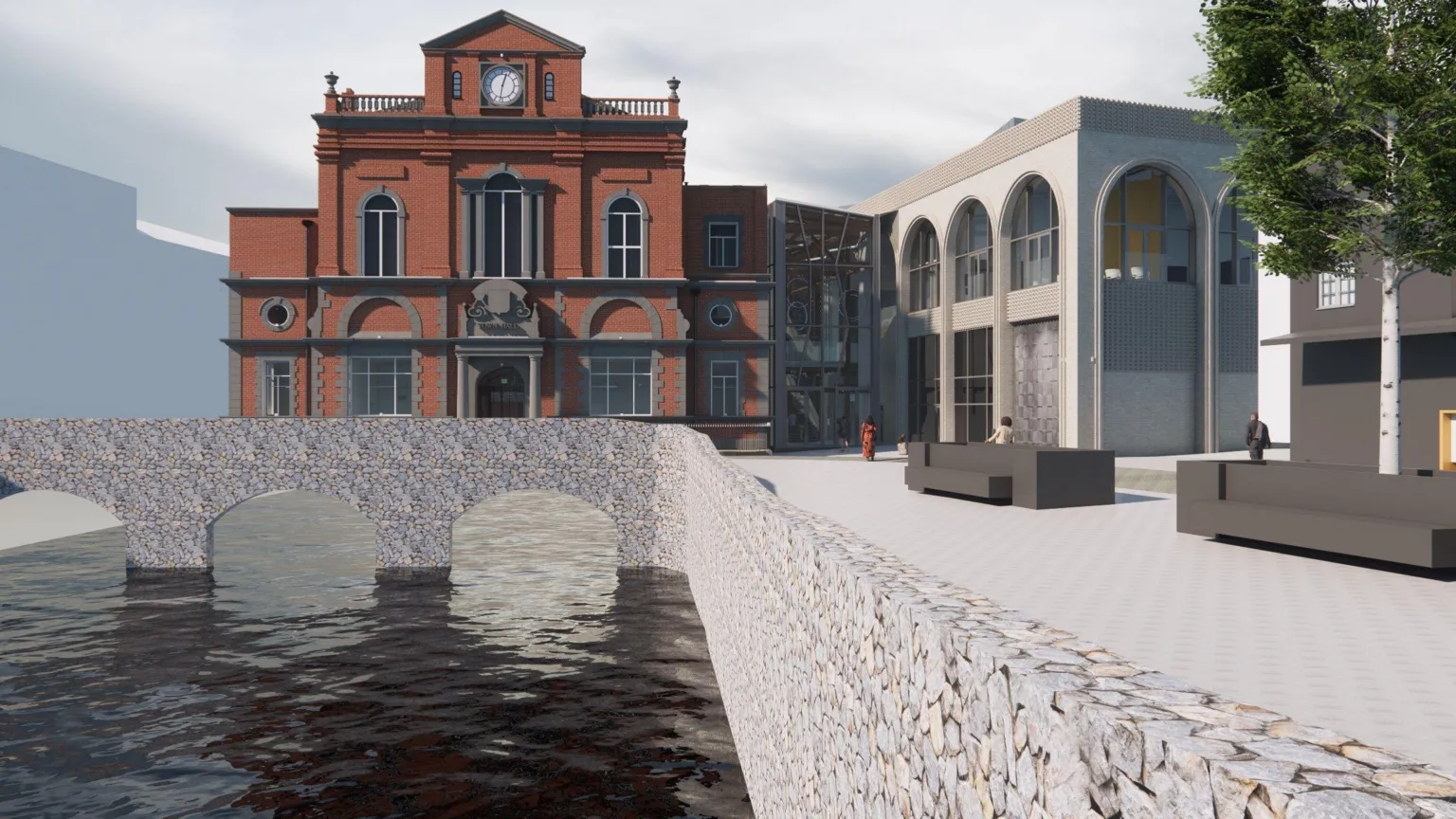
One of Newry's most notable buildings, the former Sean Hollywood Arts Centre, is scheduled for demolition to facilitate a significant redevelopment project in the city centre. The plan involves extending the adjacent Newry Town Hall to create a unified theatre and conference venue.
The last public performance at Newry Town Hall is set for Sunday, after which the building will close temporarily to accommodate the two-year construction period. While the town hall's closure is temporary, the demolition of the arts centre marks the permanent loss of a prominent local landmark.
Questions have arisen regarding the approval to demolish this building. Despite its neoclassical facade and Georgian-style windows suggesting historical origins, the current structure is actually a 1980s reconstruction of the original building that once stood on the site.
The Bank, the Ballroom, and the Bombing
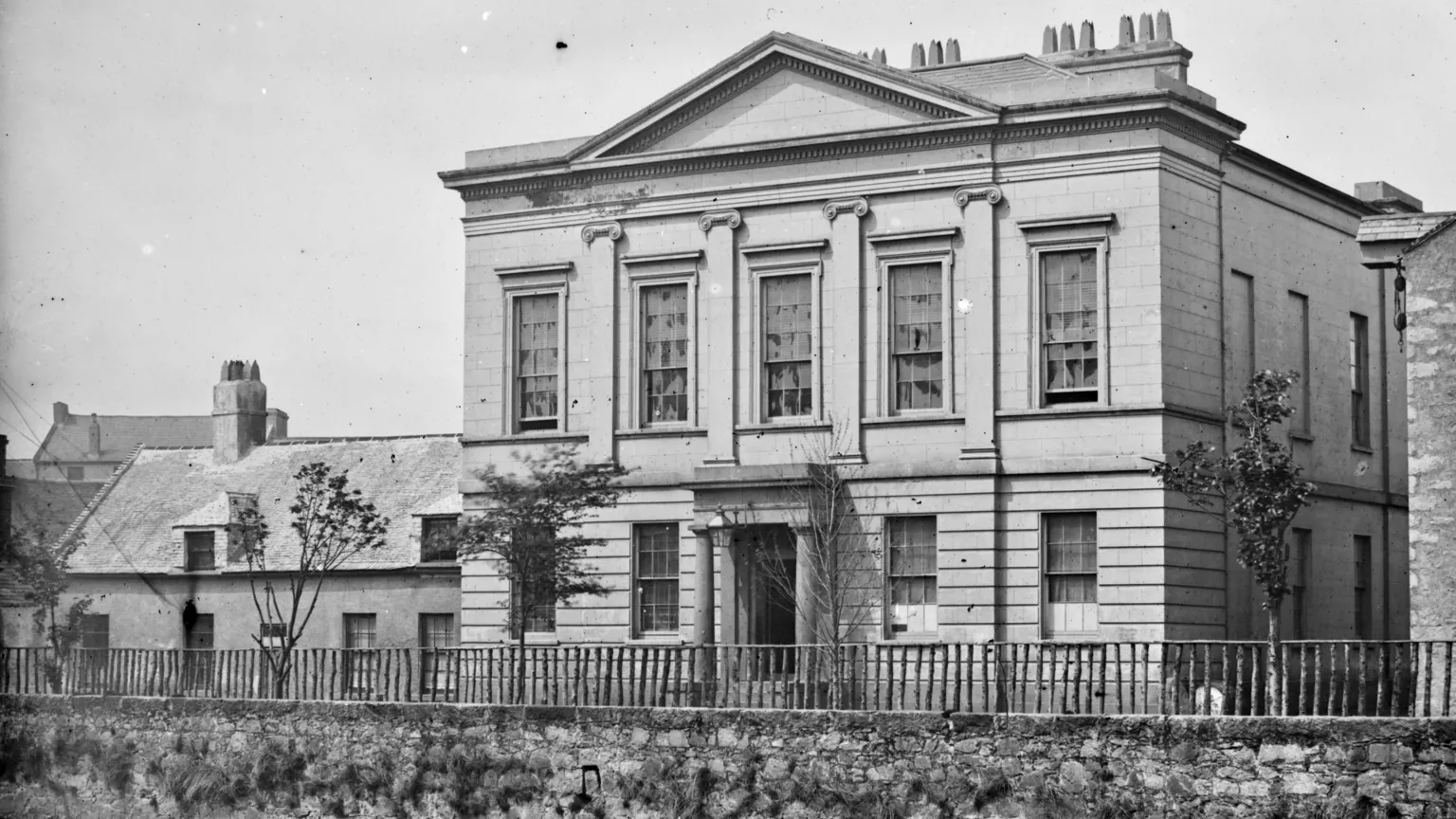
The original building was constructed in the 1830s and stood for over 130 years until it was severely damaged in a bomb attack during the Troubles. Initially known as the Savings Bank, it was once arguably Newry's most important civic site. Its legacy remains evident in the street name, Bank Parade, where it was located.
Although the bank ceased operations in the late 1880s, the building continued to serve the community in various capacities. Its large assembly rooms were utilized as a ballroom, theatrical stage, public library, technical college, tax office, and briefly as Newry's town hall.
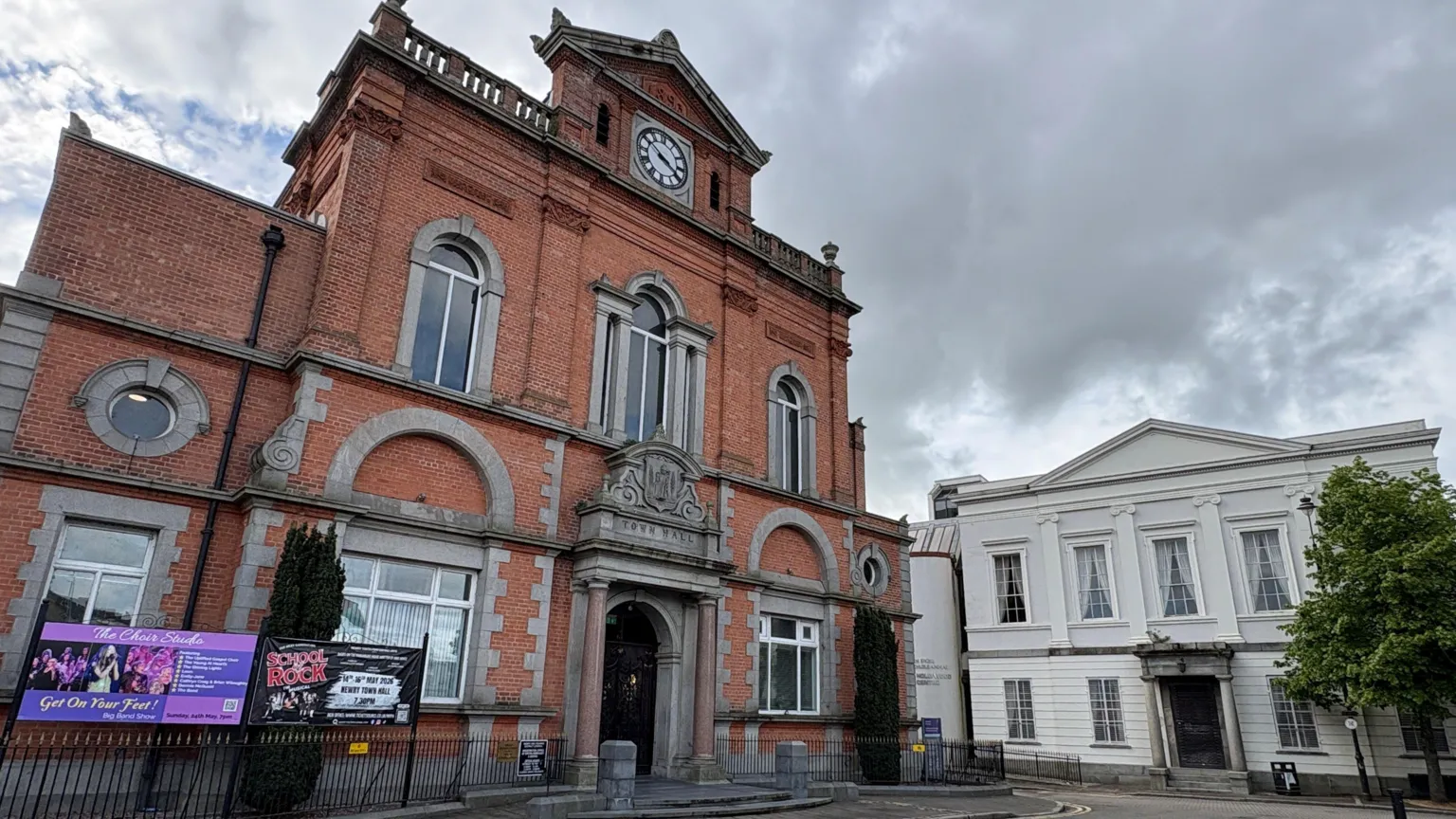
The town commissioners used the building as their headquarters until 1894, when they relocated to a newly constructed, red-bricked town hall. They had initially considered expanding the Savings Bank building but opted for a larger, purpose-built facility to reflect the ambitions of the growing port town.
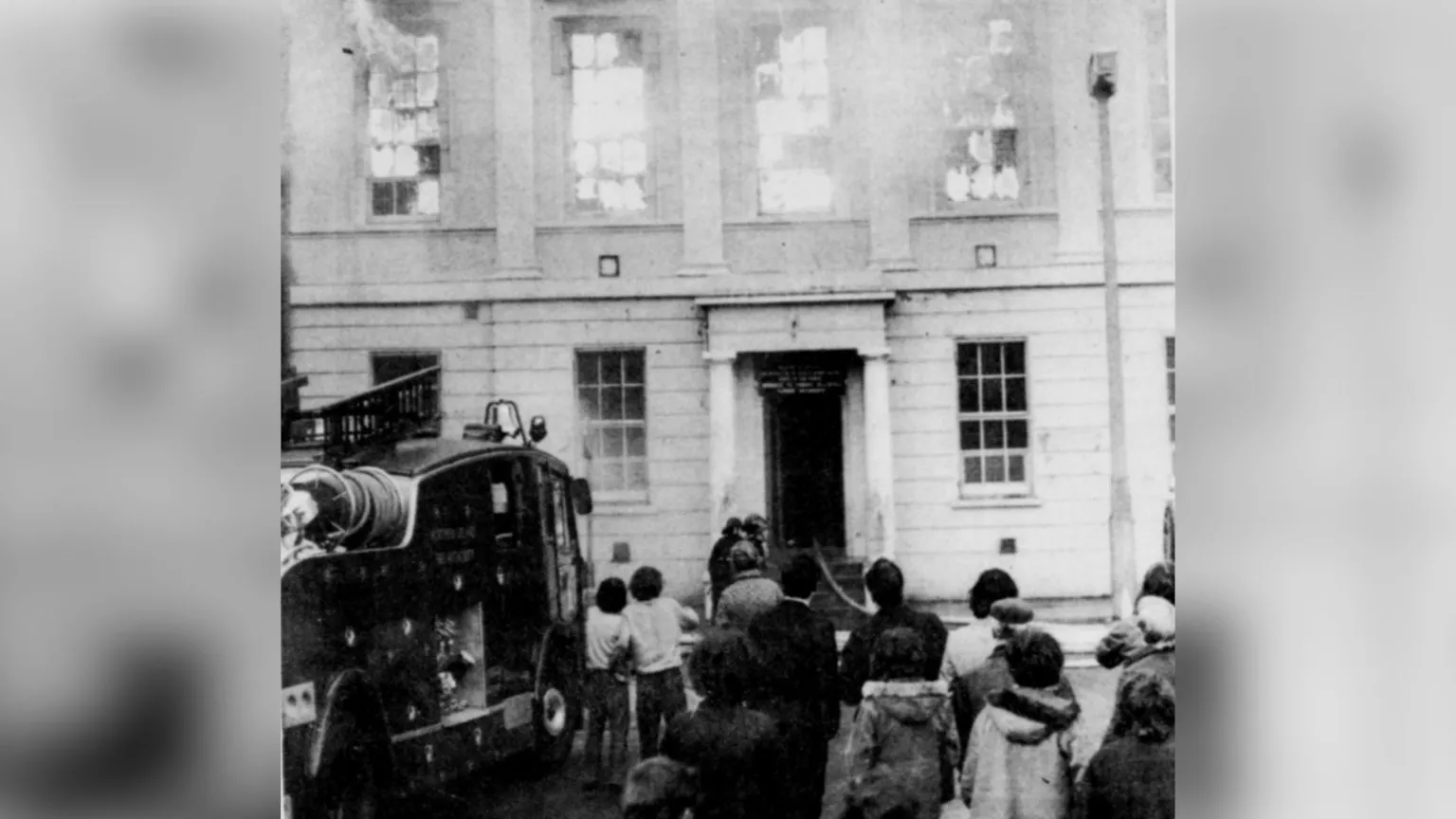
Over the decades, the building assumed many roles. However, its use as a temporary tax office ultimately led to its destruction. In January 1972, during the height of the Troubles, IRA bombers entered the building. According to the Newry Reporter, 43 Inland Revenue staff were given only minutes to evacuate before three bombs detonated, destroying the building and numerous tax records.
Within ten years, the local council rebuilt the damaged shell and added a large modern extension, creating a civic arts centre. The old granite portico, one of the few surviving elements from the bombing, was incorporated into a faithful replica of the original facade. Named after Newry actor and civil rights campaigner Sean Hollywood, the arts centre operated for nearly 40 years and became a landmark in its own right.
Controversy Over Demolition Permission
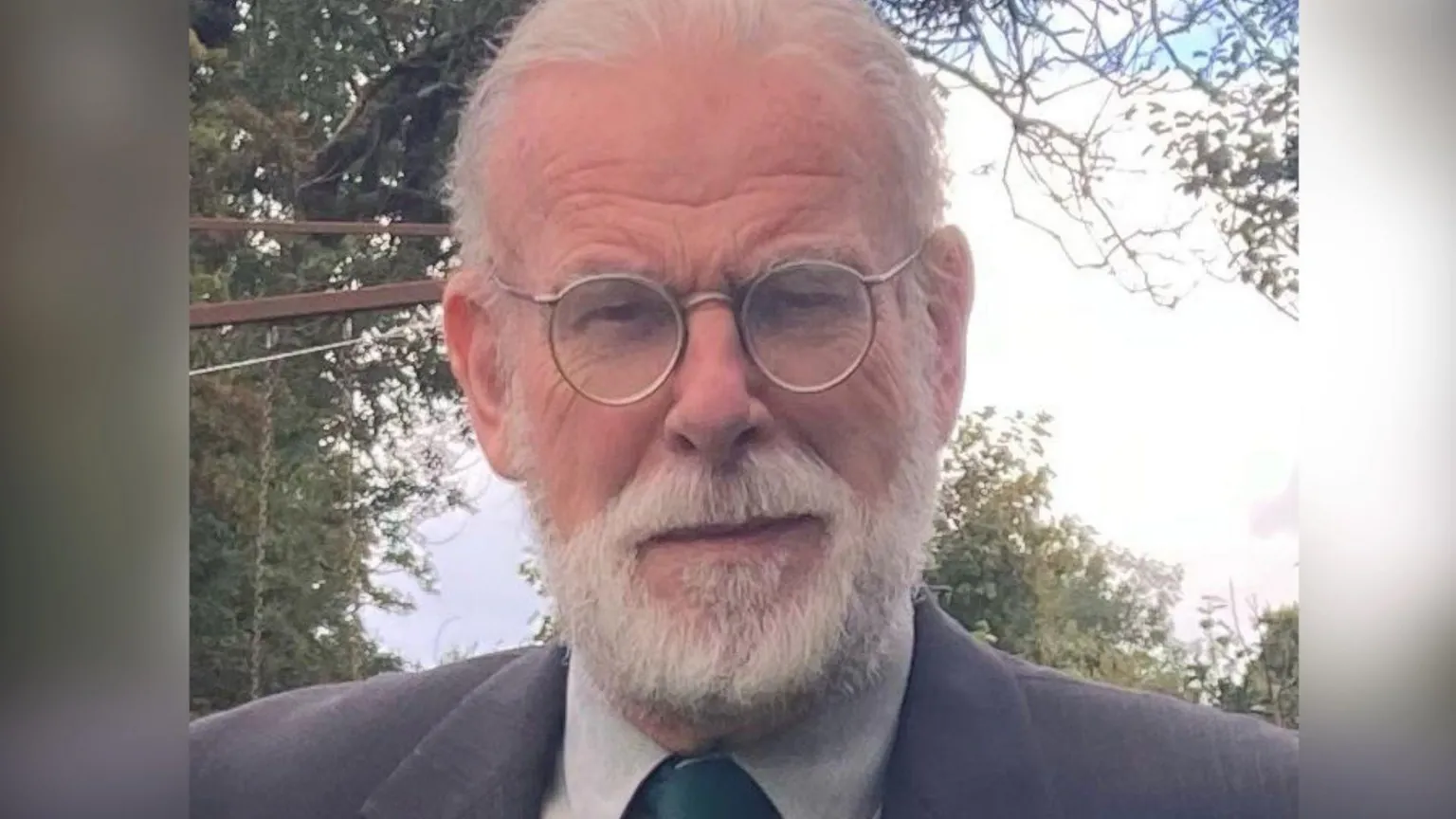
In 2019, Newry, Mourne and Down Council proposed demolishing the arts centre to expand the town hall. While arts groups welcomed the investment, the Ulster Architectural Heritage (UAH) charity opposed the demolition. John Anderson, UAH's policy chairman, described it as another example of the "desecration" of Newry's heritage.
"There was a lot of care taken with that particular building," Anderson said. "It's a faithful recreation of the classical facade of the original Newry Savings Bank. A very good recreation, not regarded as something tacky."
Demolition Approved Despite Objections
Despite opposition, the Department for Infrastructure granted demolition permission in April 2025. This approval also included the demolition of an adjacent red brick house dating from the 1860s.
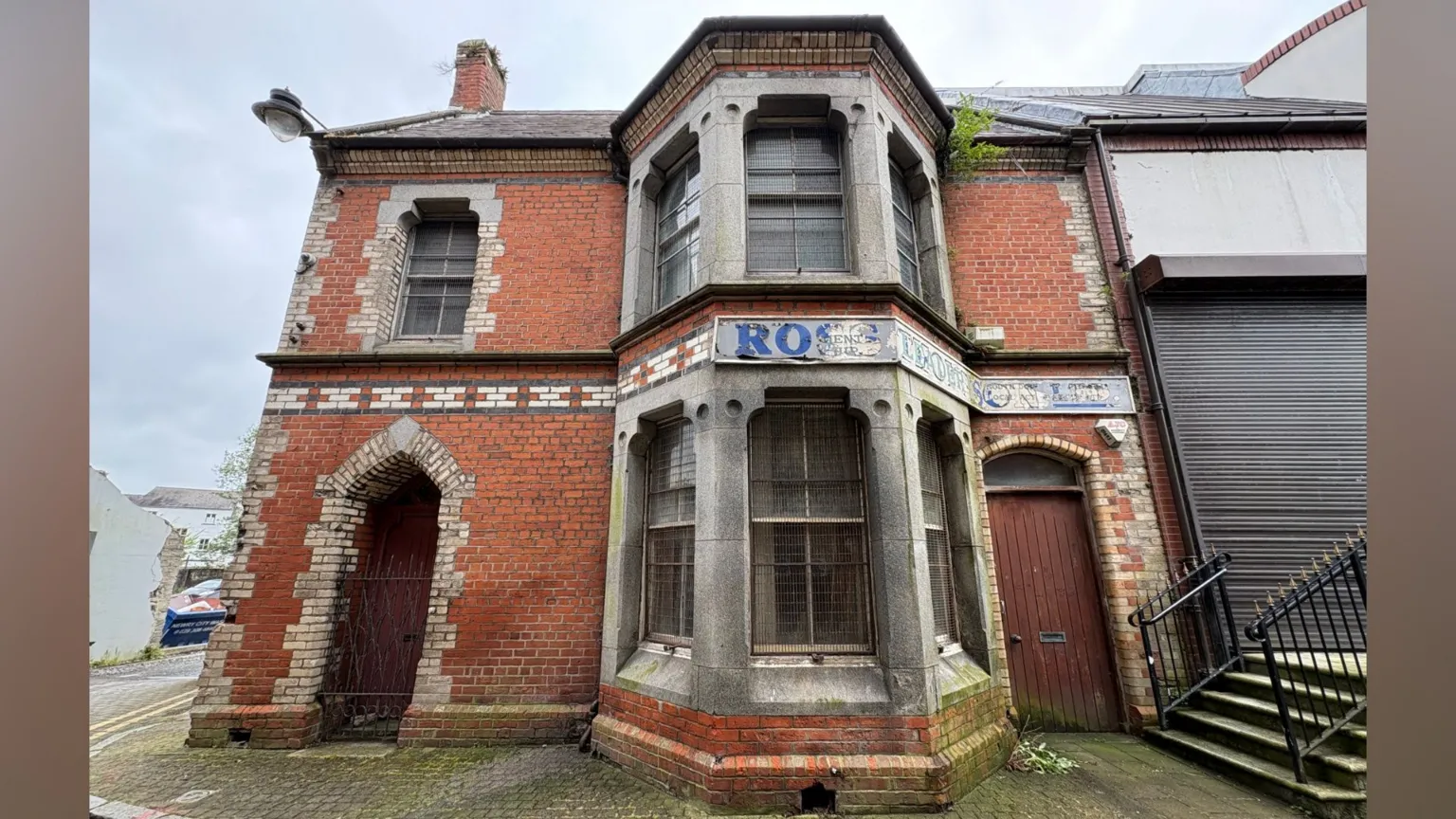
UAH argued that both buildings should have been preserved and integrated into the redevelopment to maintain the area's character. Anderson stated,
"We are not against good architecture, we're also not against sympathetic and appropriate alterations to heritage buildings. Northern Ireland's architectural heritage is a national asset that needs to be protected and it's just being bulldozed."
The council defended the redevelopment, emphasizing that it would "preserve and enhance the visual aspect of the conservation area for the benefit of the wider community." A council spokeswoman added,
"Newry has a proud theatrical legacy, and the approved plans will allow us to support a new generation of young performers in state-of-the-art facilities."
She also noted that neither the arts centre nor the house at No 2 Bank Parade were listed buildings. Their contribution to the conservation area was carefully considered during the planning process, and Stormont's Historical Environment Division (HED) had no objection in principle to the proposals, subject to conditions.
Local Reactions to the Redevelopment
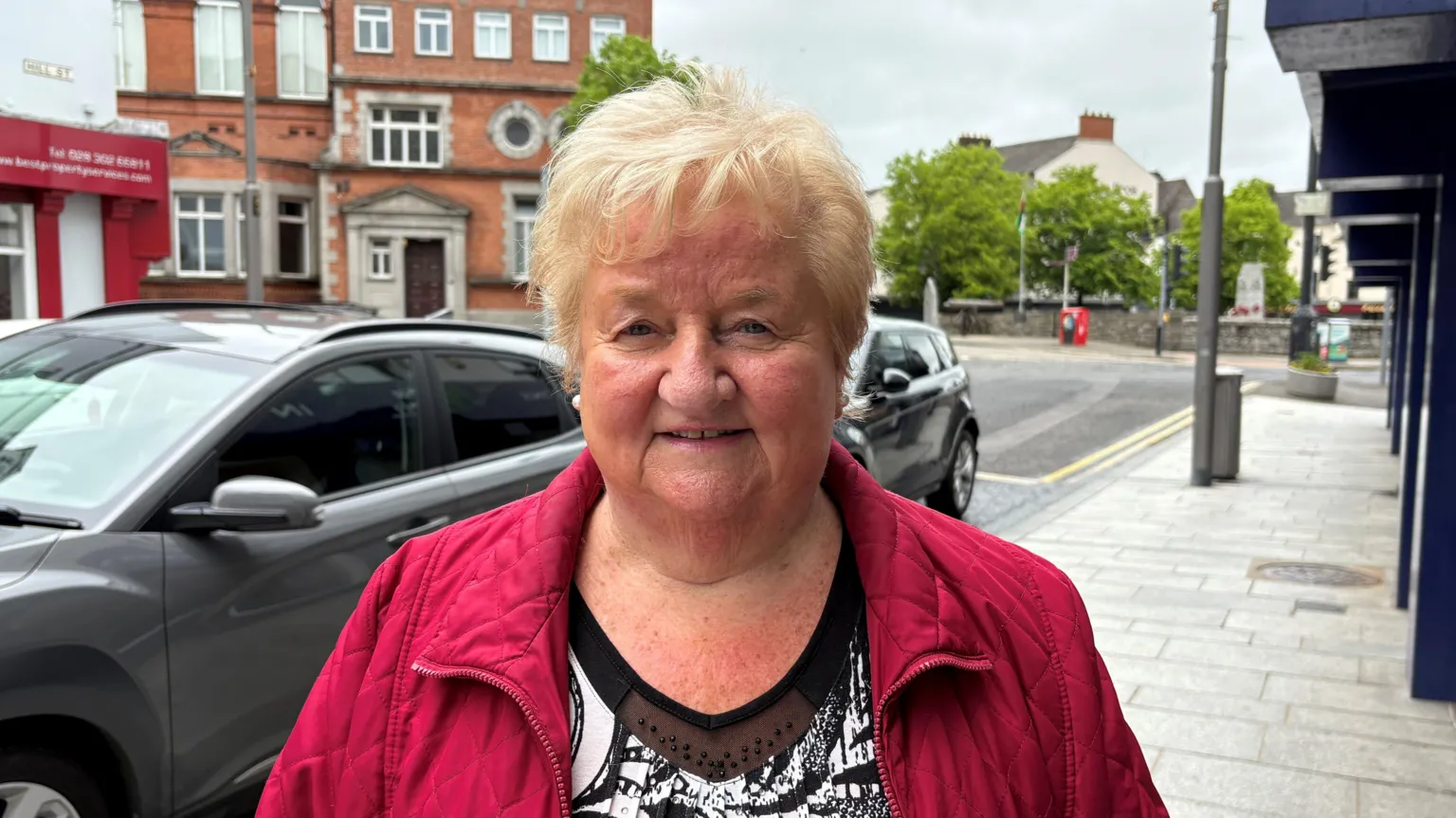
NI spoke with Newry residents about the plans. Marie Byrne expressed optimism, saying,
"It's absolutely beautiful, and it will be a lovely feature for the town."
She recalled attending exhibitions and events at the arts centre over the years and added,
"I thought it was lovely the way it was. But in saying that, everything is good for change. People have to move on."
Patrick Smith commented on the need for improvements in the area surrounding the town hall, stating,
"Newry in general needs a good upgrade. The area around the town hall needs brightened up, that's for sure."
He supported the redevelopment but also would have supported retaining the arts centre if it had been incorporated into the plans, saying,
"It is sad to see a building like that come down... but for growth for Newry it will be a welcome change."
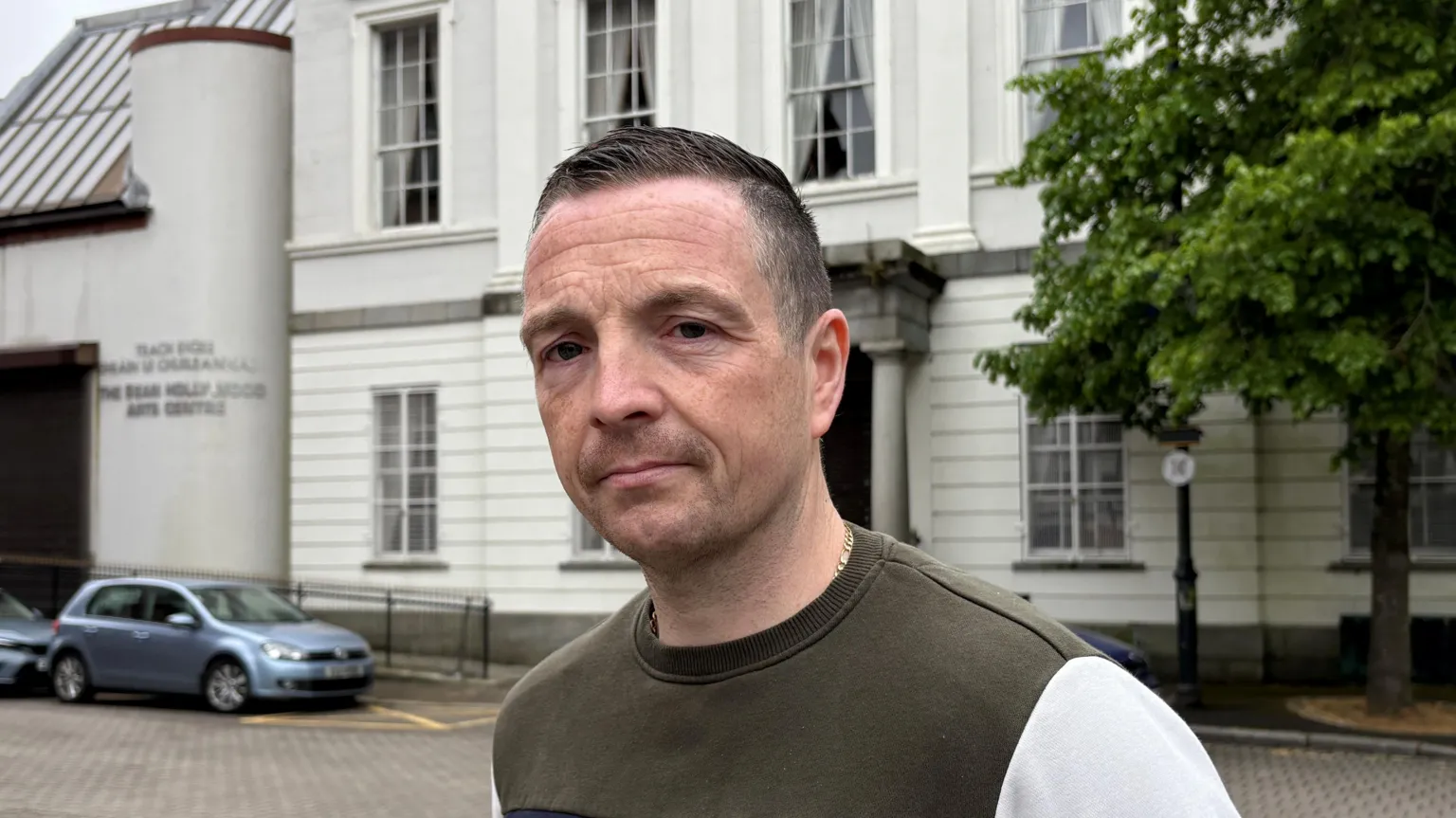
Ray Casey, from Newry's Armagh Road, recalled the original building from his youth when it was part of Newry Technical College. He said,
"It's not being used at the moment, it's a waste so I'm all for the redevelopment."
He also looked forward to the new public walkway planned along the riverbank, stating,
"I'm looking forward to using the new public walkway which will be created along the river bank."
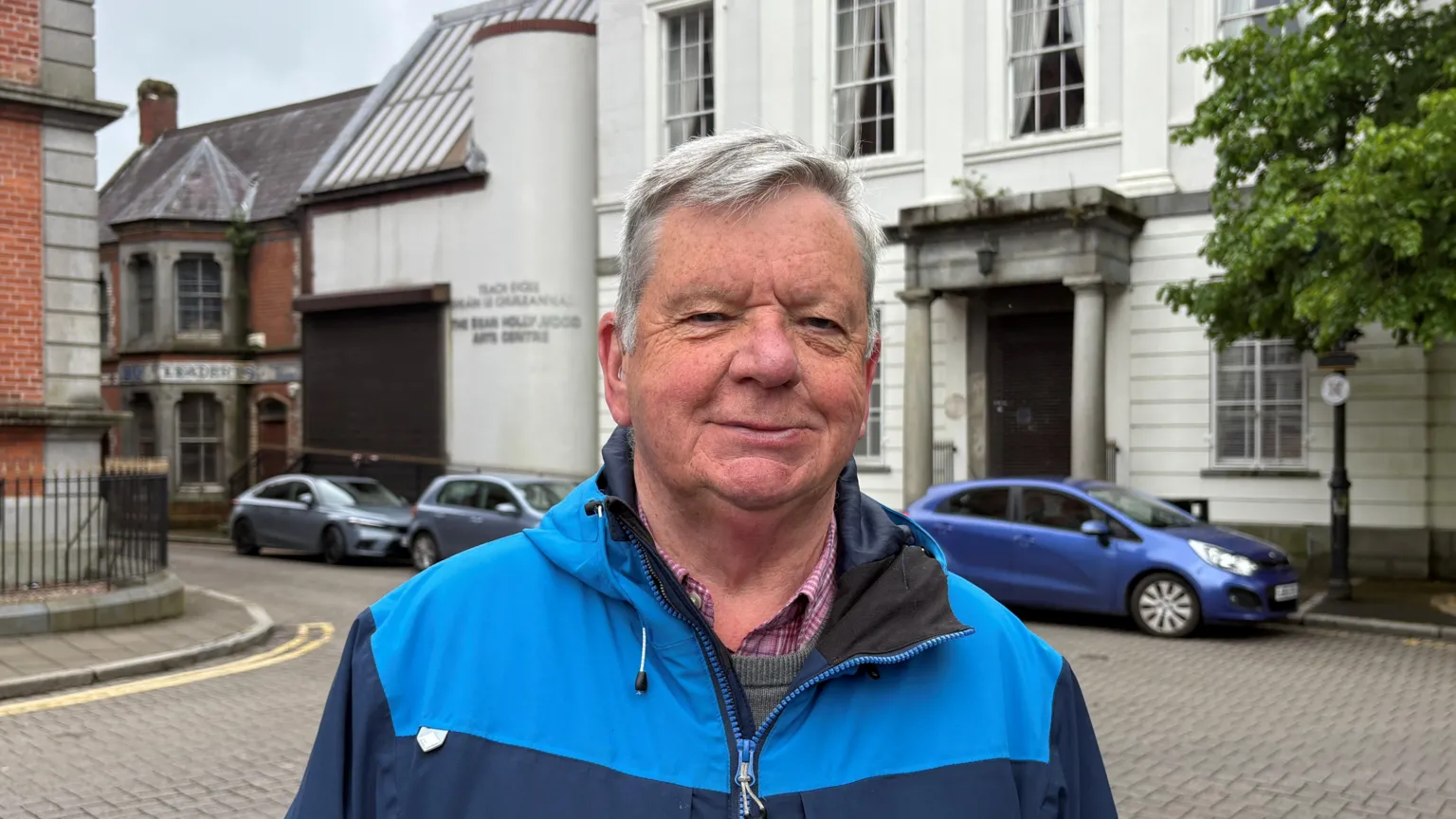
Next Steps
Although no firm demolition date has been announced, the arts centre is scheduled to be handed over to the contractor in June. The redevelopment plans also include transforming the wasteland along the riverbank to create a new public realm scheme.